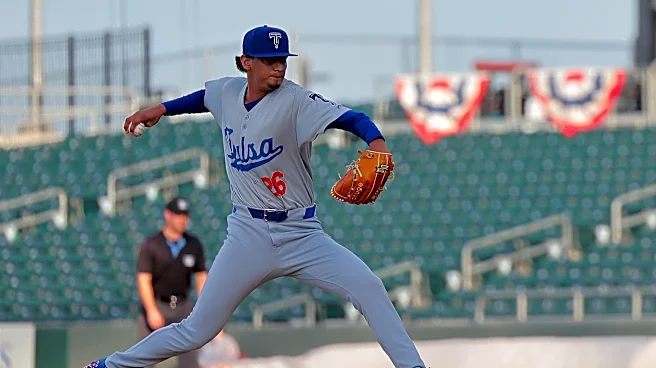

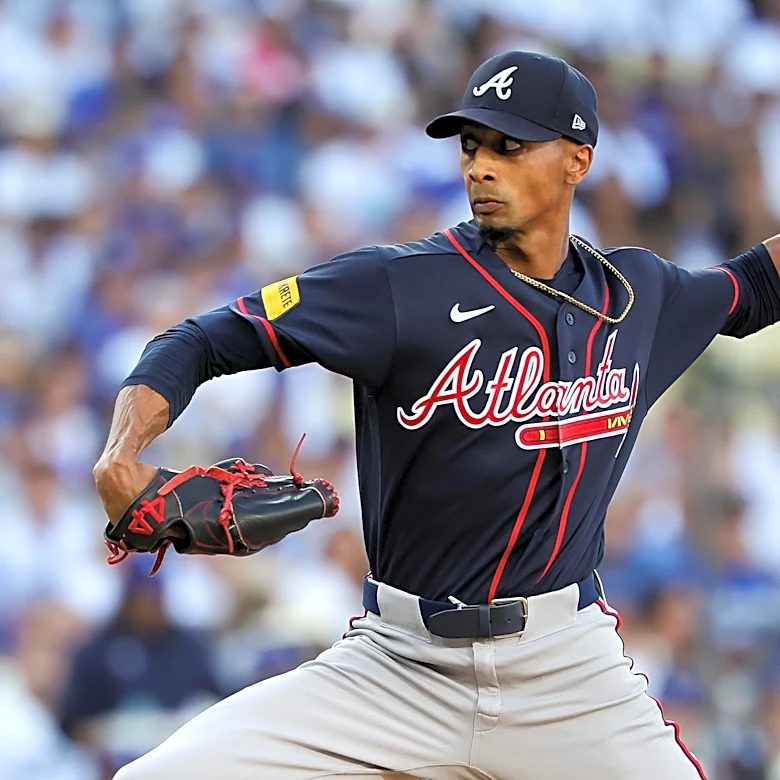

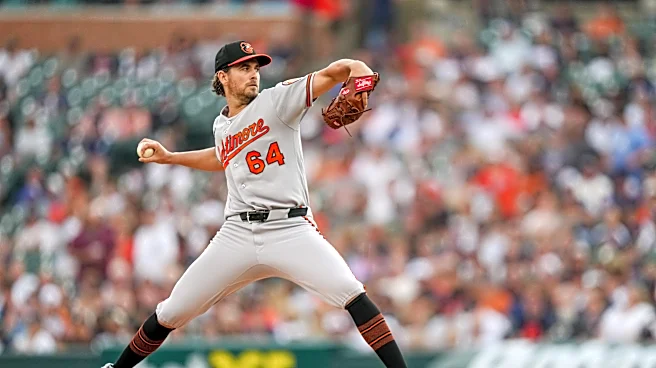
The Orioles selected Caden Hunter with the 184th pick in the 2025 draft. It’s rare that a player can make a jump from the sixth round to MLB Pipeline’s Top 100 prospect list in only a year, but that’s exactly what Caden Hunter did after a dominant first season in professional baseball.
Hunter spent two years at Sierra College before transfering to the USC for his junior season. The lefty pitched well enough to find his way onto draft boards, but he never profiled as a top prospect. This wasn’t a case
of a player falling in the draft due to injuries or signability concerns. The Orioles liked Hunter enough to take a chance in the sixth round, and Hunter signed at the allotted slot value.
It’s unlikely that anyone, including the Orioles, anticipated the breakout season that Hunter delivered this past year. The 22-year-old posted a 1.17 ERA over six games at Delmarva before earning a quick bump to Frederick. Hunter posted a 1.60 ERA over 45 innings at High-A with a 62/19 K/BB ratio. The strong numbers led to another promotion, and the former Trojan kept his foot on the gas.
Hunter tossed seven scoreless innings during his first Double-A appearance on July 29. He was named the Eastern League Pitcher of the week five days later. Hunter went on to post a 3.09 ERA over 35 innings despite a -2.8 age differential with his peers. He finished 2026 with a 2.01 ERA over 103 innings across three levels. He posted a 1.058 WHIP and struck out 151 batters compared to 47 walks.
Teammates Joseph Dzierwa and Anthony Eyanson captured plenty of headlines, but Hunter delivered one of the more consistent seasons in recent memory. Dzierwa bested Hunter for the organization’s minor league pitcher of the year, but the trio represent a three-headed monster at the top of Baltimore’s system.
MLB Pipeline currently ranks Hunter as Baltimore’s fourth highest prospect behind Eric Booth Jr., Eyanson and Dzierwa. A recent update of Pipeline’s Top 100 prospects ranked Hunter as the 92nd best prospect in baseball. Ike Irish (95) and Enddy Azocar (99) rounded out the Top 100.
Hunter did plenty of damage with a fastball that topped out at 98 MPH. Hunter and the Orioles found a way to add a few extra ticks to his heater, and he often used the pitch up in the strike zone. He complimented the fastball with a slider, changeup and curve, but the heater did a large portion of the damage at the lower levels.
The 6-foot-2 lefty could eventually find his way to the bullpen if things don’t work out, but the organization (and MLB Pipeline) believe Hunter has what it takes to make it as a starter. He’ll likely return to Double-A next spring with an opportunity to force his way to Norfolk rather quickly. A 2027 debut as a starter, or in a similar role to fellow lefty Luis De León, cannot be ruled out.
De León, Baltimore’s eighth best prospect, is expected to compete for a rotation spot this spring. With Trevor Rogers future uncertain, the Orioles will lean on righties Kyle Bradish, Shane Baz, and Brandon Young to anchor the rotation moving forward. The Birds will need at least one lefty starter next season, but it helps to have Hunter and Dzierwa lurking in the upper minors.
Hunter will likely face adversity at some point. He’ll be tested whenever he reaches Triple-A, but it’s hard not to be optimistic after his 2026 campaign.
Orioles fans know all too well that pitching prospects do not always reach their full potential. In some ways, it may help that guys like Eyanson and Dizerwa are around to help share the spotlight. Hunter will enter next season with lofty goals, but he won’t face the same pressure to perform as the crown jewel of the Adley Rutschman deal or Mike Elias’ highest drafted pitcher.
Hunter figures to climb in the Top 100 as prospects begin to graduate next season. He shouldn’t be considered a can’t-miss type prospect after only one season, but he represents another valuable chip in Baltimore’s system.