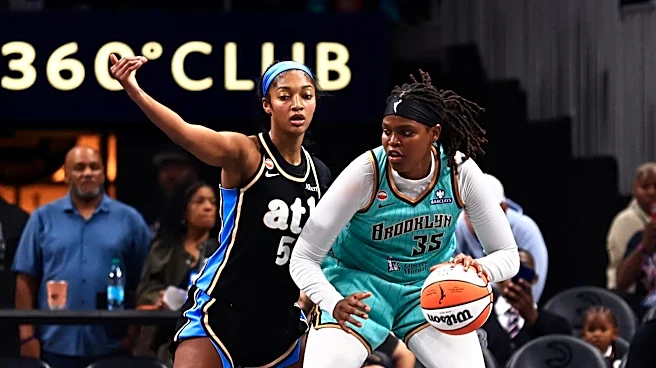



The first round of the 2026 WNBA Playoffs is over, and for the four teams headed home, the offseason starts with a different question.
Each team has reasons for optimism, but each exit exposed weaknesses masked by regular-season success. Here’s a look at what worked, what fell short and the decisions that will shape what comes next.
Dallas Wings

Despite being bounced in the first round against the No. 2-seed Golden State Valkyries, the No. 7-seed Wings completed the biggest single-season turnaround in WNBA history,
which is something to be proud of. Amidst all the injuries and inconsistent play from some of their key pieces, Dallas posted the sixth-best net rating in the league and a top-five offense.
However, when it comes to the direction for this team, it gets tricky.
Awak Kuier was clearly the team’s most impactful defender and she is up for a massive payday this offseason. The Wings can afford to re-sign her, but it will cost them, and with a little over three million dollars available to fill six empty roster spots, some tough decisions might have to be made elsewhere if they do decide to keep her.
What’s clear is that Dallas needs to place an emphasis on defense and wing depth.
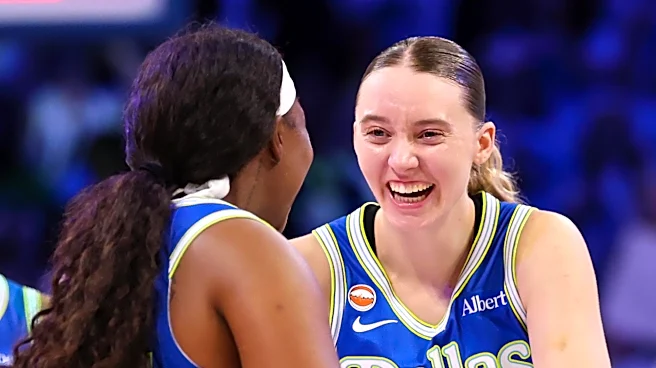
This year, they ran a lot of three-guard lineups with Paige Bueckers, Arike Ogunbowale and Azzi Fudd, which was a great fit for their offense, but sacrificed a lot of size and containment on defense. Alysha Clark was the only true wing on the roster, but she’s 39 years old, so it would be wise to look for options elsewhere.
The lack of rim protection without Awak on the floor might also bring into question Jessica Shepard’s long-term fit with the team. She’s a great offensive fit next to Paige, and her defensive rebounding really helped save the smaller lineups from getting destroyed on the glass, but she got hunted routinely down the stretch of clutch games this year. A center that can’t protect the rim really puts you in a bind when trying to build a good defense. Plus, Shepard’s offensive limitations were evident against a strong defense in Golden State.
Dallas will have plenty of options available in free agency given their cap flexibility and a middle first-round draft pick in a potentially deep draft. Of course, the development of Paige and Azzi will also go a long way in ensuring this team is headed in the right direction.
Indiana Fever

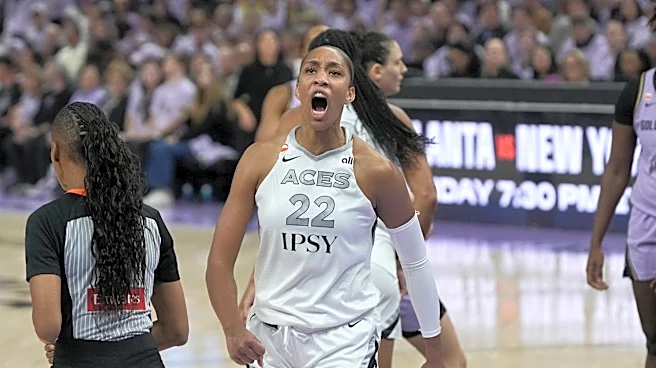
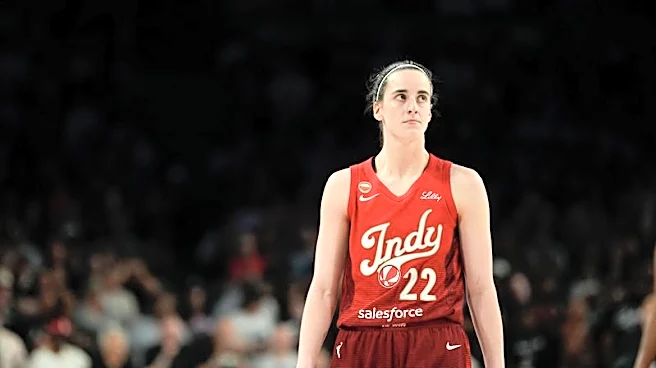
The Fever ended this regular season with the best offensive rating in league history and all-time production from their backcourt of Caitlin Clark and Kelsey Mitchell. However, after a first round exit at the hand of the No. 3-seed Las Vegas Aces, it feels like this iteration of the Fever is at a standstill.
This is the third-straight year the team has finished as the No. 6 seed, and while I do think the team has gotten better since 2024, the improvement has only been marginal while other teams continue to make bigger strides.
The defense for Indiana was atrocious this year, as the team struggled to get stops for a large part of the year. While there isn’t one particular culprit for this Fever defense being so bad, the entire team, with the exception of Aliyah Boston and Makayla Timpson, deserves some blame for this.
The biggest question moving forward is how does this team improve in the margins?
The Fever ranked eighth in offensive turnover percentage and 11th in defensive turnover percentage, not to mention they were only an average rebounding team. Essentially the Fever had no other ways to win ballgames unless they were scoring at an insanely efficient rate, which is a risky and unsustainable way to build a team that leads to absurd volatility.
Their first tough decision will be handling Kelsey Mitchell’s free agency and re-signing Caitlin Clark to the EPIC extension she’ll be eligible for. There’s no guarantee Mitchell returns, so they’ll need to be prepared for all scenarios that both include and don’t include her in the long term plans.
After that, the Fever will need to prioritize wing defenders and guard defenders and another frontcourt player that can guard and finish at the rim. It may come at the expense of 3-point shooting, but the sacrifice might be worth it if the goal is to build a more complete roster.
Minnesota Lynx

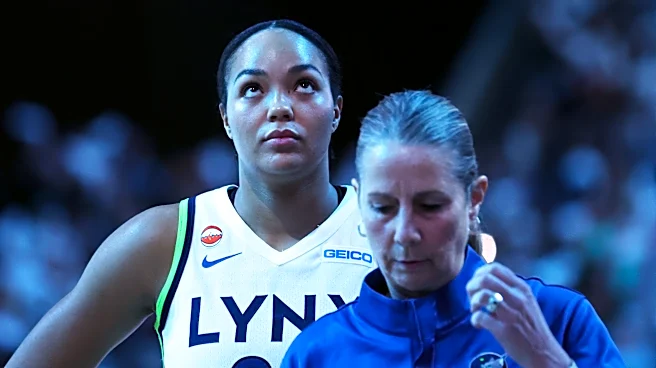
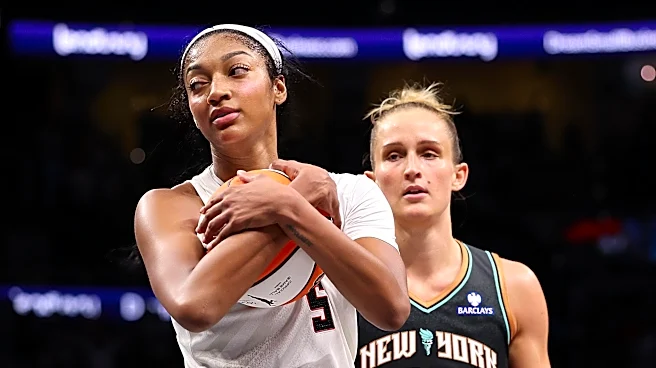
During her postgame press conference after lost Game 2 to the No. 8-seed New York Liberty, head coach Cheryl Reeve admitted that difficult decisions will have to be made this offseason surrounding the roster.
For now the third year in a row, the Minnesota Lynx have been eliminated from the playoffs in devastating fashion. It’s also two years in a row they’ve failed to reach the WNBA Finals as the top seed.
It feels like the same issues have plagued this team each year: The spread pick-and-roll offense falters against tall, physical frontcourts with a scheme that can make Minnesota’s life tough on offense and has size to punish the Lynx on defense.
There’s two ways the Lynx can approach this offseason. They certainly overachieved thanks to the stardom of Olivia Miles, who showed she can lead this team to competitive heights, even without Napheesa Collier. The rejuvenation of Natasha Howard was also massive, as were the steady contributions from Nia Brodie and Kayla McBride during the regular season.
Perhaps Minnesota needs to lean on building a team that can handle physicality better.
The Lynx are a small roster in terms of height and size. In many ways, they are a finesse team that relies on quickness and versatile shotmaking to put defenses in a constant predicament when deciding who to guard. But, unfortunately, the team has gone up against some extremely physical frontcourts that have successfully challenged that approach over the years.
Collier is set to be a free agent and there’s a lot of speculation as to where she’ll end up. Courtney Williams, McBride and Howard are headed into the last year of their deals next year.
Does Minnesota continue to try for a championship with this core or do they pivot in another direction? You certainly don’t want to waste Miles’ rookie contract on a rebuild given how well she’s playing, but if there’s anything we can conclude from Reeve’s latest presser, it is that changes are to come.
Washington Mystics

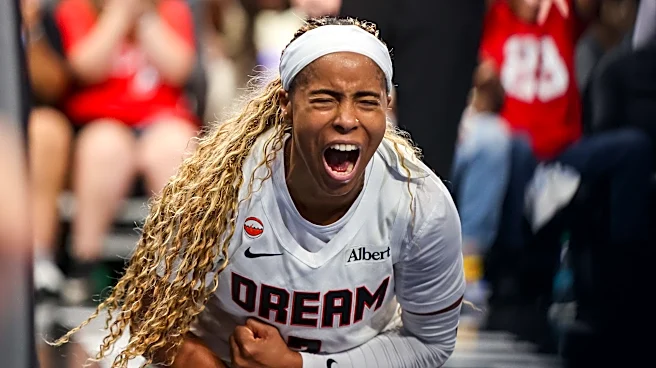
Oftentimes the term “ahead of schedule” is thrown around loosely to describe teams that outperform expectations, but in the case of the Washington Mystics I’d say this is an accurate label of their season. Despite getting swept in the first round by the No. 4-seed Atlanta Dream, Washington was able to improve their win total by 12 games and earn the No. 5 seed in the playoffs.
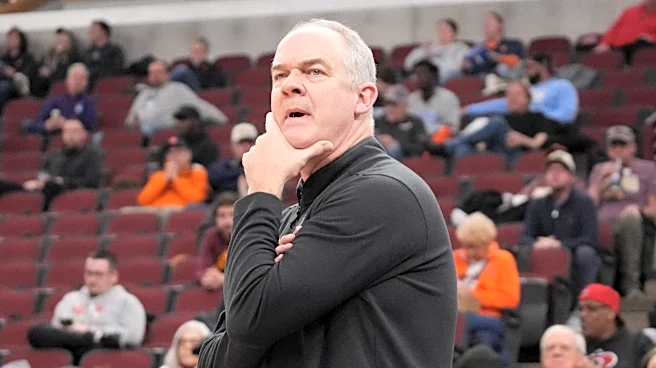
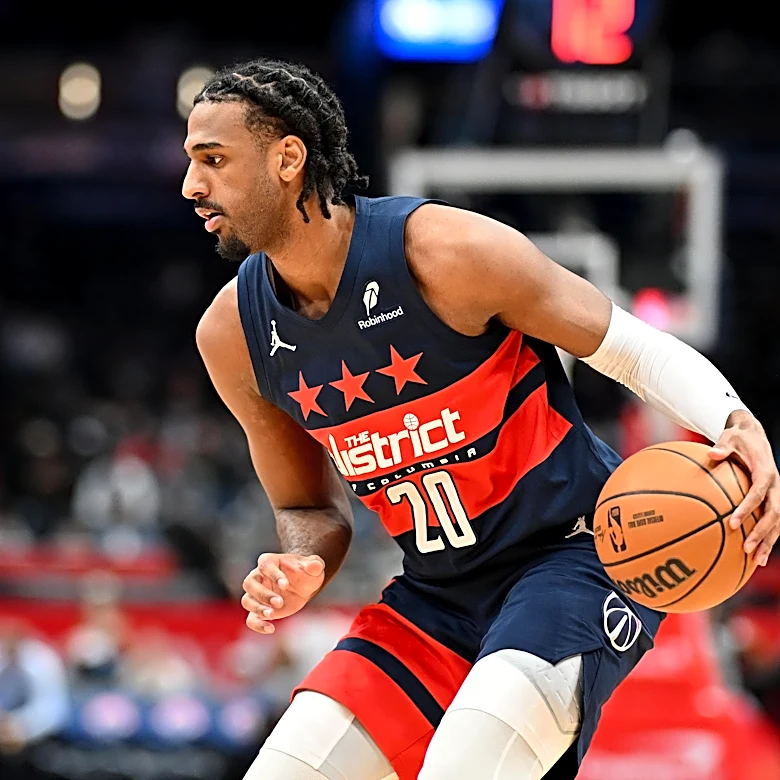
Head coach Sydney Johnson has established a culture that is based on physicality and stifling defense. In the process, Washington has found its core of Sonia Citron, Kiki Iriafen and Shakira Austin to build around in the future, and with a lottery pick in the upcoming 2027 WNBA Draft in their possession, they’ll be able to add to that core.
Washington will need to address offense with their offseason additions, primarily point guard.
The Mystics ranked dead last in offensive turnover percentage this year, which also came back to hurt them against Atlanta; the Dream scored 50 points off turnovers in just two games. Washington also ranked 14th in 3-point rate, which isn’t necessarily a problem, but when you also rank 12th in 3-point percentage, it becomes a problem because floor spacing is also essential to producing a good offense long term.
The Mystics tasked Citron with playing point guard a lot this season because of this issue, and while the team is banking on future development from her and the other young players on the team, they will also have a shot at any free agent they want given their friendly salary cap situation.
So while the Mystics are ahead of schedule and set up well for the future, the decisions they make this offseason both in the draft and free agency will really establish the ceiling of what this team can be down the road.