

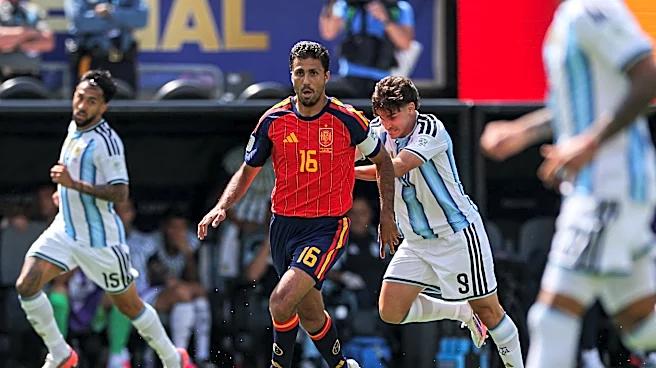
ESPN’s 2026 FC 100 is essentially an attempt to answer a deceptively difficult question: who is the best player in the world right now, position by position? The list is not simply a ranking of goals, assists or trophies. ESPN is looking at the complete player, what he contributes to his team, how consistently he performs, how he handles the biggest matches and, importantly, how much his individual qualities influence winning games. That produces some fascinating results. Bayern Munich are particularly
interesting. The German champions have several players represented across different positions, making their presence on the list a useful way to measure the club’s strength from back to front. Some Bayern stars rank exactly where you might expect, while others may leave readers questioning whether ESPN has rated them too high or too low. Below, we break down ESPN’s rankings position by position, look at the biggest names in each group, examine their statistics and explain where the Bayern Munich players fit among the best in the world.
Goalkeepers
Goalkeeper is one of the more interesting positions in the 2026 FC 100 because the top of the list includes several very different styles of goalkeeper. ESPN ranks David Raya of Arsenal No. 1, ahead of Gianluigi Donnarumma of Manchester City and Thibaut Courtois of Real Madrid, giving us three excellent examples of what the modern elite goalkeeper looks like.
Raya’s ranking is particularly significant because his value goes beyond traditional shot-stopping. He is comfortable playing high up the pitch, confident with the ball at his feet and aggressive when Arsenal need him to sweep behind the defense. That makes him an important part of Arsenal’s build-up rather than simply the final line of defense. Donnarumma offers a different profile, combining imposing physical presence with elite reflexes, while Courtois remains one of the world’s most difficult goalkeepers to beat because of his reach, positioning and ability to produce decisive saves.
For Bayern Munich, Manuel Neuer’s omission from the top 10 is arguably the biggest talking point. Neuer fundamentally changed expectations for what a goalkeeper could do with his feet and outside the penalty area, and his influence is still visible in the way elite teams use their goalkeepers today. However, at 40 years old, ESPN clearly believes his current level no longer puts him among the world’s 10 best. The comparison with Raya is an interesting one: Raya represents the modern goalkeeper at his current peak, while Neuer helped redefine the position itself.

Fullbacks
The fullback rankings are led by Achraf Hakimi of Paris Saint-Germain, who retains the No. 1 spot from 2025. Nuno Mendes, also of PSG, moves up to No. 2, followed by Jurriën Timber of Arsenal, Federico Dimarco of Inter Milan and Marc Cucurella of Real Madrid. The top 10 also includes Denzel Dumfries, Jules Koundé, Piero Hincapié, Alejandro Grimaldo and Nico O’Reilly.
Hakimi’s ranking is backed by another excellent season with PSG. Despite suffering a serious ankle injury against Bayern Munich in November, he returned in January and helped PSG retain the Champions League. He also became the first defender in Champions League history to record at least five assists in two separate seasons. Mendes scored six goals and provided seven assists in 48 games across all competitions while leading the Champions League in successful take-ons by a defender for the second consecutive season. Timber recorded three goals and five assists in the Premier League, while Dimarco produced 17 Serie A assists and 18 assists in all competitions, with the latter being a Serie A record. Cucurella ranked among the Premier League’s top five fullbacks in interceptions, assists and chances created. Further down the list, Dumfries helped Inter win another Serie A title, Koundé remained a key player for Barcelona, Hincapié provided versatility for Arsenal, Grimaldo scored eight league goals for Bayer Leverkusen, the most among defenders in Europe’s top five leagues, and O’Reilly recorded 15 goal contributions for Manchester City, the most among Premier League defenders.
Mendes ranks second after another strong campaign with PSG. He scored six goals and provided seven assists in 48 appearances across all competitions, while leading the Champions League in successful take-ons by a defender for the second consecutive season. ESPN also highlights his defensive performance against Bayern Munich winger Michael Olise in the second leg of their Champions League semifinal.
For Bayern Munich, the most notable point is the omission of a Bayern fullback from the top 10. Unlike some other positions in the FC 100, Bayern do not have a player represented in this particular group.

Center backs
The center-back rankings are led by William Saliba of Arsenal, who moves up from No. 2 in 2025 to take the top spot. Willian Pacho of Paris Saint-Germain is No. 2, followed by Gabriel of Arsenal, Pau Cubarsí of Barcelona and Jonathan Tah of Bayern Munich. The top 10 also includes Marquinhos, Dayot Upamecano, Virgil van Dijk, Alessandro Bastoni and Marc Guéhi.
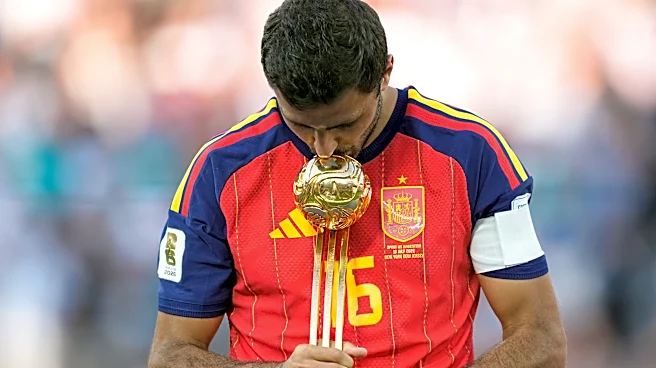
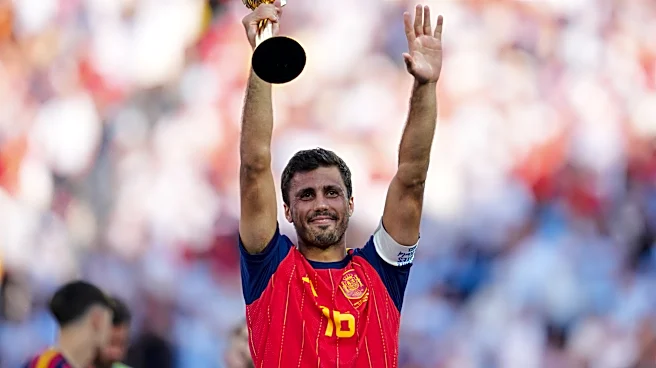
Saliba’s ranking is supported by an extraordinary passing statistic. His 95% passing accuracy in the attacking third was the highest in Europe’s big five leagues last season among outfield players with at least 30 matches. Behind him, Pacho led Champions League defenders in both minutes played (1,560) and defensive interventions (198), while Gabriel ranked in the Premier League’s top five for set-piece goal contributions (six) and blocked shots (34). Cubarsí’s rise is particularly notable at just 19. He was named the 2026 World Cup’s Best Young Player, led all defenders with 92 progressive passes at the tournament and made a team-high 62 defensive interventions for Spain. Van Dijk, meanwhile, scored a career-high six Premier League goals, while Bastoni ranked second among Serie A defenders in goal contributions (eight), touches (3,341) and completed passes (2,383). Marquinhos won 36 aerial duels in the Champions League, the most among Ligue 1 players, while Guéhi made 50 interceptions in the Premier League, second among defenders. It is a group that combines established stars, experienced leaders and emerging young defenders.
For Bayern Munich, the two names are Dayot Upamecano at No. 7 and Jonathan Tah at No. 5, giving the club two players inside the top seven. Upamecano tied Joshua Kimmich for the most recoveries among Bayern players last season with 210 in all competitions, and ESPN highlights the improvement in his decision-making alongside his ability to carry the ball, pick passes and sense danger. He anchored Bayern’s defense during the later stages of the Champions League and scored the first Champions League goal of his career against PSG. Tah, meanwhile, was Bayern’s most-used center back under Vincent Kompany, playing nearly 3,800 minutes across all competitions. His passing was an important part of Bayern’s buildup, while his 6-foot-5 frame made him a major presence against crosses. With both defenders entering the season among ESPN’s top seven center backs in the world, Bayern have a particularly strong presence at the heart of their defense.

Defensive/central midfielders
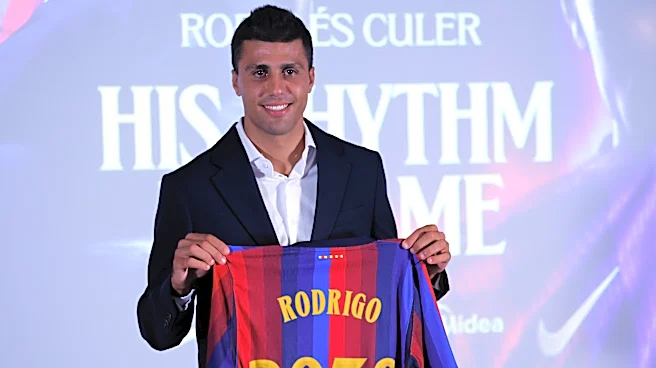
The defensive/central midfield rankings are led by Vitinha of Paris Saint-Germain, who moves up from No. 5 in 2025. Declan Rice of Arsenal is No. 2, followed by Rodri of Barcelona, João Neves of PSG and Pedri of Barcelona. The top 10 also includes Federico Valverde, Joshua Kimmich, Enzo Fernández, Moisés Caicedo and Fabián Ruiz.
The top 10 features a mix of defensive ability, ball progression, passing and attacking contributions. Vitinha is praised for controlling the tempo, while Rice combines athleticism, defensive work and chance creation. Rodri led the 2026 World Cup in completed and progressive passes, Neves combined more than 100 recoveries with a passing rate above 90%, and Pedri was particularly influential in controlling games from a deeper position. Valverde, Kimmich, Fernández, Caicedo and Ruiz round out the top 10 with different combinations of work rate, passing, ball-winning and goal contributions.
For Bayern Munich, Joshua Kimmich is ranked No. 7 and Aleksandar Pavlovic is No. 12. Kimmich ranked second among players in Europe’s top five leagues with 656 progressive passes and led the Bundesliga in combined progressive carries and passes. Pavlovic is a new addition to the FC 100 and set career highs in goals, chances created, recoveries and passing accuracy. ESPN also highlights his Champions League performance, where he started all 14 of Bayern’s matches and led the team in ball recoveries, carries and total touches.

Attacking midfielders
The attacking midfielder rankings are led by Bruno Fernandes of Manchester United, who moves up from No. 6 in 2025. Jude Bellingham of Real Madrid is No. 2, followed by Dominik Szoboszlai of Liverpool, Rayan Cherki of Manchester City and Nico Paz of Como. The top 10 also includes Martin Ødegaard, Morgan Rogers, Scott McTominay, Arda Güler and Christoph Baumgartner.
This group is defined by players who can change a game in a matter of seconds. Fernandes and Ødegaard excel at finding the final pass, while Bellingham, Szoboszlai and McTominay bring a major goalscoring threat from midfield. Cherki and Güler provide the aptitude and unpredictability associated with the traditional No. 10, while Paz and Rogers represent the next generation of attacking difference-makers. Baumgartner rounds out the group with his ability to arrive late in the box and contribute at both ends of the pitch.
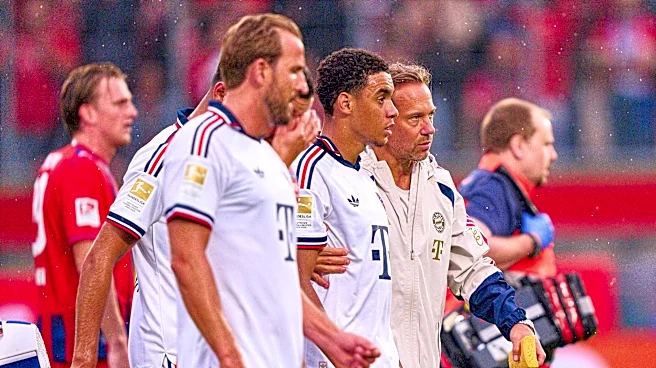
For Bayern Munich, Jamal Musiala is ranked No. 13 and Serge Gnabry is No. 15. Musiala dropped from No. 3 in 2025 after an injury-limited season but still produced five goals and six assists in only 1,175 minutes. ESPN continues to highlight his elite close control, dribbling and ruthless finishing. Gnabry returns to the FC 100 after scoring 10 goals and providing eight assists across all competitions, including several important performances during Bayern’s Champions League run.

Wide forwards
The wide forward rankings are led by Bayern Munich’s Michael Olise, who rises from No. 11 to No. 1 after a remarkable season. Lamine Yamal of Barcelona is No. 2, followed by Khvicha Kvaratskhelia, Luis Díaz and Lionel Messi. The top 10 also includes Vinícius Júnior, Bukayo Saka, Raphinha, Désiré Doué and Jérémy Doku, while Mohamed Salah, Bradley Barcola and Kenan Yildiz are among the notable names just outside the top 10.
This year’s list is packed with players who can completely change a game from the flank, but they do it in very different ways. Yamal and Doku thrive on taking defenders on, Kvaratskhelia brings spontaneity and flair, while Saka and Raphinha combine creativity with relentless work off the ball. Further down, Salah remains a major name despite a disappointing club season, while young talents such as Doué and Yildiz continue to push themselves into the conversation among Europe’s elite wide attackers.
For Bayern Munich, Michael Olise is ranked No. 1 and Luis Díaz is No. 4. Olise enjoyed an extraordinary 2025-26 campaign, combining 42 goals and 46 assists across his first two seasons with Bayern. His partnership with Harry Kane and Díaz helped produce the most prolific Bayern attack ever, while Olise took his game to another level internationally at the 2026 World Cup, recording a tournament-record seven assists as France reached the semifinals. At just 24, Olise has already developed into an elite creator, combining exceptional passing with the ability to score himself. Díaz, meanwhile, made an immediate impact after moving from Liverpool, producing 15 goals and 14 assists in 32 Bundesliga appearances as Bayern won the title. His 39 combined league and Champions League goal contributions ranked fifth among players in Europe’s top five leagues.

Center forwards
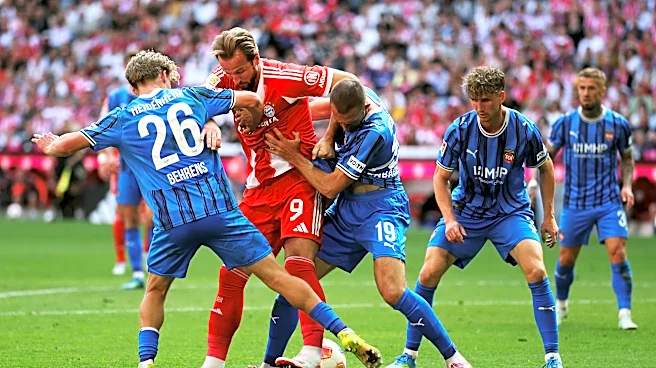
The center forward rankings are led by Harry Kane of Bayern Munich, who moves up from No. 3 in 2025 to take the top spot ahead of Kylian Mbappé and Erling Haaland. Mbappé is No. 2, followed by Haaland, Ousmane Dembélé, Julián Álvarez, Lautaro Martínez, Kai Havertz, João Pedro, Victor Osimhen and Hugo Ekitike. Kane’s No. 1 ranking is particularly significant because he has overtaken two younger superstars who are widely regarded as the defining strikers of the next generation.
The top three offer three very different versions of elite center-forward play. Kane is the oldest of the three but arguably the most complete, combining elite finishing with world-class passing, movement, aerial ability, vision and decision-making. He scored 58 goals for Bayern across all competitions and finished the season with 73 goals for club and country, the most by any player since Lionel Messi’s 82 in 2011-12. Mbappé remains the most devastating combination of speed, athleticism and finishing, while Haaland is arguably the world’s most unstoppable pure goal scorer, scoring 38 times for Manchester City and seven times at the World Cup. Kane, however, offers something uniquely valuable: he can drop into midfield and effectively become a playmaker without sacrificing his ability to arrive in the box and finish attacks. His willingness to receive the ball extremely deep, create chances for teammates and then become the finisher himself makes him exceptionally difficult to defend and helps explain why ESPN considers him the best center forward in the world.
For Bayern Munich, Kane’s No. 1 ranking is another major recognition of how extraordinary his individual level has become since moving to Germany. He has already broken Bayern scoring records previously held by Robert Lewandowski and Gerd Müller, while continuing to deliver for England with six goals at the 2026 World Cup and a record 14 career World Cup goals for an English player. What makes his Ballon d’Or case especially compelling is that Kane is not simply maintaining an elite level at an advanced age; he is continuing to evolve his game. While Mbappé and Haaland have youth and explosive physical qualities on their side, Kane increasingly wins through intelligence, technique, positioning and anticipation. At 33, he is showing that a center forward does not have to become less influential with age. He can become more complete, more intelligent and, in some ways, even more difficult to replace.

What does this ranking say about Bayern?
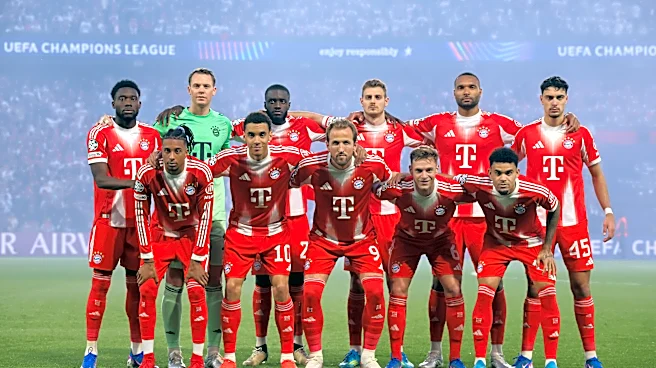
The 2026 FC 100 paints a pretty compelling picture of Bayern Munich. The club has, per ESPN, the No. 1 center forward in the world, the No. 1 wide forward, two center backs inside the world’s top seven, a midfielder in the world’s top seven, another midfielder rapidly approaching the top 10, and Musiala, who was No. 3 in his position only one year ago, sitting at No. 13 after an injury-hit season.
Overall, it shows that Bayern have one of the strongest cores in world football, with superb talent and a well-oiled machine featuring genuine superstars across the pitch. There are certainly weaknesses and perhaps some predictability at times, but Bayern remain a highly creative team with different stars capable of shining in various positions.
Kane’s No. 1 ranking gives him a very strong Ballon d’Or case despite not winning the Champions League or World Cup. Those trophies hurt his chances, but his individual season was extraordinary: 58 goals for Bayern, 73 for club and country and six goals at the World Cup. Unlike Mbappé and Haaland, Kane also contributes at an elite level as a creator, making him arguably the most complete center forward of the three. At his age, he is still producing at the highest level, which makes his achievement even more impressive.
Ultimately, Kane is the clear headline for Bayern in this year’s ESPN FC 100. Olise and Díaz are among the world’s elite, while Bayern’s broader group provides quality across the pitch, but Kane has reached another level. His lack of the two biggest team trophies is the obvious argument against him, yet if the Ballon d’Or rewards individual performance, consistency and overall influence, Kane has arguably the strongest case of anyone.
Join the conversation!
Sign up for a user account and get:
- New, improved notifications system!
- Fewer ads
- Create community posts
- Comment on articles, community posts
- Rec comments, community posts