





Wrigley Field is the second oldest ballpark in the country and one of only two active MLB stadiums that is over 100 years old. It’s one of the crown jewels of baseball, a federal historic landmark and a pretty amazing place to catch a baseball game on a Friday afternoon in the summer. But you can’t keep playing in a ballpark that was opened 112 years ago without some careful planning, and even historic landmarks occasionally demand upgrades so that the next generation of fans can enjoy them for another
century.
As most of you likely remember, when the Ricketts Family bought the team they embarked on a project to preserve and restore Wrigley Field. From 2014-2019, major infrastructure improvements were made all over the ballpark including changing out the 100+ year old seats, adding more seating, installing two video boards to bring Wrigley Field into the modern age, without radically changing her character, and replacing key structures to ensure the ballpark would be structurally sound for decades to come.
This work was done in the offseason, when fans were focused on the Bears, Blackhawks and their favorite college football teams (Go Irish! Go Utes!). Think of it as the type of offseason maintenance only locals see on a daily basis. Little (or sometimes big) additions here and there that keep Wrigley Field viable. This offseason the upgrades around the park focus on security enhancements for the 2027 All Star Game.
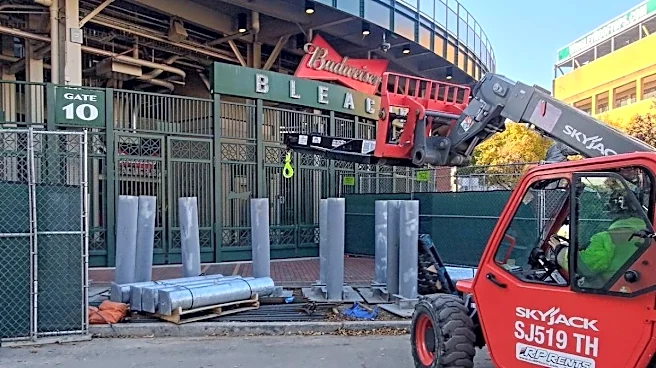
Today on my walk around the ballpark, I noticed quite a bit of progress on one of those projects, the bollard installation around the park to enhance security for the Midsummer Classic:

As you can see, quite a bit of progress has been made on Waveland. Crews have pulled the commemorative brick sidewalk, dug a trench and begun installing bollards down the street. If you zoom in on this image, you can see bollards being placed in the background further up Waveland.
Today I was a bit pressured for time and only snapped a couple of shots, but plan to head back tomorrow for a more detailed look. It is worth noting that this is a major addition to the ballpark. It was referenced in last March’s Wrigleyville Community Meeting as a safety enhancement informed by new threats that have emerged at large venues in recent years, like this horrific terrorist attack in New Orleans, among others. We’ll continue to monitor the changes to the perimeter of the park this offseason.