

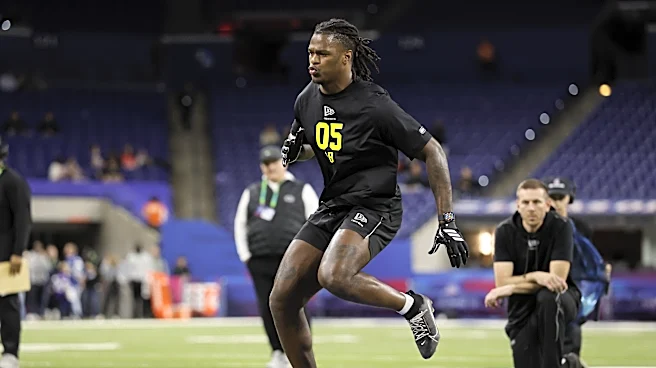
Safety is one of the most demanding positions on the field because it blends responsibilities from multiple spots. A good safety needs to cover like a corner, tackle like a linebacker, and think like a quarterback.
They are often the last line of defense, which means mistakes are amplified. One false step, one bad read, and it usually results in a big play. At the same time, they’re also asked to erase mistakes from others, clean up plays in space, and keep the entire secondary aligned.
Some safeties
look great when everything is in front of them, but struggle when asked to cover ground. Others can fly around but lack discipline or awareness. The best ones combine range, physicality, and intelligence in a way that consistently shows up on tape.
Range, Speed & Closing Ability
- Sideline-to-sideline range as a deep defender where the player can cover a large amount of space in Cover 1 or Cover 3 and prevent anything from getting over the top.
- Closing speed when the ball is in the air to break on throws and either disrupt or finish the play.
- Ability to play over the top consistently so deep threats don’t get behind him due to poor angles or lack of speed.
- Downhill burst when attacking the run or short passes, arriving with urgency and not hesitating.
This is the foundation of the position. Without range, a safety becomes limited very quickly.
Fluidity, Movement Skills & Transition Ability
- Smooth, controlled movement in coverage, similar to what you look for in cornerbacks.
- Clean hip transitions when opening up to run, without stiffness or wasted motion.
- Feet and body staying in sync, allowing the player to move efficiently in any direction.
- Ability to transition from backpedal to downhill movement quickly, especially when reacting to underneath throws.
The best safeties move effortlessly; the ones who don’t tend to get exposed when asked to cover space.
Man Coverage Ability (TEs, RBs, Slots)
- Ability to match up with tight ends and bigger bodies, using strength and positioning to stay in phase.
- Comfort covering running backs out of the backfield, especially on option routes and quick-breaking patterns.
- Capability to line up in the slot when needed, handling quicker receivers without becoming a liability.
- Use of proper technique in man coverage, including staying balanced through breaks and avoiding unnecessary contact.
Safeties don’t live in man coverage, but if they can’t hold up when asked, offenses will find them quickly.
Zone Coverage, Awareness & Field Vision
- Reading the quarterback’s eyes without losing discipline, avoiding being manipulated out of position.
- Understanding route combinations and spacing, especially in deeper zones.
- Ability to cover different zones effectively, whether it’s single-high, split-field, or rotating post-snap.
- Range within zone to take away throwing windows, not just sit in space.
This is where instincts really show up as great safeties see things before they happen.
Ball Skills & Playmaking
- Tracking the ball cleanly in the air and adjusting positioning accordingly.
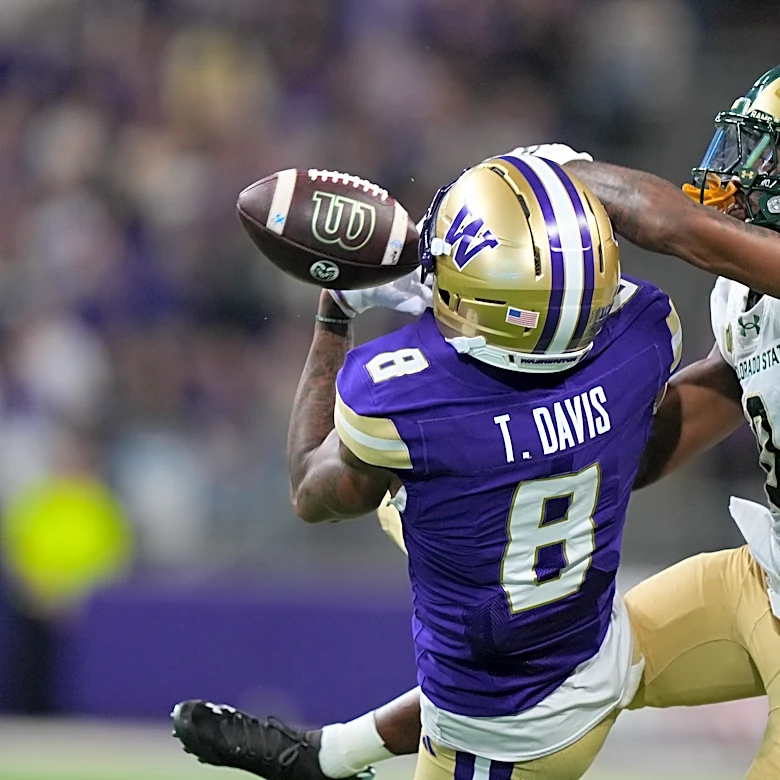
- Finishing plays with interceptions or pass breakups, not just being in the area.
- Timing at the catch point to disrupt without drawing penalties.
- Natural hands and awareness when opportunities present themselves.
Turnovers change games. Safeties who can consistently create them bring real value.
Tackling & Run Support
- Reliable open-field tackling, especially when they are the last line of defense.
- Proper angles to the ball, cutting off space instead of chasing inefficiently.
- Willingness to engage physically, not avoiding contact.
- Consistency in finishing tackles, rather than going for low-percentage hits.
This is where safeties separate themselves from corners. They are expected to be involved and dependable.
Play Strength & Physicality
- Ability to play in the box and handle contact, taking on tight ends and even offensive linemen when needed.
- Strength to disengage from blocks and stay involved in the play.
- Physical presence when coming downhill, not just arriving but making an impact.
- Balance between aggressiveness and control, avoiding missed tackles or overcommitting.
Safeties have to operate in traffic more often. They can’t just be space players.
Processing, Instincts & Football IQ
- Quick recognition of run vs pass, allowing the player to react without hesitation.
- Ability to diagnose plays as they develop, not just after the fact.
- Discipline against play action and misdirection, staying grounded in their responsibilities.
- Consistency in being in the right place, even when the play doesn’t come their way.
This is what turns athletic players into reliable ones.
Versatility & Alignment Flexibility
- Ability to play deep safety roles, both single-high and split safety looks.
- Comfort operating in the box like a linebacker, especially in run-heavy situations.
- Flexibility to line up in the nickel or other sub-packages, depending on matchups.
- Scheme versatility across different defensive systems, not limited to one role.
The more a safety can do, the more valuable he becomes.
Communication & Leadership
- Acting as the quarterback of the defense, helping align teammates before the snap.
- Making coverage checks and adjustments, especially against motion or shifts.
- Directing traffic in the secondary, ensuring everyone is on the same page.
- Maintaining composure and control, even when things break down.
This doesn’t always show up on the stat sheet, but it’s critical to how a defense functions.
What This Means for the Colts
The Colts managed to sign a few veteran free agents, but depth is needed and they might also need a long-term starter next to Bynum.
With changes already happening in the secondary and uncertainty at multiple positions, safety becomes even more important. It’s the position that can stabilize everything else. A reliable safety can cover up mistakes and bring consistency to the back end.
The Colts don’t just need another body at the position. They need someone who can do a bit of everything. A player who can handle deep responsibilities, step into the box when needed, and communicate effectively across the defense.
Other Instalments: