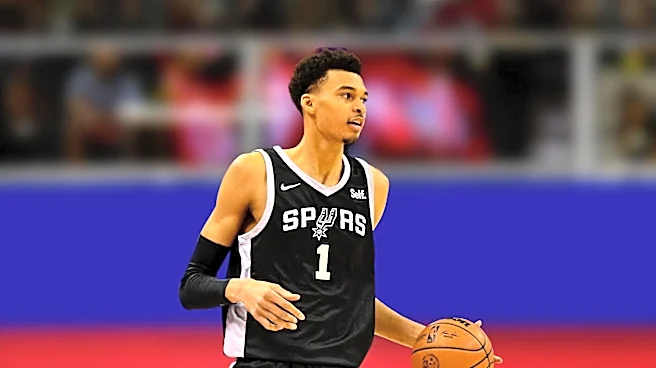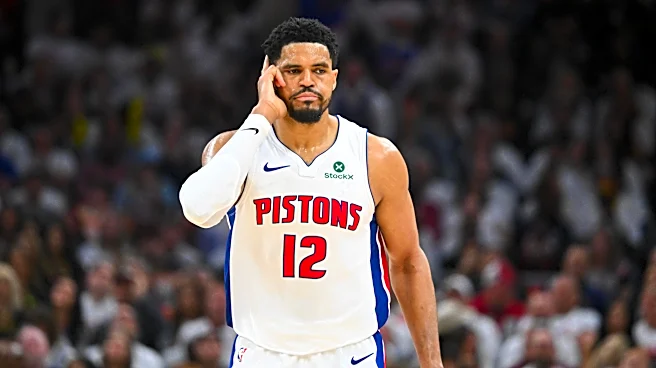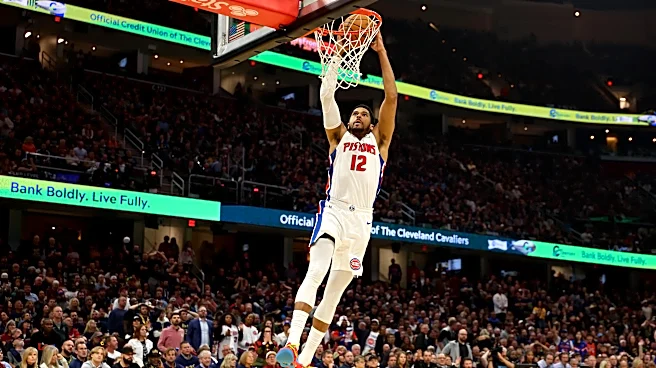


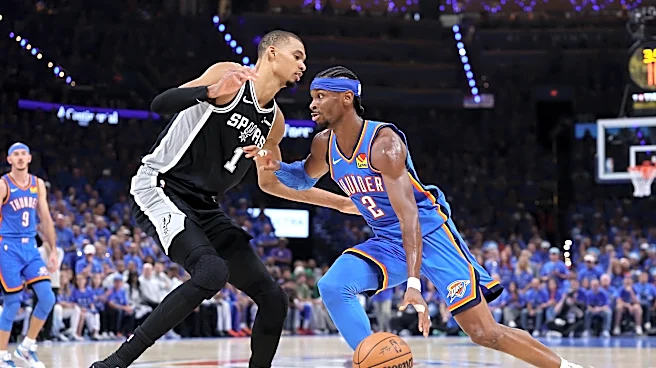

The season will start in fewer than three months, and the San Antonio Spurs will no longer have the benefit of being a surprise team. They’ve made up for that by bringing in a veteran assistant coach in Billy Donovan who won twice at the University of Florida, and signed Tobias Harris, adding another seasoned player capable of relief scoring in big games who will also be expected to have a critical role in the non-Victor Wembanyama minutes.
The stretch in which the team‘s best player rests is one
of the most important in the game since opponents try to hit the accelerator. When Jimmy Butler was on the Miami Heat, too many games were up in the air during his four to six minute break at the start of the fourth quarter, and the non-Nikola Jokić minutes in Denver are part of the reason the Nuggets haven’t returned to the Finals during the prime of an all-time great because he has to do too much.
The Spurs’ primary scorers in the non-Wemby minutes were usually De’Aaron Fox or Devin Vassell, and their scoring threat in the front court was Harrison Barnes. Adding another mobile option to the frontline with a superior ability at getting into the body of defenders will ensure Fox, Vassell or whichever guard is in this rotation in 2026-27 doesn’t get worn out, and it will make it easier to cover for Luke Kornet’s limitations.
Harris’ versatility could even allow for some experimenting with him as the small-ball five against certain matchups to preserve speed, which he hasn’t tried in his career for any significant stretch. With respect to Luke Kornet, whose epic chase down block on Isaiah Hartenstein was one of the highlights of the playoffs, he doesn’t move his feet fast enough and is in danger against competent outside shooters.
The edge Harris brings in this scenario is guarding at the level of the screen. Not to imply he’s some renowned defender, but Harris will be more of a help versus bigger ball handlers because he has enough foot speed and strength to make it difficult for them on the move. On top of that, using him here could be more effective than playing Carter Bryant as the backup big since the youngster’s exuberance hasn’t been harnessed, and it causes him to pick up too many fouls.
Imagine a bombs-away lineup of Harris next to Fox, Barnes, Julian Champagnie and Vassell. A nice wrinkle would be making him the first passer to the post in a split action set. Harris would then turn instantly into a screener, and if a big is guarding him, it will likely ensure the shooter has even more space due to many bigs not being comfortable hovering the outside, especially if their man doesn’t have the ball.
The video below is from Dustin Aubert (The Basketball Academy) and it’s about two minutes, but please examine the first possession from a New York Knicks and Golden State Warriors game from a few seasons ago. The Warriors commonly run split action, and the man to focus on here is Kevon Looney. This is a perfect example of how making the big man the initiator of the set puts the defense on ice.
Last season, the Spurs would lose the option of their big man being the trailing shooter when Kornet came in for Wemby. Relying on Harris in this role keeps that option in play and he’s a decent shooter on the catch, making 38.1 percent of attempts, yet this plummeted to 31.6 percent in the postseason.
Additionally, bigs wouldn’t keep up with Harris on catch-and-go moves, and they might try to compensate by force-feeding mismatches on the other side. A good scheme can offset that, and his post skills would also unlock the perimeter. The first test to see if this could be a real option should be against the lower-level bigs and progress as it goes on.
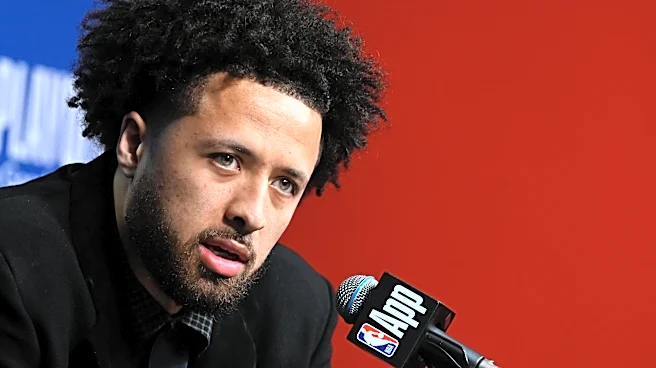
Keep in mind that Harris had one of his best playoff runs with the Detroit Pistons in 2025-26 and it notably came next to a high-level playmaker in Cade Cunningham. Still, it wasn’t the prefered role for him because he ended up having to do too much as the second option.
In San Antonio, Fox and especially Dylan Harper can ensure that he gets the ball in ideal situations, since one of them will probably be on the floor at all times. One of the playmakers working with Harris on screen rolls would be effective, and so would putting him in motion. He knows how to play without the ball, so it’s easy to envision him taking open 10-foot jumpers after curling around stagger and cross screens.
Some may not view Harris as a home run addition since he’s not the flashiest and has only been better than a league-average 3-point shooter in four postseasons, but he is in the ideal role as a fourth option. Don’t be surprised if he plays his most meaningful, impactful ball with the Spurs.