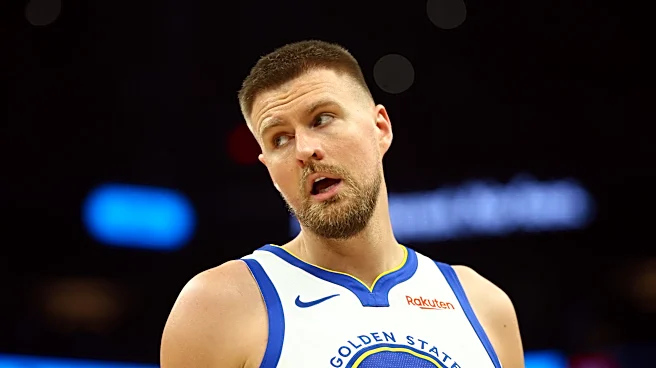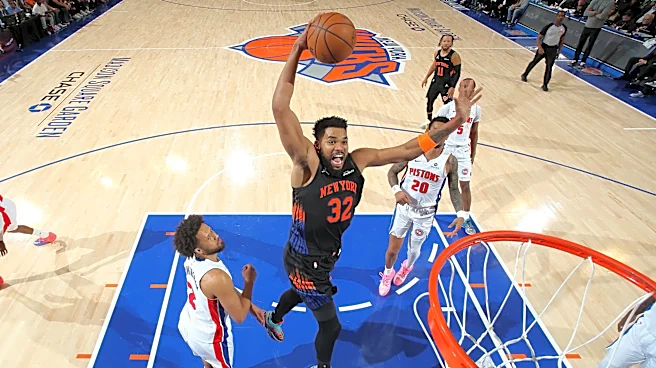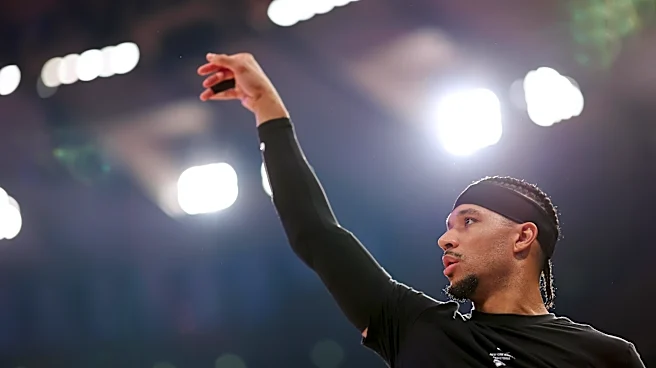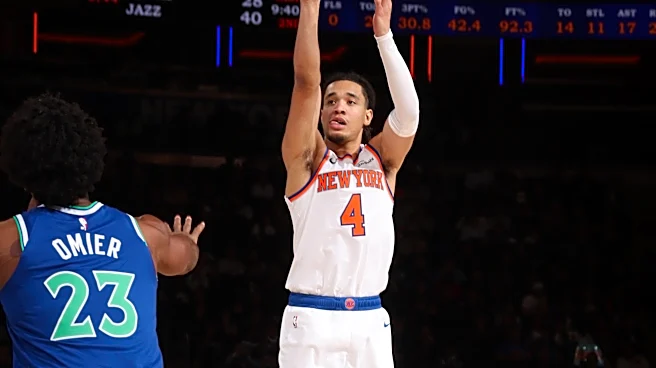

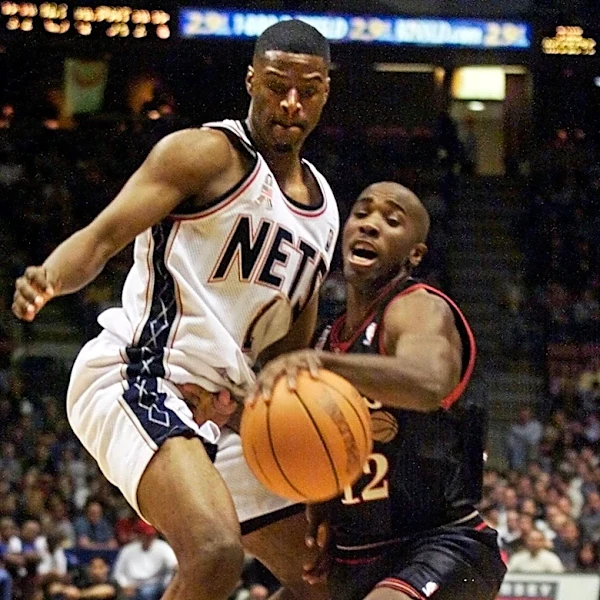

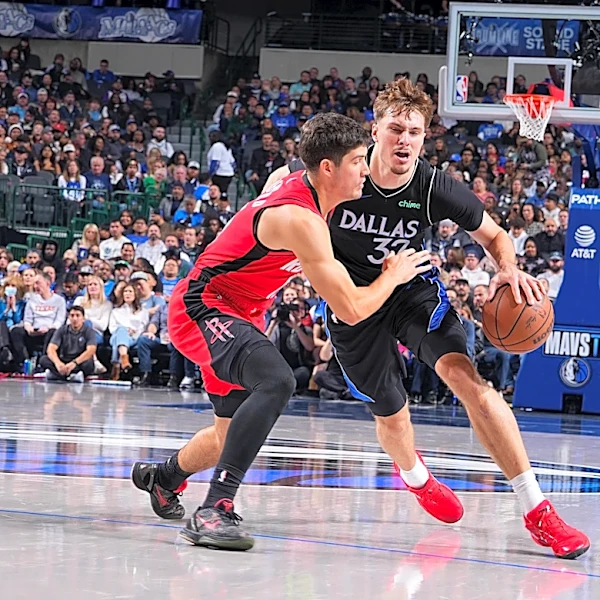
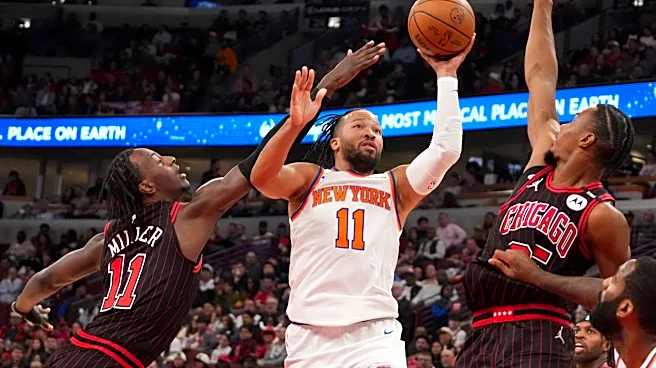
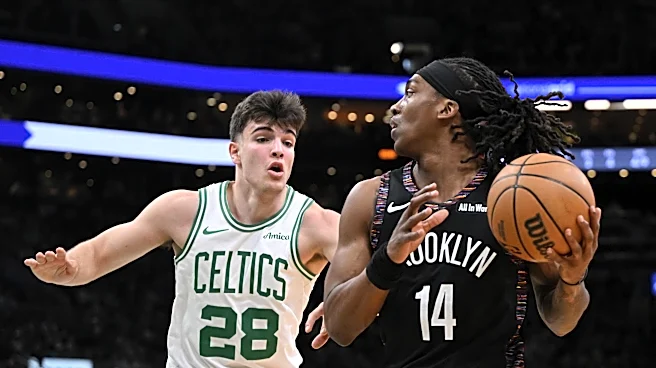

You’ll recognize the World Champion Pacôme Dadiet from his time spent cheering from the bench. His babyface looks are unchanged since his NBA debut—as are his skills.
In a (not so) surprising move, the Knicks have declined to pick up the option for this important practice player. Scoopman Shams Charania reports that the Knicks “plan to decline Pacome Dadiet’s fourth-year option worth $5.37 million, sources tell ESPN.”
This money move will free up a little cap space for Leon Rose as he crunches contract
numbers for Karl-Anthony Towns, Josh Hart, and presumably Miles McBride and Tyler Kolek. The Frenchman will be an unrestricted free agent next summer.
Dadiet appeared in 18 games as a rookie, 29 as a sophomore, and for one minute of one game in the current campaign. He also played two seasons in the G League with the Westchester club. Late in his second season there, he delivered multiple 25–32-point games, including a 32-point outing with five boards, four dimes, two thefts, and a block.
Although he seemed to be improving in the minor leagues, he hasn’t shown it in his limited appearances at MSG. The best young NBA players show growth from year to year, with crisper floor movement, shot refinement, physical development, and increased BB IQ. Not so with Pac-Man. The barely 21-year-old will leave an important legacy in New York, however, even if this is indeed his final season with the club.
When selected with the 25th pick in the 2024 NBA Draft, Dadiet agreed to a four-year rookie-scale deal worth about $13.01 million instead of the more typical maximum scale amount near $13.9 million. First-round rookies can sign for as little as 80% or as much as 120% of the slotted amount. Dadiet took the minimum 80% for 2024-25, a first-year salary of roughly $1.81 million instead of around $2.71 million.
This created about $904,000 in extra flexibility under the 2024-25 second-apron hard cap. The Knicks also paid an $850,000 buyout to free him from his German club (Ratiopharm Ulm), but that overseas buyout did not count against the NBA salary cap.
Without that discount, the subsequent trade for Karl-Anthony Towns (which sent Julius Randle, Donte DiVincenzo, and other pieces to Minnesota, with Charlotte involved for salary matching) would have nudged New York over the second apron. The Towns acquisition as structured would have been impossible, or at least not in that form.
Later seasons of Dadiet’s deal moved closer to (or above) standard scale, but by originally “taking less,” he helped facilitate the acquisition of KAT, who helped deliver a championship to the city two years later.
The new season is still young—and so is he—but Dads already has a ring and some serious bragging rights. If the ride ends after this season, he’s got plenty to be proud of.
Knicks in five.