


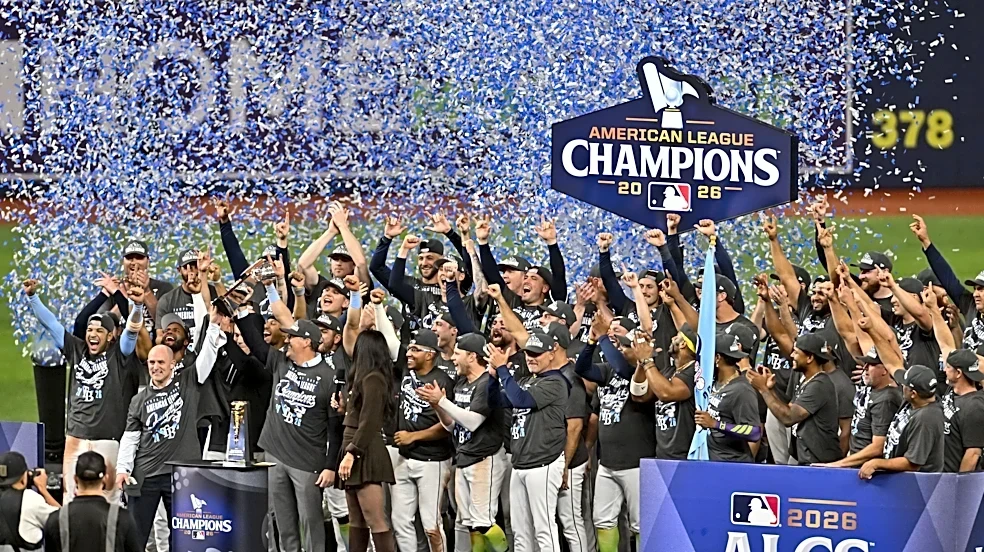

The World Series is here! Over the next week, a new champion will be crowned, the Brewers and Rays joining the Padres, Mariners, and Rockies as the five remaining teams in MLB to never win a title. The two teams are probably the archetypes in the league whose brand of baseball represents the object of desire for a significant subsection of fans: sound fundamentals, incisive base running, and a diversity of offensive profiles and approaches. The two teams are also at the cutting edge of a data-driven
approach, whether that’s talent acquisition, player development, or skills maintenance, maximizing rosters limited by small TV markets and frugal owners.
Yesterday, we previewed the offenses of both clubs. The Brewers bats have been the class of the postseason, the only offense with a collective wRC+ above 100 in the playoffs, riding a surprising power surge from the top of their lineup. The Rays meanwhile have seemingly over-performed the many struggling bats in their postseason lineups and have to be approaching a record in the modern postseason format for productive outs — every game it feels like we’ve seen multiple sac bunts, sac flies, and runners advancing on fly balls and grounders.
Today, we’ll talk all things pitching.
Milwaukee Brewers
103-59, 1st NL Central
Defeated Padres in NLDS, 3-1
Swept Dodgers in NLCS, 4-0
When we think about the teams with the best pitching staffs over the last decade, the Brewers certainly make the shortlist, and that held true in 2026. Their rotation led all of MLB in strikeout rate (27.4-percent) and K-BB% (19.6-percent) — thanks in large part to a certain Mr. Jacob Misiorowski — while also finishing in the top-five in ERA (3.61), FIP (3.73), and fWAR (15.6). And while the bullpen lagged behind the rotation a tad in the strikeout department, the unit still finished in the top four in ERA (3.40), FIP (3.70), and fWAR (7.0).
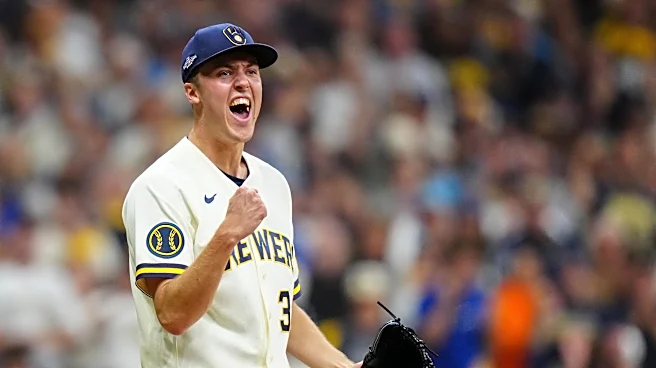
The Miz is obviously the marquee attraction of all the stellar pitching we are likely to see in the Fall Classic. The presumptive NL Cy Young redefined our limits for a starting pitcher, throwing the fastest pitch ever recorded by a starter (106 mph) and an astonishing 1,115 pitches 100 mph or faster, which was more than every other starting pitcher combined. He finished the year 16-5 in 30 starts, with an MLB-best 1.80 ERA (232 ERA+), 2.17 FIP, and 252 strikeouts in 174.2 innings. However, given the way the Rays sluggers crush the fastball and the issues he’s had with his heater in the postseason, Game 1 will be far from a walk in the park. His four-seamer induced a 40.2-percent whiff rate and held batters to a .174 average in the regular season, but has cratered to a 16.1-percent whiff rate while getting hit at a .364 clip in the postseason as it has lost some of its life despite holding its velocity, and that lack of whiffs is a prime culprit in why Misiorowski failed to make it out of the fifth in either of his postseason starts.
Logan Henderson was named as Game 2 starter and represents a steep drop off from The Miz. He’s had a remarkable start to his career — in 23 starts between this year and last he’s 14-3 with a 2.33 ERA (180 ERA+), 3.26 FIP, and 143 strikeouts in 123.2 innings — but has found the waters a bit choppier in the playoffs, giving up two runs (one earned) in five innings against the Padres and four runs (two earned) in four innings against the Dodgers. Milwaukee has not named a Game 3 starter, but you imagine Robert Gasser is in pole position after tossing five scoreless innings in Game 3 against Los Angeles.
The bullpen has been the real weapon on the pitching side for the Brewers this postseason, though you do wonder about the effect of fatigue as their relievers have thrown 10.2 more playoff innings than Rays relievers. They are second among the 12 playoff teams by both ERA (1.33), and FIP (2.98) and are an exciting mix of homegrown talent and shrewd trade deadline adds.
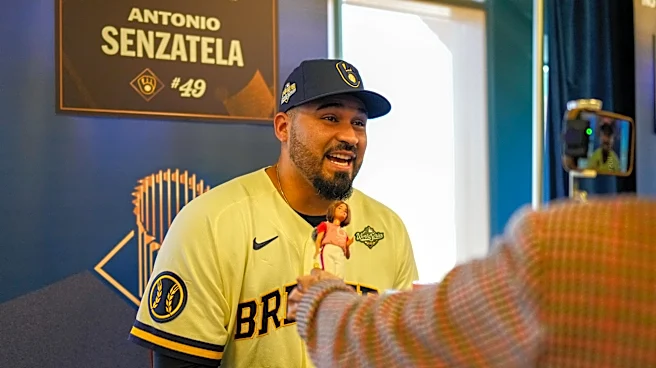
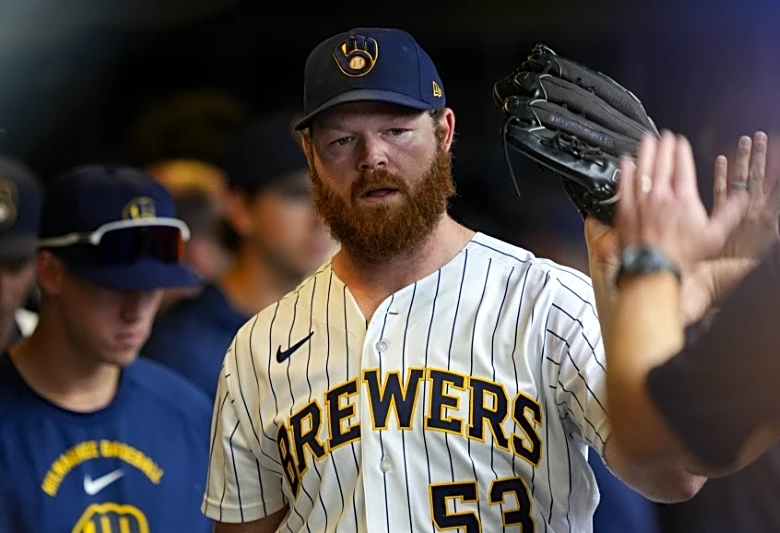
Milwaukee possesses one of the best one-two punches at the back of their bullpen in recent playoff memory. Aaron Ashby leads all postseason relievers with 12.1 IP but has yet to allow a run in six appearances while closer Trevor Megill has gone five scoreless appearances totaling 5.2 innings and secured four saves. Both pitchers operate in the upper-90s with their fastballs and figure to feature prominently in the final three if not four innings of every close game this series. The middle innings will be covered by guys like DL Hall and Antonio Senzatela, who like Ashby and Megill have not allowed a run this postseason, as well as lefty specialist JoJo Romero and ground ball guru Abner Uribe.
Tampa Bay Rays
98-64, 1st AL East
Swept Yankees in ALDS, 3-0
Defeated Guardians in ALCS, 4-2
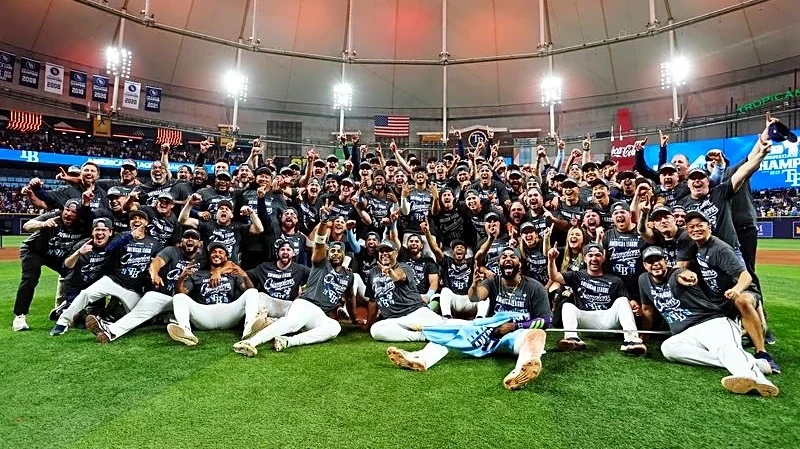
The Rays pitching factory kept on churning in 2026, producing some of their regular and postseason’s best performers from career journeymen or other teams’ discards. Their rotation was a top-seven unit during the regular season in ERA (3.51), FIP (3.79), and fWAR (14.4) despite losing ace Shane McClanahan to injury. The relief corps on the other hand sat middle of the pack by almost every metric, but has stepped up to be one of the postseason’s stingiest bullpens
Yesterday, I noted the two-headed monster of Yandy Díaz and Junior Caminero atop the Rays lineup, and there are parallels you could draw with their rotation. Drew Rasmussen and Freddy Peralta are, without question, the two standout starting pitchers from these playoffs. Rasmussen was one of MLB’s best pitchers, seventh among qualified starters in ERA, FIP, and fWAR (5.0), and has somehow shifted into an even higher gear in the playoffs. He pitched eight scoreless innings of one-hit ball with ten strikeouts against the Yankees and then made two starts against the Guardians, allowing two runs in six innings in Game 1 and the one run in seven innings in Game 5.
Peralta has somehow pitched even better than his rotation mate. Fastball Freddy as he was affectionately known from his time with the Brewers, the Rays have taken that moniker to a new level. By adjusting his position on the rubber, having him pitch out of the stretch, and extending his release point after the Mets salary dumped him at the deadline, the Rays have his fastball firing even better than his stellar eight seasons with Milwaukee. He allowed a run in 4.2 innings against the Yankees, tossed six scoreless against the Guardians in Game 2, recorded two outs in relief in Game 4, and then twirled 5.1 innings of one-run ball two days later to wrap up ALCS MVP honors.
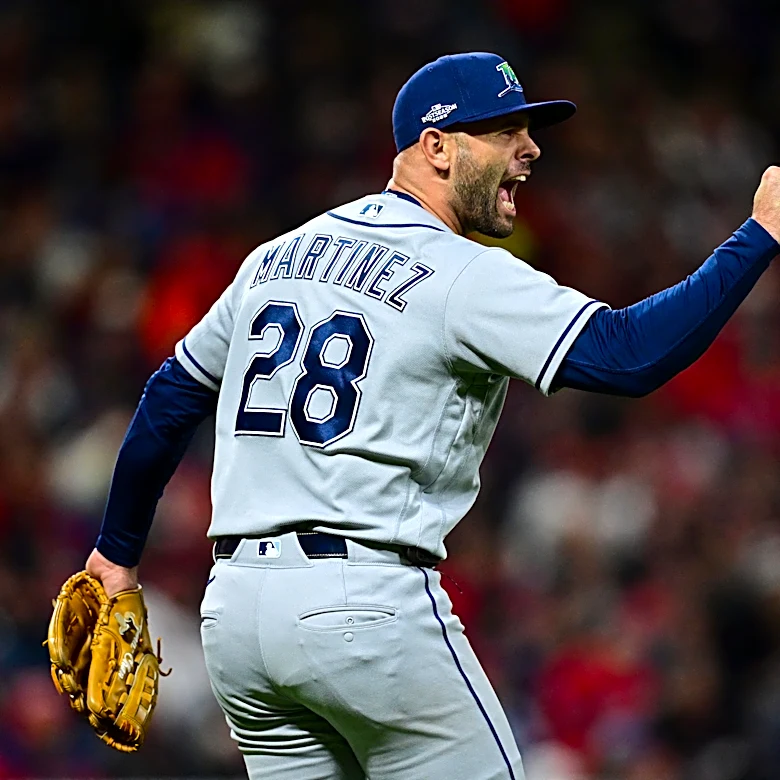
However, neither player will start Game 1, as that honor belongs to Nick Martinez. The well-traveled swingman settled into a starting role in his age-35 season and rewarded the Rays with a 15-6 record in 31 starts, 3.10 ERA, 3.96 FIP, and 109 strikeouts in 180 innings, his 3.6-percent walk rate the lowest in baseball. He allowed two runs in 3.2 innings against the Yankees before holding Cleveland to a run in 5.1 innings in Game 4.
The Rays bullpen mirrors the Brewers’ in protecting the lead in the final two innings. Milwaukee has Ashby and Megill, the Rays have Cam Booser and Bryan Baker. Booser is truly one of the remarkable comeback stories in MLB, retiring in 2017 before returning and pitching eight seasons in the minors. He was signed by Tampa on a minor league deal to start the year and has only gone and become their shutdown setup man in the playoffs at the age of 34. With newfound velocity on his heater, the southpaw has tossed 4.2 scoreless innings across six appearances. He then hands the ball off to the closer Baker, who has also leveraged his explosive fastball to make seven scoreless appearances and record five saves. Tampa hasn’t had to rely on its bullpen as heavily this postseason as the Brewers on account of their brilliant starters, so the extra small sample sizes skew certain metrics. For example, Griffin Jax, Ian Seymour, and Tyler Wells have been the Rays’ main strikeout threats out of the ‘pen, but you wouldn’t expect so from a quick glance at their inflated postseason ERAs.
Ominously, this Rays pitching staff looks like it has the perfect ingredients to neutralize the Brewers’ strengths. Milwaukee was the best team in baseball at not chasing and drawing walks, but Rays pitchers live in the strike zone, and between Martinez and Rasmussen boast the two starters with the lowest walk rates in all of MLB. The Brewers also struggled at times against high velocity, which between Rasmussen, Peralta, Booser, and Baker the Rays have in abundance.