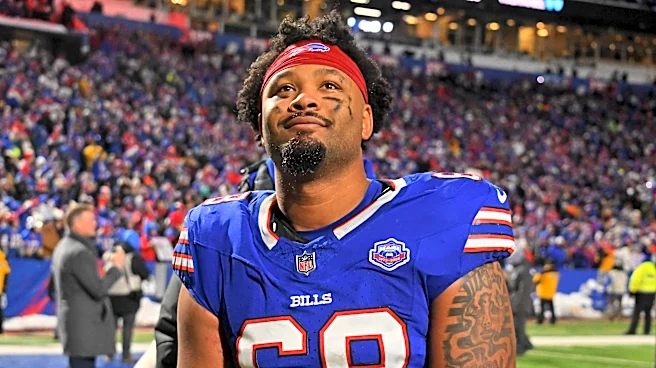


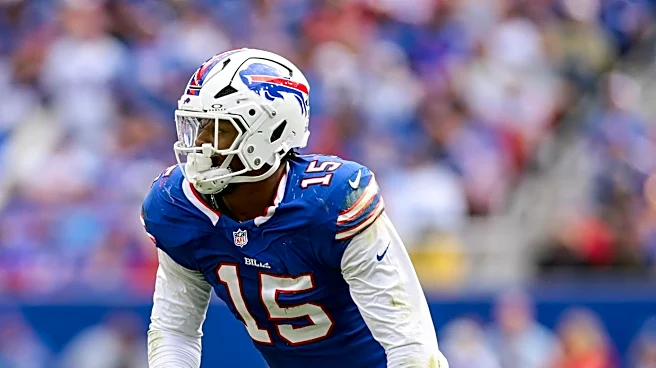

Buffalo’s defense was forced to survive 82 snaps before one special-teams play changed everything.
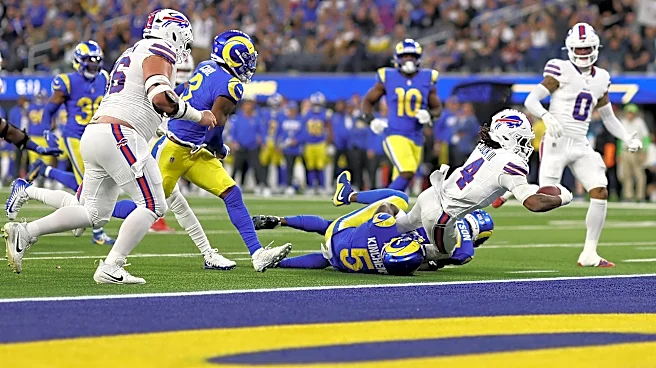
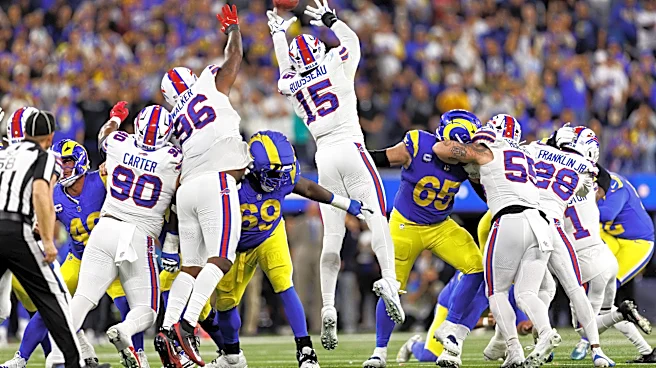
The Buffalo Bills’ 37-34 overtime win over the Los Angeles Rams had nearly everything: nine lead changes, 890 combined yards, 24 accepted penalties, a late collapse, an overtime fumble, a blocked field goal and, finally, a walk-off winner.
The snap counts help explain why the game felt so exhausting.
Buffalo played 64 offensive participation snaps compared with 82 for Los Angeles. The Bills’ defense spent
nearly 38 minutes on the field and faced 54 Matthew Stafford pass attempts.
Somehow, Buffalo survived it. The offense leaned on Josh Allen and James Cook, the defense bent until it could bend no further, and the special-teams unit supplied the plays that ultimately decided the game.
Here is what the Bills’ Week 5 snap counts reveal.
An injury forced Buffalo to change its offensive line
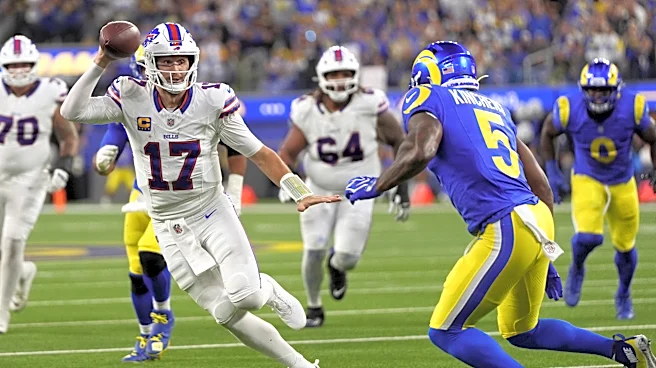
Josh Allen, Dion Dawkins, Alec Anderson, Connor McGovern and O’Cyrus Torrence played all 64 offensive snaps.
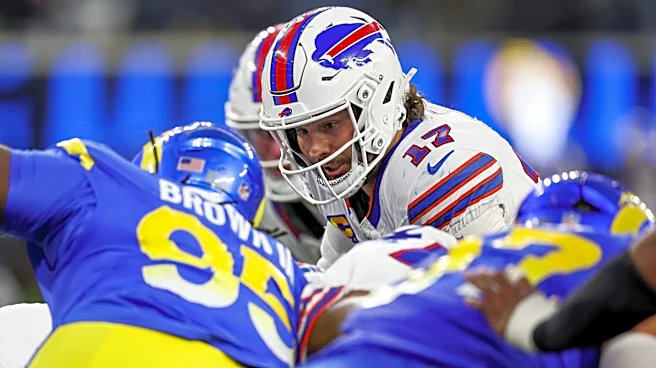
That left right tackle as the only position without complete continuity. Spencer Brown played 16 snaps before leaving with a back injury during the second quarter. Tylan Grable replaced him and played the remaining 48, giving him a 75% offensive share.
Buffalo allowed only one official sack, which came on its opening possession, and the offensive line helped create 234 rushing yards at 6.3 yards per attempt. Grable stepped into a difficult assignment against a Rams front and helped the Bills continue running the ball effectively. His performance will become even more important if Brown is unable to play against the Las Vegas Raiders.
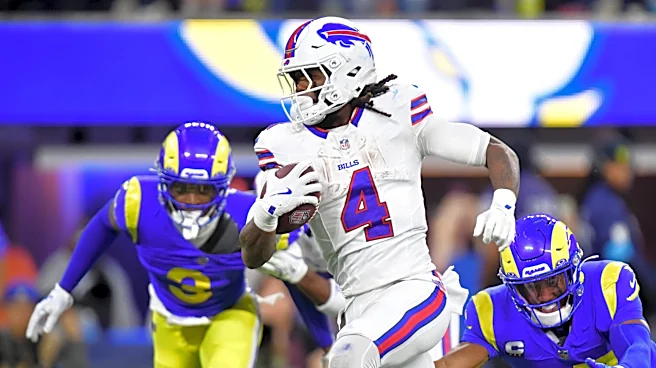
James Cook’s workload returned, along with the ball-security concerns. After receiving only 12 carries against New England, Cook carried the ball 25 times in Los Angeles. He turned those opportunities into 111 yards and two touchdowns, playing 40 snaps, or 62% of Buffalo’s offense. Unfortunately, Cook also fumbled twice. Cook’s snap count and rushing production were encouraging. His ball security nearly made all of it irrelevant.
Ty Johnson played only 14 offensive snaps, but his limited workload produced four receptions for 72 yards. Ray Davis received 10 snaps and added a 31-yard catch.
Buffalo kept using its tight ends without getting much production. Dalton Kincaid and Dawson Knox each played 45 offensive snaps, a 70% share. Jackson Hawes received another 28 snaps, while Keleki Latu appeared on three offensive plays.
The playing time did not translate into receiving production.
Kincaid caught one pass for seven yards. Knox caught one for six. Together, they produced two receptions for 13 yards on five targets.
Buffalo continues to devote substantial playing time to multiple-tight-end formations, but the passing-game return has disappeared over the past two weeks. The Bills dressed four tight ends and gave three of them meaningful offensive work, yet Allen received far more production from Johnson and Davis on a fraction of the snaps.
A depleted receiver room created an unusual distribution. With DJ Moore and Joshua Palmer inactive, Keon Coleman led Buffalo’s wide receivers with 45 snaps. Khalil Shakir followed with 44, while Skyler Bell played 39 in his NFL debut.
Shakir once again made his opportunities count. He caught all three of his targets for 80 yards, including a 57-yard reception in overtime.
Buffalo did not ask Allen to throw often, but when it needed explosive plays through the air, Shakir and Johnson provided them.

Eighty-two defensive snaps tell an uncomfortable story
Cole Bishop played all 82 defensive snaps. C.J. Gardner-Johnson and Terrel Bernard each played 78, while Christian Benford logged 77 despite temporarily leaving with an injury. Davison Igbinosun played 69 snaps, Bradley Chubb received 67 and Greg Rousseau played 66.
Those are enormous workloads, particularly for a defense missing Ed Oliver and Landon Jackson. They also reflect Buffalo’s inability to get off the field consistently. Los Angeles converted seven of 14 third downs and both of its fourth-down attempts. The Rams produced 33 first downs, scored touchdowns on all five red-zone possessions and held the ball for 37:57.
Deone Walker played 63 snaps, followed by T.J. Sanders with 51, DeWayne Carter with 37, Michael Hoecht with 30 and Greg Gaines with 26. Phidarian Mathis received 15 snaps after being elevated for the game.
Carter recorded Buffalo’s only sack. The Bills were credited with four quarterback hits, one each from Carter, Walker, Bernard and Rousseau. That was not nearly enough against Stafford, who completed 40 of 54 attempts for 383 yards and three touchdowns. Puka Nacua alone received 24 targets, catching 17 for 138 yards and a touchdown.
Buffalo’s secondary tackled well after the catch, with Bishop recording 11 total tackles and Benford adding 10. The larger problem was how often the Bills were forced to tackle. Los Angeles kept extending possessions.

Six special-teams snaps were enough for Rousseau
Joe Andreessen and Sam Franklin led Buffalo with 23 special-teams snaps apiece. Trent Sherfield, Latu and Javon Solomon each played 17, while Hoecht, T. Parker, Jordan Kilgore and Keonta Elarms-Orr received 16.
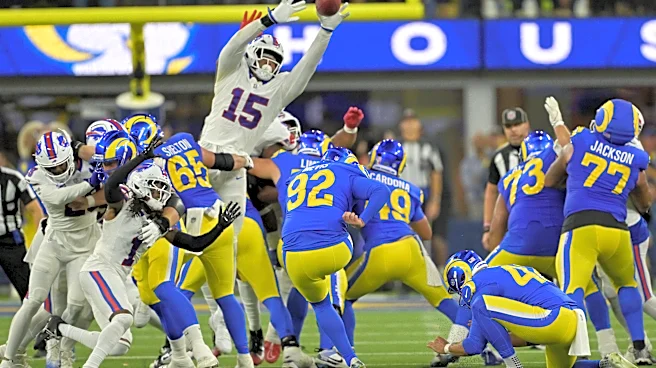
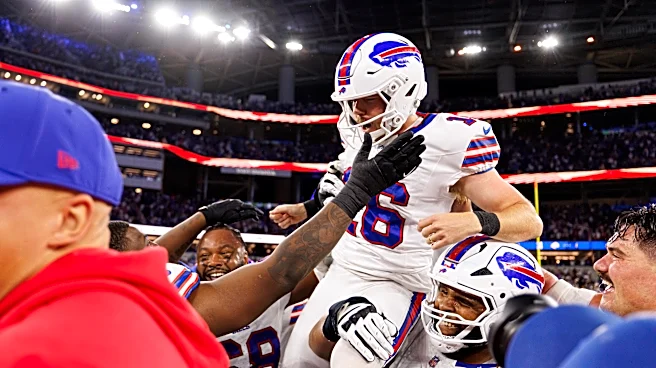
Rousseau played only six snaps on special teams. One was all he needed to make the biggest impact of the night.
Special teams had influenced the game from the opening kick. Davis returned it 70 yards to the Los Angeles 26, immediately placing Buffalo in scoring range. He finished with 114 yards on three kickoff returns, while Greg Dortch added 105 yards on four returns. Together, Buffalo averaged 31.3 yards per kickoff return.