

Earlier this week I posted an analysis piece about the Portland Trail Blazers’ recent draft history. Spoiler alert: it was not a pretty picture.
Today’s Blazer’s Edge Mailbag question comes in response to that post. It’s about a certain recently-departed executive who was meant to change the story. But did he? Let’s take a look.
Dave,
I read your article on draft history. Nice work. What happened to Mike Schmitz changing the way we drafted? He’s gone now but I expected more and I think everybody did
when he was hired. Was he overrated or did something else happen?
Tyler
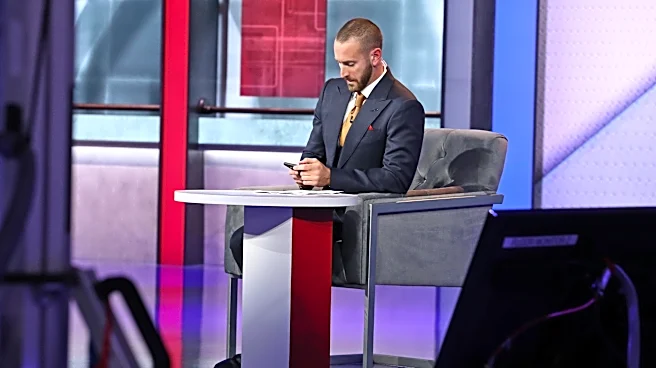
We need to clarify terms a little, I think. The Blazers hired Schmitz as Assistant General Manager in May, 2022. He came in at the tail end of the 2022 draft process. His tenure extended to just before the 2026 NBA Draft. Here’s are the players the Blazers selected during that time.
2022—Shaedon Sharpe, Jabari Walker
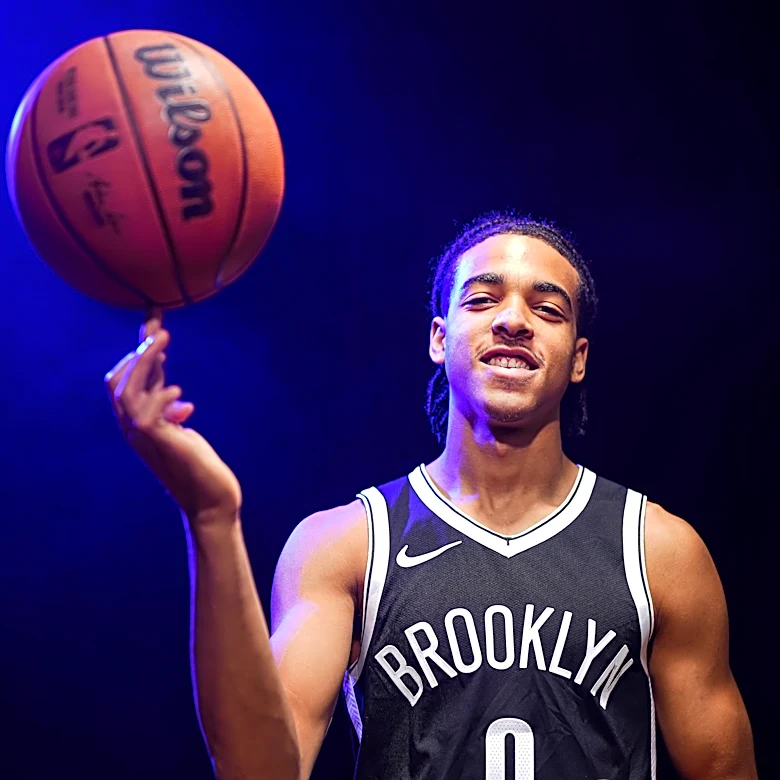
2023—Scoot Henderson, Kris Murray, Rayan Rupert (another prominent rookie that year: Toumani Camara)
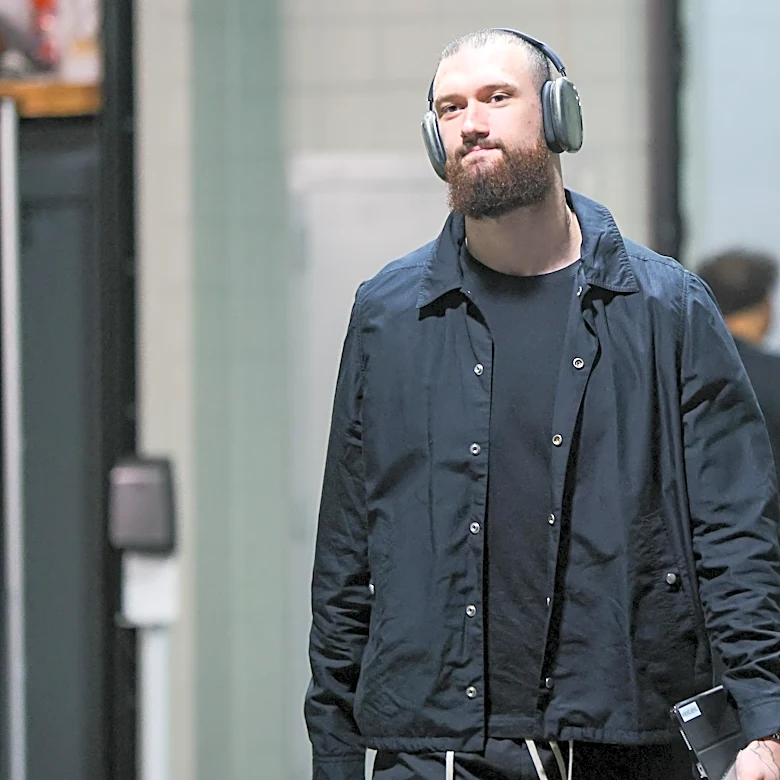
2024—Donovan Clingan
2025—Yang Hansen
2026—No Draft Pick
We can argue all day about the still-unfinished project that is Yang Hansen, but overall, that slate of candidates looks decent. I haven’t included the range of lower-level rookies like Caleb Love, Javonte Cooke, and Duop Reath. Not everybody is going to make the team or make an impact. But of the players listed above, a fair number of them turned out OK.
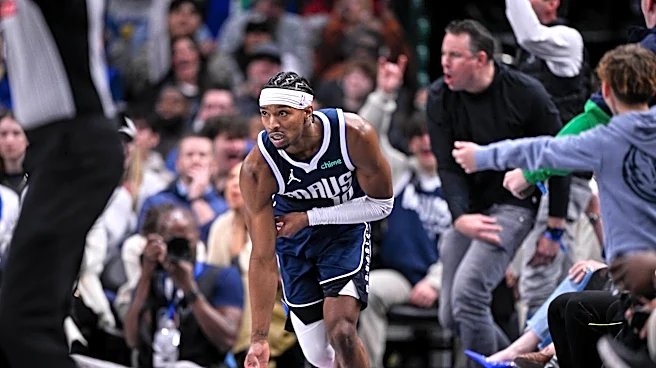
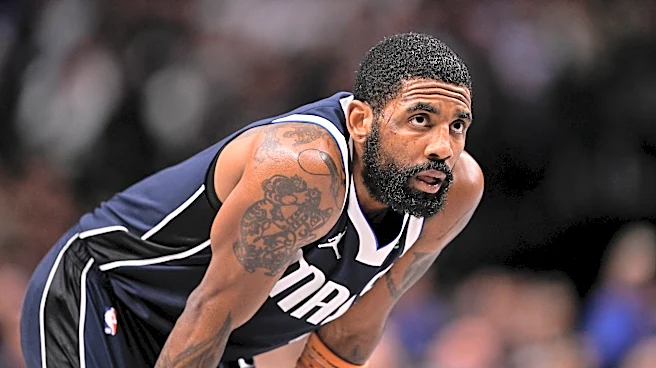
I would argue that Portland’s draft results during Schmitz’s tenure were better overall than they were in the five years prior, with the obvious caveat that the Blazers were in a rebuild during these seasons and thus had better pick position in general. Still, I’m not screaming, “Fraud!” or “Rip-Off!” when I see that list. Evidently the Dallas Mavericks thought so too, as they scooped up Schmitz with their change of regime this summer. He’ll have even more chances to show his talent there.
We could leave the discussion there, but in the spirit of the question, I’ll offer other observations.
The first is about media members who cross the rope into basketball operations. This may or may not apply to Schmitz. (He was a G League video coordinator before his media work took off, so he had some in-house background.) I’m just speaking in generalities here. Two things shade the transition between media and basketball.
First, fans know media members far better than they know scouts and lower-level personnel within the basketball universe. Any media member who gets noticed by basketball professionals is going to be pretty prominent on top of that, so double-underline this point. With fame and perceived knowledge come inflated expectations. Let’s face it, we’re getting this Mike Schmitz mailbag question because he’s MIKE SCHMITZ. If his name were Dougie Schlorp, nobody would have noticed. It’s smart to moderate the analysis accordingly. Once you take the job, it’s the same basketball job as everybody else has. You don’t get extra points (or extra ability) for being well-known to the public.
Second—and again, remember I’m not talking directly about Schmitz here—I have a personal thought when it comes to media members having to do the jobs they actually cover. It’s possible! I don’t think they’re any less qualified than others just because they came up through a different channel to the top. However, it’s always seemed to me like they’re speaking in a second language.
Media people are experts in media: how to observe, analyze, talk about, dissect, and report things. That’s slightly different than doing those things. The first can lead to the second, but it’s an adopted life, not the life you grew up in. A media person will have a slightly different cadence than a basketball lifer who came up grinding through the sport the same way a person adopting a second language will have a slightly different accent than an indigenous speaker. That’s not a comparison of quality! Many second-language speakers are brilliant, accomplished, and outshine native speakers at various tasks. But there’s an extra translation step in there. I think I know a few things about basketball, but a coach, scout, or executive is going to see those things naturally, automatically, in ways that I have to intentionally work at. That takes time, repetition. Just because someone looks and sounds good talking about something doesn’t necessarily make them great.
I say this not to slight media members, but to deeply honor the work in instincts of the people we don’t see. There are plenty of reasons to get excited about hiring nearly every scout who works for a professional team. We just don’t know those reasons because we don’t see the countless hours they spent traveling to obscure gyms on their own dime, skipping meals and calculating miles, all for the chance someday that someone might listen to them and their observations can be of service.
There’s one, final, global factor governing all of this too. I read, “Draft Expert” the same way I read, “Professional Gambler”.
Pro poker players and their ilk are smart. They know the game better than anybody. They have the odds clocked, the routines mapped, the experience to negotiate the world in which they operate. Sometimes they win big. That’s a glorious spectacle. Real talk, though: most of the time, they lose. The maths just don’t math right for anyone to win based on their skill alone, at least not over the long haul. You either get lucky (like getting the first overall pick every time a generational center graduates from college) or you take your wins and losses and hope to come out ahead.
The draft isn’t luck, but every team and GM will fall short just as easily as they succeed, simply because most of the players selected don’t make an impact, let alone a huge one. The hype surrounding each draft class far exceeds its cumulative effect, save in rare cases. And even those rare cases are down to a handful of amazing players selected by a fraction of the league’s teams. Most franchises still lose, even in great drafts.
I think it’s accurate to say that the Blazers need to draft better, in aggregate, because the NBA Draft is their clearest lifeline to relevance. It’s wishful thinking to imagine any one person—even a high executive—changing the tide singlehandedly based on their personal skill and position. The odds won’t let things work that way.
Thanks for the question! You can always send yours to blazersub@gmail.com and we’ll try to answer as many as possible!