
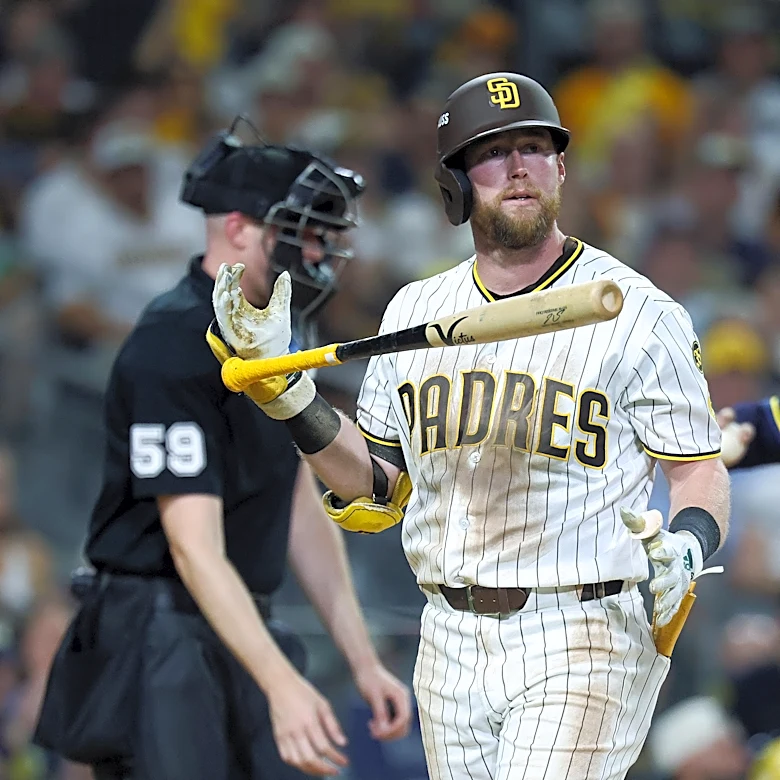

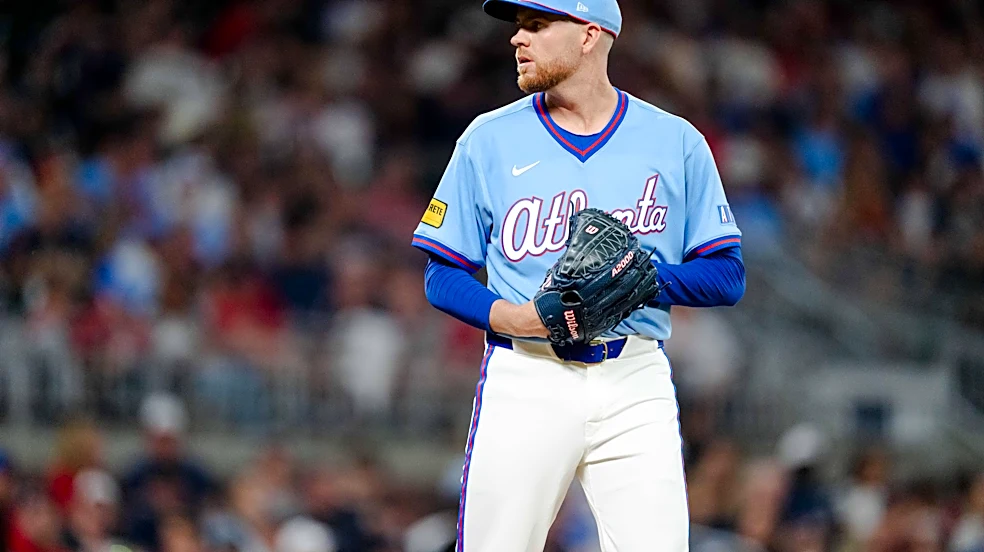

It would be unfair to blame Taijuan Walker for the 9-19 start and the firing of Rob Thomson, who was released after five miserable performances in the middle of the 10-game losing streak.
However, it is not unfair to use Taijuan Walker as a symbol of their biggest problem in 2026: failing to roster enough depth across the entire organization to overcome even minor injuries. They missed Zack Wheeler for 26 games to start the season and knew it was happening the entire offseason. Their starting pitching
depth began and ended with Taijuan Walker during that time.
They did not face many significant rotation injuries the entire season. The starting rotation of Wheeler, Cristopher Sánchez, Jesús Luzardo, Aaron Nola, and Andrew Painter made 146 starts of a possible 162 during the season. There were only two instances where a rotation injury came into play, to begin with Wheeler, and the end of the year with Jesus Luzardo. Both were clear disasters.
2026 stats: 5 games, 4 starts, 22.2 innings, 9.13 ERA, 14.8% K%, 9.6% BB%, -0.5 fWAR
What went right
Taijuan Walker pitched five games with the Phillies and they lost four of them. If you can read, you can see that they didn’t lose every single game he appeared in.
On April 11, Walker pitched five innings of two run ball with and recorded six strikeouts against the Arizona Diamondbacks. A perfectly solid outing for a number five starter, that is moving to the bullpen when their ace returns. They Phillies used five other pitchers to get through the game, including Orion Kerkering and Brad Keller, who did not last with the team the entire season for completely unrelated reasons.
Kyle Schwarber and Bryce Harper homered off Brandon Pfaadt, leading to a 4-3 win after Jhoan Duran closed out the ninth.
That one outing would end up mattering. If Walker put together one more stinker in a Phillies loss, both the Phillies and Diamondbacks would end up with the same record at 87-75. The Phillies do not make the playoffs and don’t have the privilege of getting body slammed by the Atlanta Braves in October to end the season.
In a way, Taijuan Walker is a massive part in the Phillies making the postseason. Think about it.
What went wrong
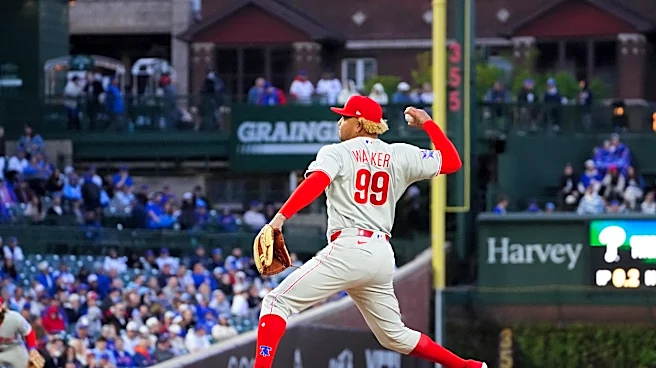
On a Wednesday night in Wrigley Field, Rob Thomson and the Phillies came up with a full-proof plan to fix Taijuan Walker. An opener.
Kyle Backhus would open against the top of the Chicago Cubs order, which included Nico Hoerner, Alex Bregman, and Seiya Suzuki in the top four. Walker would come in for bulk relief and the Phillies would pull off a crazy concept of winning a baseball game in April.
The Phillies lost this game 7-2, falling to 8-16 and were on the brink of firing Rob Thomson. Backhus surrendered a run in the first, Walker gave up five in bulk relief, and Alan Rangel came in to finish the final three innings to preserve the rest of the bullpen.
The Backhus-Walker-Rangel game is the lowest point in the losing streak. There is nothing else. How in the world did the Phillies think this was a strategy to deploy in a Major League Baseball regular-season game? How?
Just a complete failure from everyone, whoever you want to blame. It’s on them.
I will never forget the Backhus-Walker-Rangel game. Neither should you.
Final grade: F
This grade is not even as much about Taijuan Walker and how things went. As I stated earlier, he was a big part in the Phillies making the postseason.
This is on the organization for not providing enough pitching depth. They hung onto Walker for 22.2 innings because they had no other viable plan if a starting pitcher got hurt. It’s an organizational F. It’s more of an F on Dave Dombrowski and the entire Phillies organism than it is on Taijuan Walker.