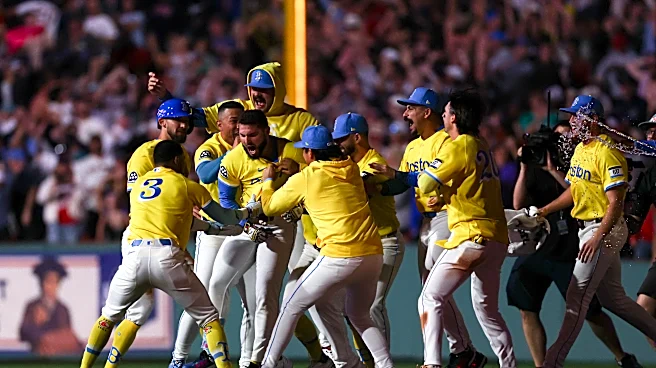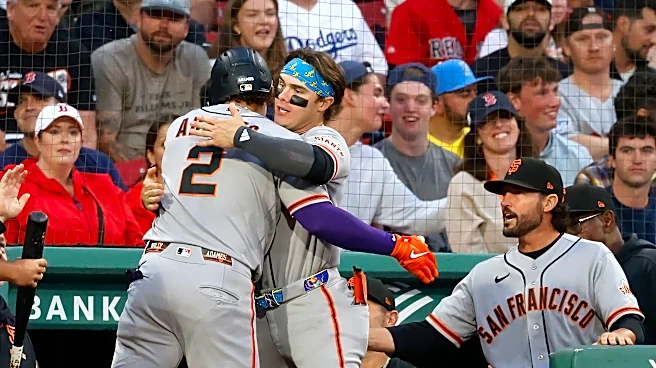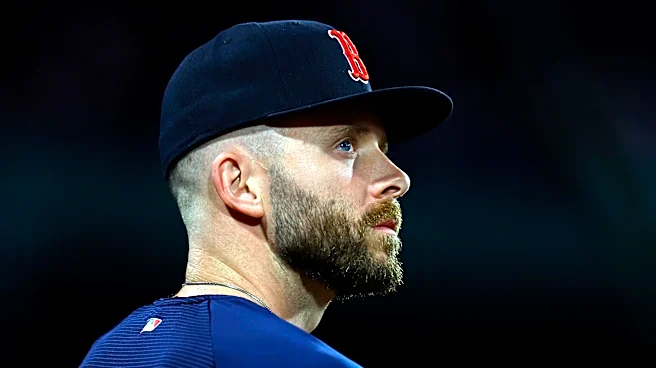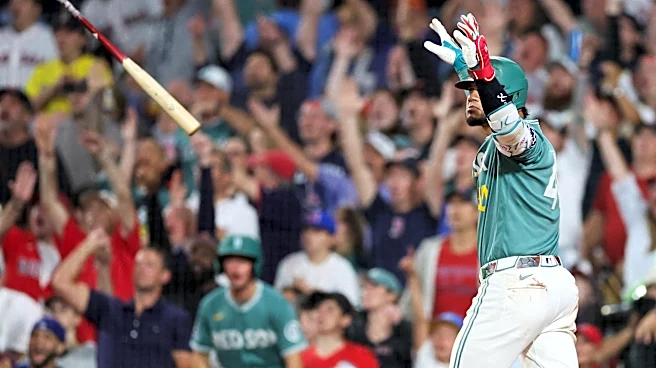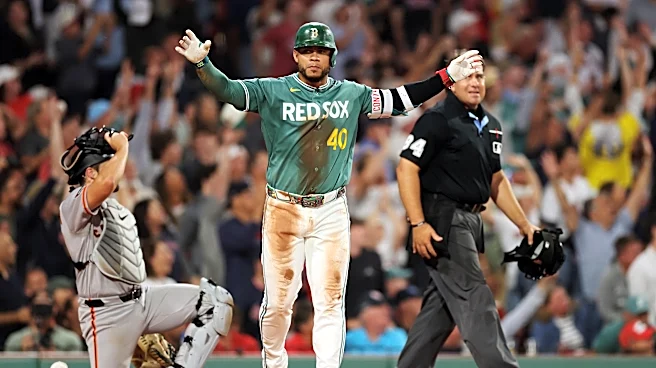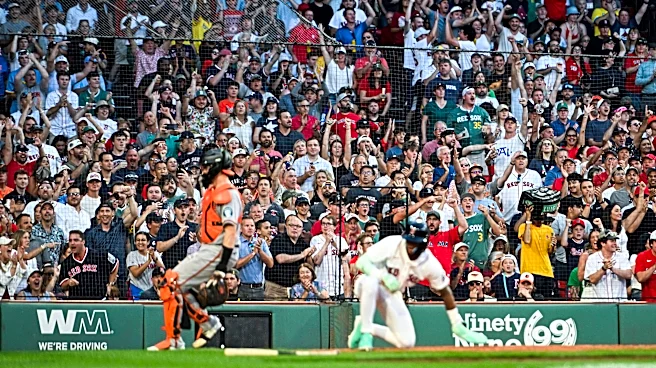

Saturday night, the Red Sox were down 2-0 heading into the bottom of the ninth against the Giants. The crowd had been anxious all game—understandably—but something shifted when Caleb Durbin led off the inning with a walk. The noise inside a 114-year-old stadium started to rise and crescendoed in a walk-off that encapsulates the luck and magic of the 2026 Boston Red Sox.
The walk-off itself wasn’t just something the crowd watched, though. It felt like something they willed into existence.
That’s what’s
been happening at Fenway Park this summer. A building and a fanbase that has decided it’s part of this team.
Sellouts, near-sellouts, 37,000-plus on a regular Friday night in August. You can cite the attendance figures, but the number that actually matters is decibels. Jerseys are coming off—the tarps-off phenomenon sweeping the bleachers, people yanking their shirts over their heads and spinning them in the air like rally towels. People in apartments on Boylston Street are posting videos of themselves hearing the roar from inside their living rooms. That’s not a normal August at Fenway, or at least hasn’t been for quite some time.
I was at last Monday’s game against the Diamondbacks, and the crowd there had that same edge—that sense that nobody in the building was treating this as a casual summer night out. Even in a blowout, it’s beyond apparent how engaged and just purely fun the stands at Fenway are right now. Yankees Suck chants breaking out unprompted, everyone screaming their heads off at Mr. Brightside during a pitching change, every single person leaping to their feet the moment Sweet Caroline came on. It was infectious. The energy is different this year. You can feel it the moment you walk through the gates.
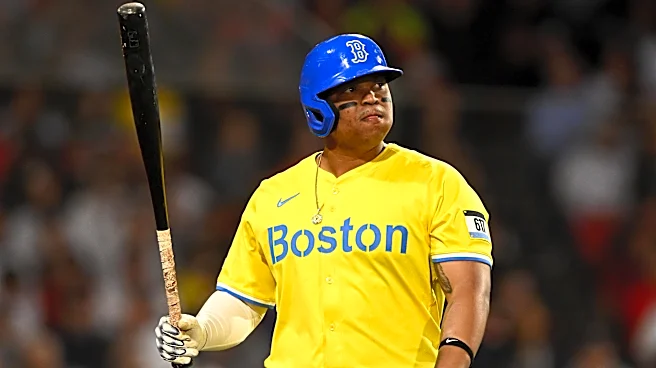
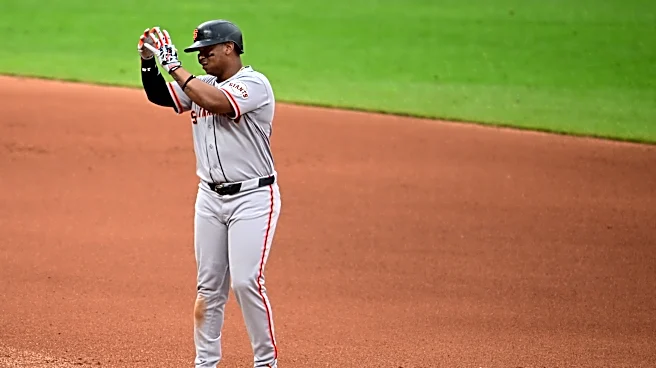
Friday night was the purest version of it. Rafael Devers walked out for his first at-bat back at his old ballpark and Fenway didn’t just boo—it rained boos on this man, 37,000 people making sure he knew exactly where he was and what this series meant. Whether you wanted boos or cheers, the crowd made its distain pretty well known, even to the chagrin of some other media pundits who were shocked there were so many jeers. Devers struck out. Later on, Willson Contreras hit one 450 feet over the Monster and the building became the loudest it’s been all year.
This is what a pennant race sounds like.
After a stretch of Red Sox baseball where the question was whether anyone was going to bother showing up—the pandemic years, the “rebuilding years” with Chaim Bloom, the quiet Septembers, the half-filled sections and the general sense of waiting for something to happen—this summer has felt like a reset, not just in the standings, but in the relationship between this team and this city. For the years of apathy that permeated from ownership and the front office on down to Red Sox Nation, there’s finally a well-earned feeling that everyone has bought in all at once.
The Red Sox are 25-11 since the All-Star Break, the best record in baseball over that stretch. They’re back over .500 at home for the first time since April 17th. They have strong footing in the Wild Card hunt. And Fenway has responded the way Fenway responds when it actually believes in something—which is with everything it has, every night, from the first pitch to the ninth inning comeback.
The crowd needs the team to keep giving them reasons. The team needs the crowd in September. Right now, both sides of that deal are holding up their end. And it has been one of the most raucous, engaged, alive stretches this ballpark has seen in a very long time.
Go outside and stand on Lansdowne Street some time. You’ll hear it.