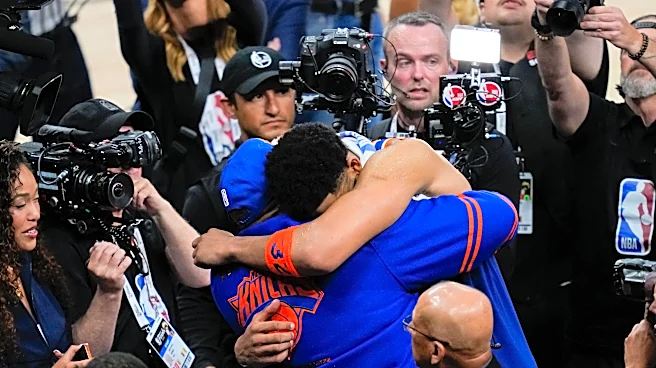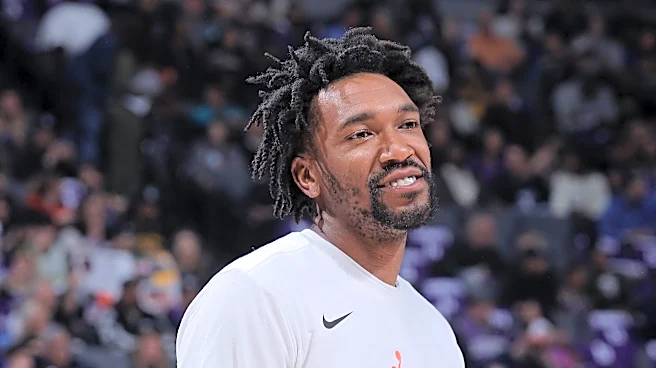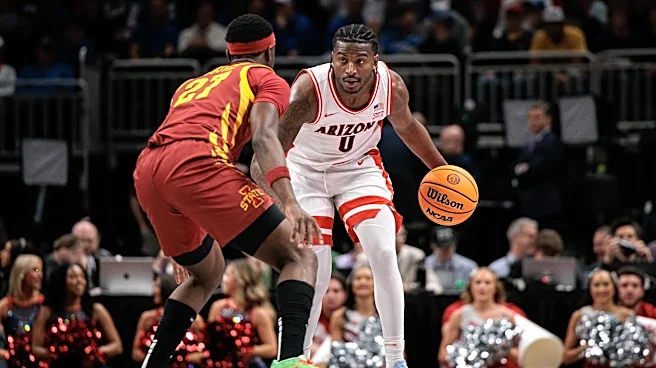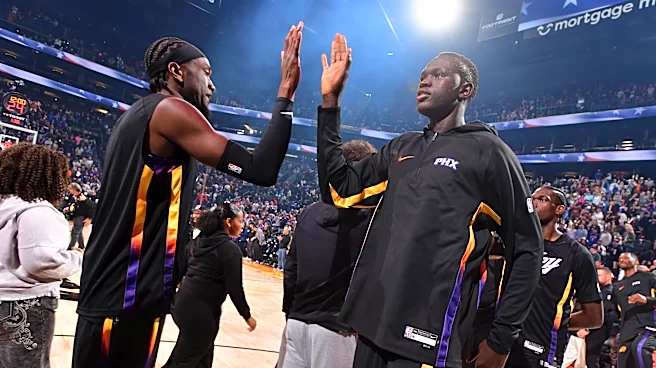




I was at the Barclays Center when it happened last year. As NBA Commissioner Adam Silver announced the Phoenix Suns’ selection of Duke Center Khaman Maluach with the 10th pick of the 2025 NBA Draft, the Shams Charania notification came in that Phoenix was acquiring Charlotte Hornets big man Mark Williams for the 29th pick and a 2029 first-rounder. It felt like a huge moment for the Suns and the future of their center position.
It was known when Phoenix selected Maluach that he was going to be a project. He started playing basketball as a teenager, and he’s one of the youngest players in the league. Pairing him with Williams, with whom he had a prior relationship as Williams went to Duke, made sense, especially with what center lineups looked like the previous two seasons with Jusuf Nurkic and Nick Richards manning the five and producing lackluster results.
In the first year of the two together, Williams played as the starter, while Maluach played third string behind him and Oso Ighodaro. When Williams missed time at the end of the year, Ighodaro started while Maluach played the backup five.
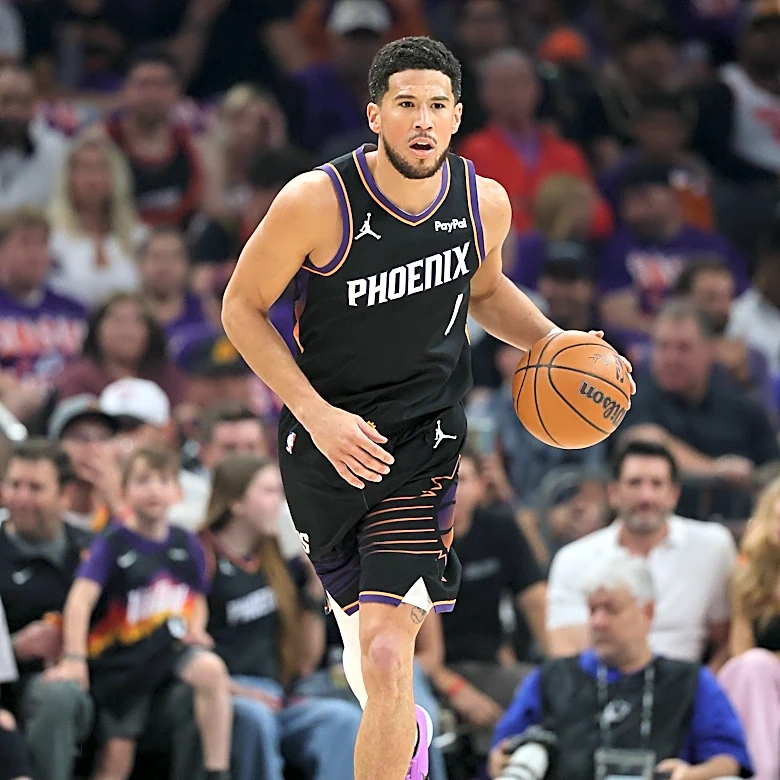
As Maluach now enters his second season and is widely viewed as the player with the most untapped potential on the roster to pair with Devin Booker, we’ve reached an inflection point in Williams’ tenure with the Suns.
Now a restricted free agent, if Phoenix feels Williams’ presence could disrupt Maluach’s growth, there should be concerns about what his future should be with the team, even if it means Phoenix gets rid of a player that they traded multiple first-rounders for. If the goal is to build another Finals caliber roster around Devin Booker, as team owner Matt Ishbia continues to say is the plan, acquisitions and signings can’t be made that block or prohibit the development of players with high-end potential.
With Maluach’s physical gifts (He’s 7’1” with a 7’7” wingspan) and willingness to shoot the three, Phoenix needs to ensure he has opportunities to grow if they view Maluach the way that many do, and if continuing to employ Williams hurts their vision for him, then serious conversations need to be had about whether they should resign him.
Playing the most games he did in his four-year career last season in his first with the Suns, Williams averaged 12 points and eight rebounds on 64% shooting from the field. Averaging just 24 minutes a game, Phoenix was very conservative with his minutes to help him avoid injuries.
While he played the most winning basketball of his career, he had just eight games with 20 or more points and only 13 games with two or more blocks this season. In 14 fewer games played and averaging nearly 15 minutes less per appearance, Maluach had eight games with at least two or more rejections. All of them came in the final 45 days of the regular season, as Williams missed significant time with a foot issue, demonstrating the growth he made throughout the season as a rim protector, and the value that he could provide when Williams wasn’t playing.
What Phoenix gave up to acquire Williams in 2025 shouldn’t matter for how they move in 2026. To accomplish their longterm goals, they need to move in the direction that they think gives them the best opportunity to surround Booker with top-end talent. If they believe keeping Williams disrupts that goal, then they shouldn’t resign him. The idea of what Maluach could be is too precious, considering the lack of assets Phoenix possesses.