
Retail therapy doesn’t work.
We know this, right? Buying something new for yourself — or even just considering buying something new for yourself — can provide a nice little jolt of dopamine. It can brighten up your day and, depending on what it is, help you imagine new and better future versions of yourself. This is true whether it’s something big, like a house, or something small, like a new pair of shoes.
But, ultimately, that jolt of dopamine is only temporary. Material objects — no matter how much
we lust over them, no matter what kind of future versions of ourselves they let us imagine — do not actually have the power to fix the underlying and fundamental issues that define the human condition. The existential realities of your life are not altered by a new pair of pants, no matter how comfortably they fit or how how much they make your ass pop.
It’s good to remind ourselves of this every now again. But baseball fans shouldn’t need that reminder. We have the trade deadline.
On the day that Adley Rutschman debuted for the Red Sox, I wrote about the annoying but stubborn fact that, because the trade deadline comes so late in the seasonand because baseball is a game in which any given player’s impact is mostly felt over the long haul, trade deadline acquisitions are rarely as impactful as we hope they’ll be:
Of the 44 remaining games, Rutschman’s probably only going to start around around 35 of them at most. If he maintains more or less the same level of production over those 35 games as he’s maintained all season, then we’re talking about 3-4 home runs, 6-10 doubles, and 25-30 total hits from Rutschman. That’s not that much!
Well, since that day, the Red Sox have played 22 games. Rutschman has appeared in 15 of them, making only 13 starts. He has just 1 homer, 1 double, and 9 total hits. He is slashing .170/.254/.245. And he’s not going to have much of a chance to bring those numbers up, because we’re going to see even less of him going forward:
I don’t think it’s fair to call the Rutschman trade a failure at this point, or even judge it all. There’s a not very far-fetched scenario wherein he comes back healthy next season and produces at an All-Star level. Maybe he even signs a team-friendly extension. Ten years from now we could look at the Rutschman deal as one of the moves that laid the foundation for a multi-year run of on-field success.
Bu, while it’s still too early to judge the trade overall, it may not be too early to judge the trade deadline — at least with respect to its impact on the 2026 Red Sox.
Viewed through the lens of helping the 2026 team, the Rutschman and Curtis Mead deals have been abject disasters. I’m not suggesting the logic behind the moves was bad — the Mead injury was as freak as it gets — but the results are what they are, and they are ugly.
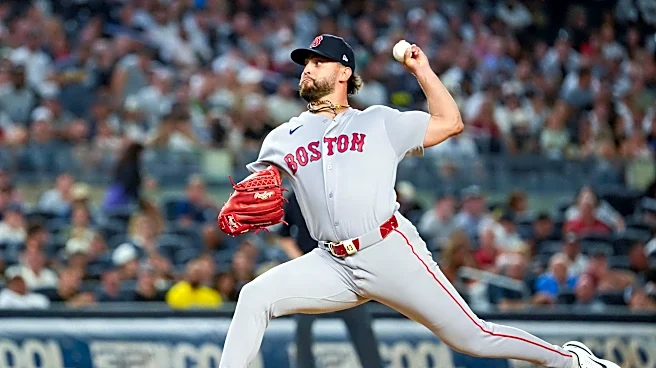
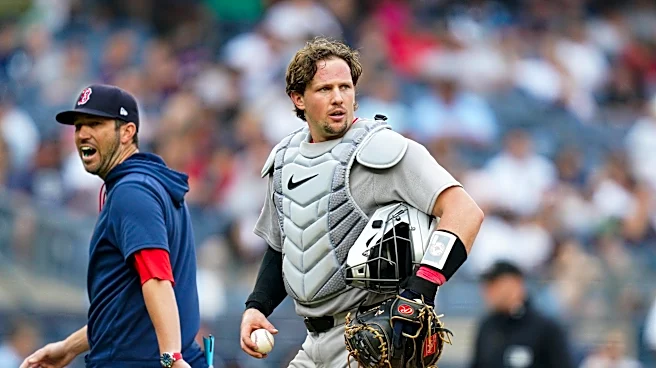
Eli White has been good as a role player, but he is very much a role player, having had only 33 at-bats. Jake Rogers was fun for a few days. Erik Miller is really the only trade deadline acquisition who has worked out, and he has worked out fantastically. But, even still, middle relievers are only so impactful.
The trade deadline — much like the fall shopping season we find ourselves in right now as summer wanes and a new school year begins — brings with it the promise of renewal. But that promise is rarely kept for long. It’s been one month since the deadline and the 2026 Red Sox are more or less the same team today as they were back then. And guess what? You’re going to be the same person in your new ass-popping jeans, too. That’s not satisfying, but it is an immutable truth about life, one that the Red Sox are learning all over again.