

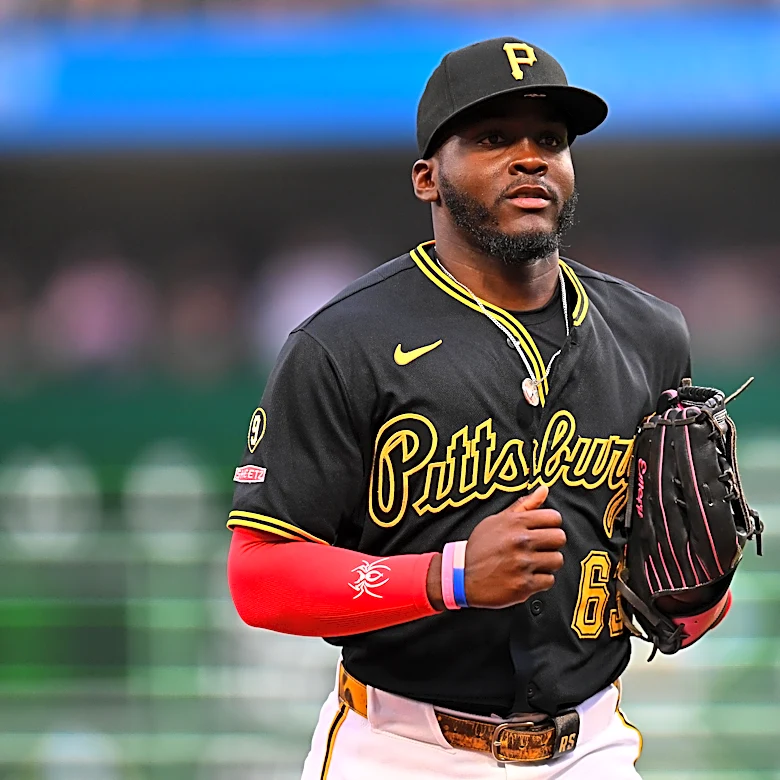


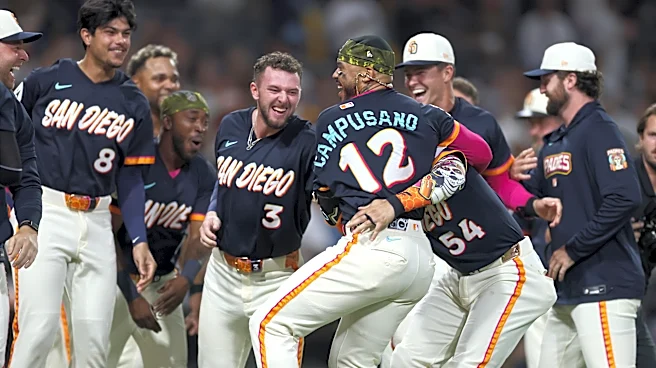
The Diamondbacks have gone 5-5 in their last ten as of writing, but still find themselves in an effective tie for the final Wild Card with the Padres. Are wins or just checking games off the schedule more important right now?
Justin 27: I think wins are most important, regardless of whether or not they are an NL team. I would rather win than go into the final series having played, “At least the Marlins/Padres/Cardinals lost today, too.”
Makakilo: It’s easier to play downhill; early wins are better than needing wins in the last few games of the season. Therefore, wins now are very valuable.
However, later wins are more likely because the Diamondbacks could get better in the last few weeks of the season. First, Marte’s .944
OPS since his return is encouraging. Second, Burnes will likely return on 8 September. Third, in the latest four games (thru 4 September), Carroll and Arenado slumped, and I’m confident that their excellent batting will soon return.
Spencer: Wins. Every win gets the team closer to the playoffs.
C. Wesley Baier: I think if the team can just get hot and win more than six in a row down the stretch, they don’t have to worry about much. To answer the question it’s both.
James Attwood: With three against the Padres to end the season, more wins are the key. Ideally, the Diamondbacks find a way to make sure that if they drop two of three at the end of the season, they still make it to October. In order to do that though, they are going to need to start stringing together some wins.
Ben: Every win is crucial right now. The team is not in a position where they can simply sit back and check games off and hope that the Padres or others lose. We’ve seen over the last two years how a single victory can make the difference between making and missing the playoffs and this year looks no different. It would not shock me if the race comes down to that final series of the season against the Padres in San Diego.
It sure seems like several of the players are playing hurt. Do you think its better for them to continue to tough it out, or to get healthy players in so they can rest in event of playoffs?
Justin27: I think it would be better to rest some of them, but the paradox is that you would be resting some of our better players that are capable of turning the game around (even though they are struggling). I’m not sure we have the depth to do that.
Makakilo: When Marte returned, his OPS increased from .765 (August) to .944 (games thru 4 September), albeit zero RBIs in 12 PAs makes it uncertain whether he made an impact . But with only weeks remaining in the season, and with the Wild Card race so close, there could be a very negative impact of Carroll or Arenado going on the 10-day injured list.
Spencer: I’ll defer to the teams expertise here. No one should play hurt, but the drop off from Marte to Fernandez/Vargas is so steep I understand the inclination.
C. Wesley Baier: Get healthy players and rest the players that are injured. There’s always a chance those players get hurt worse too, see Ohtani on the Dodgers. Him continuing to DH while he’s unable to pitch has just made him hit even worse. Playing through the injuries while you’re hurt is admirable, but not if you play badly it cost your team wins.
James Attwood: Depends on the knock. I really thought that Corbin Carroll might get that final game before the off day to rest so that he would get back-to-back recovery days. Apparently Carroll and Lovullo though otherwise though. With all the youth on the roster and the number of players who have returned from injury, it seems like this would be a good time to get them some reps while resting the key contributors for playoff ball.
Ben: It probably depends a little on the player. I love Ketel Marte (his latest shenanigans notwithstanding), but giving him some additional time off his feet and allowing his knee to heal more might be a good idea. But someone like Corbin Carroll is such a unique talent that even if he’s playing through some injuries – as seemingly everyone is at this point in the season – then there’s not much the team can do without harming their chances at victory. They could give some of these players a DH day or a day off here or there, but they don’t have the depth or place in the standings to allow all of them time to properly heal.
As of writing, the Diamondbacks haven’t scored more than two runs in their last six games. Is there a path forward to kickstart the offense?
Justin27: Sacrificing a live chicken after some of Jobu’s rum?
Makakilo: In April and May, the Diamondbacks had 4 game streaks with 2 or less runs scored. Each time, the streak was broken one game before the Diamondbacks went on a road trip. In September, they just started a road trip, which seems to be how they break this kind of streak. The next road trip is the last six games of the season.
Spencer: See the ball, Hit the ball.
C. Wesley Baier: No idea other than shaking up the lineup and resting those who are hurt and struggling.
James Attwood: It might be time for the team to start leaning into small ball. Start bunting for hits. Start stealing bases. Start manufacturing runs in general. If the players are simply putting the ball in play, they aren’t swinging for the fences. If they start letting the game come to them again, maybe they can finally get the timing down and get things rolling again.
Ben: I’m always a fan of trying new things out. So if that means more bunt attempts, more runners in motion, etc, I’m absolutely on board.
Why do you love baseball?
Justin27: It is slow enough that I can just have the game on in the back ground while doing something and watch bits and pieces. You can listen on the radio. For games in person, the atmosphere of the ballpark. I am not really sure I can quantify an answer.
Makakilo: Baseball is the perfect combination of emotional cheering at gametime, intellectual challenge to find relevant statistics, and discovering the marvelous & mysterious insights that competition reveals.
Spencer: Because my mom loves it. And because it’s so nuanced. And because the game itself is constantly changing, pitch to pitch. It’s a finesse sport with myriad outcomes at any given moment whereas most American sports are clunky and predictable. It’s so true that any team can win any game.
C. Wesley Baier: I love baseball because of the history and amount of detailed record keeping over the last 130 years. No other sport has this level of detailed history. It’s also not a sport necessarily built on pure athleticism, there’s all kinds of strategy involved. Most importantly, I love baseball because it has helped me forge lifelong friendships with other fans of the sport.
James Attwood: I was raised on baseball as a religion. This is what my grandmother and I spent our time watching when I was growing up. Add to that all the nostalgia and the long history of the sport, and it is right up my alley. Also, it was a game I could actually watch with regularity. Footy was rarely televised in Arizona when I was growing up. Take out Telemundo’s coverage and footy coverage was essentially non-existent.
Ben: What a lovely question. I love baseball for so very many reasons – from the place it holds for our family to the time of year it takes place. But I think more than anything, I love that baseball truly is a game of failure and redemption. How many times have we seen a player fail either at the plate or in the field and then immediately have a chance at redemption on the opposite side? I love that failing 70% of the time at the plate means you’re one of the best hitters in the league. I love that there isn’t a clock (for the most part) and that attending a game in-person means you can have a genuine conversation with your family and friends. None of this is unique or hasn’t been said by others more eloquently, but these are just some of the reasons I love this silly, stupid, wonderful game.