


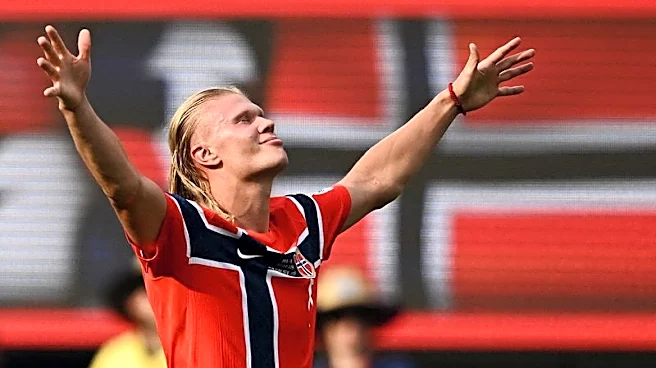


The saddest outcome of this was that Norway disappointed a larger fanbase than they’d ever signed up for.
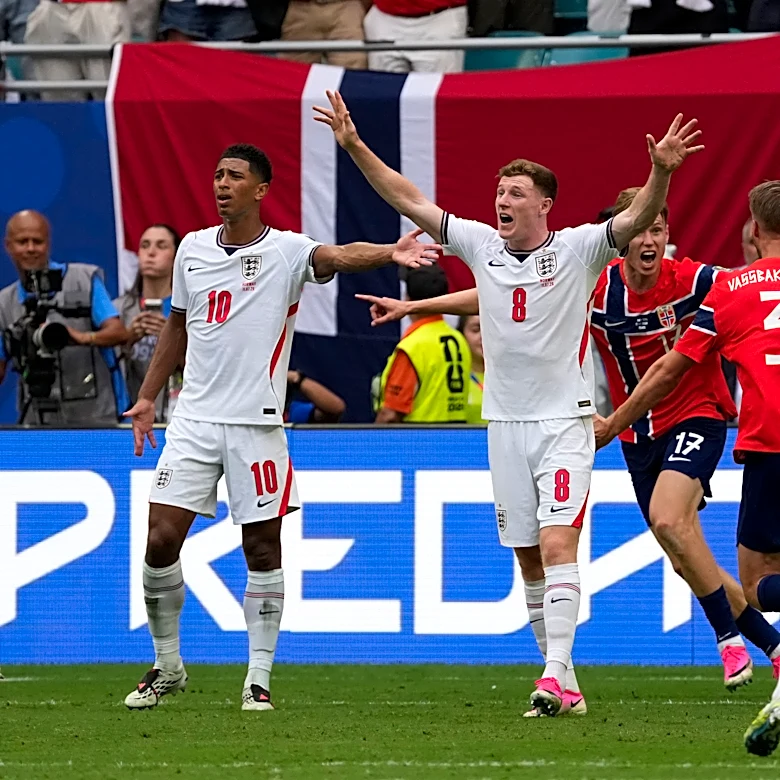
England faced Norway in the quarterfinals of the 2026 FIFA World Cup. England had last won the World Cup in 1966, defeating West Germany, and modern English teams have struggled to find their footing in international tournaments. Norway on the other hand, came in, with their best World Cup so far, in history. The Norwegians had earlier set sky-high expectations, after sending Brazil home in the round
of 16. England may have won after fighting tooth and nail for 120 minutes, but Norway takes home a larger fanbase than they ever could have imagined. Here are the observations from the game.
Survival mode
Do not let the result fool you. This was easily England’s toughest game in this World Cup so far.
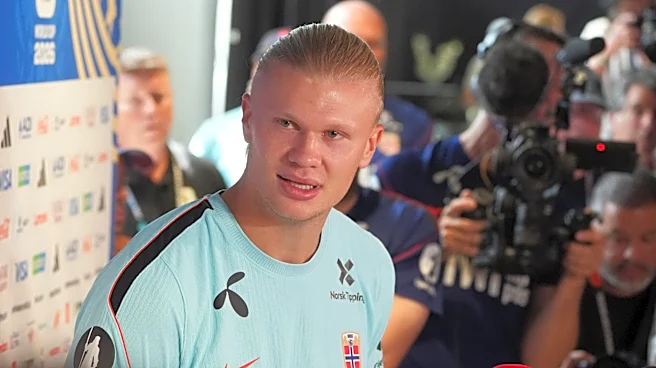
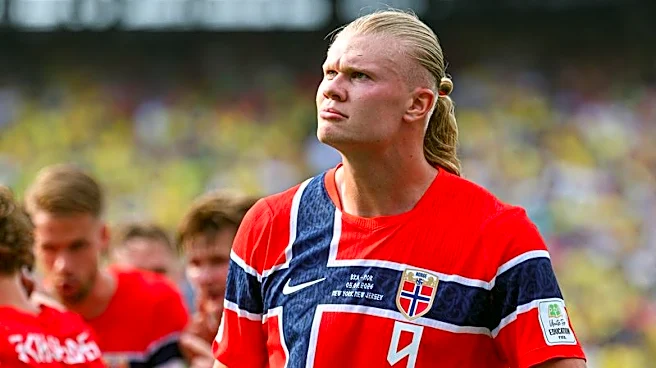
If one had to state Haaland’s importance for Norway, it would be through this game.
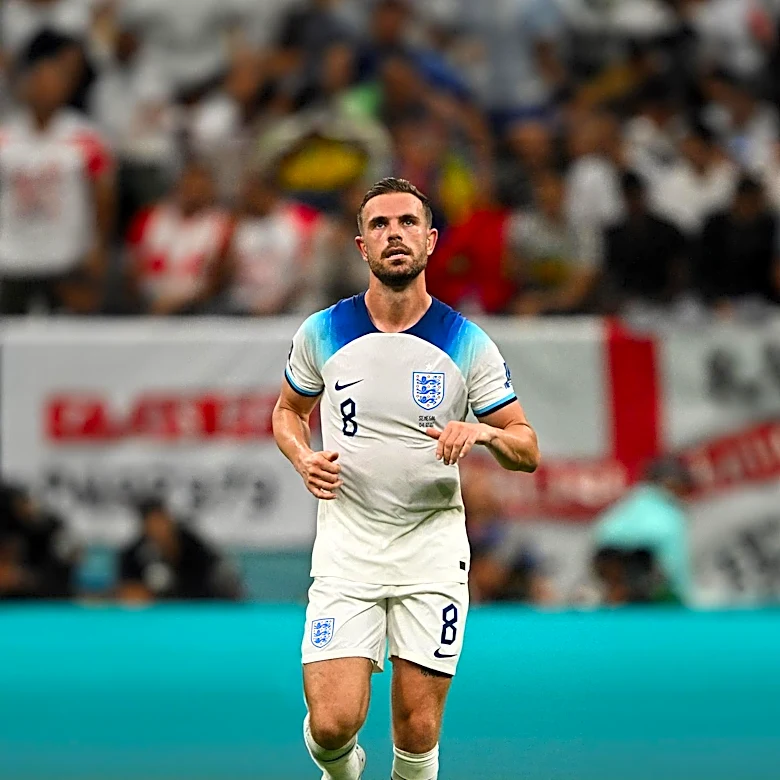
He was not just performing the role of a goalscorer or a creative attacker. English defenders Marc Guéhi and John Stones were practically being dragged around by him throughout the 100 minutes he played. He occupied defenders, thus creating avenues for his teammates to run in for attacks. The midfield was constantly spotting weaknesses in England’s setup and especially the half-spaces were often identified by Norwegian wingers and capitalized upon. The Three Lions were constantly forced to keep thinking of their next best step while Norway through sheer grit, held England stretched to their limits.
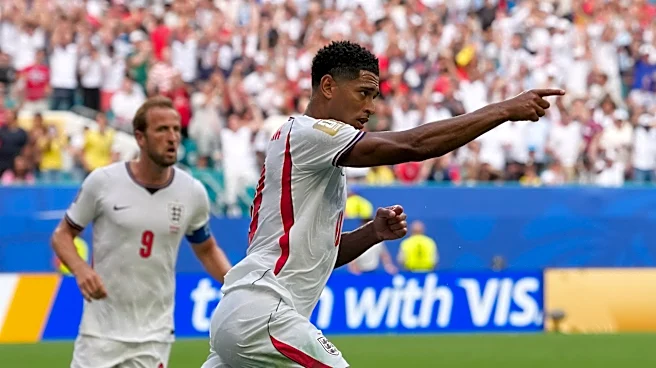
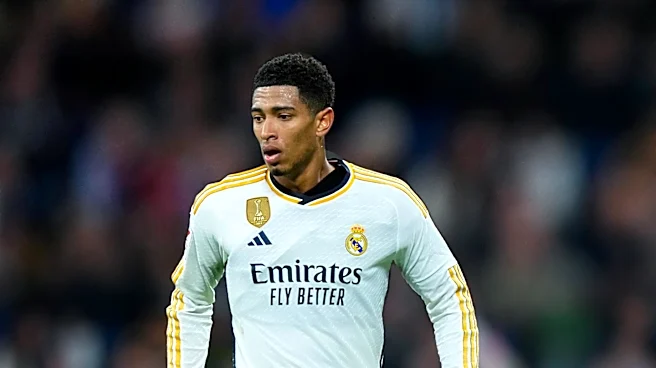
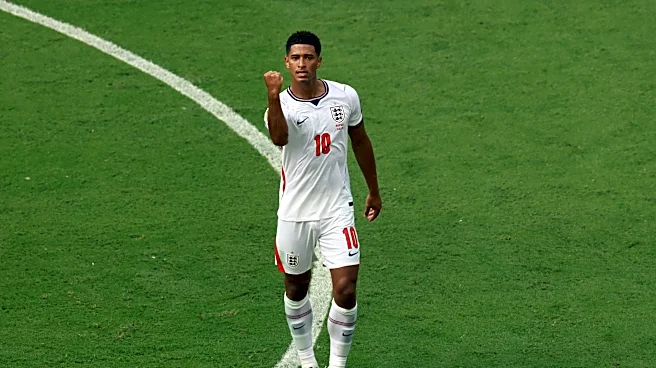
Case in point: by the time Jude Bellingham was substituted, you could see the exhaustion in his eyes. The only person who looked as exhausted perhaps, was Haaland, who too was subbed off. More on that in the next section.
Where Norway failed
Many might look back at the game and assume Norway lost because of the substitution of Erling Haaland. While that could be a part of the truth, the circumstances behind the defeat look far more complex than just a simple substitution — even if he was their best player ever.
Towards the end of the game, Norway were running on fumes. When your squad is exhausted from the nature of the game and also the scorching heat, they are more likely to make errors. Would you rather have your best player stay on, half oriented, only to make “the biggest error of his career” from exhaustion? Probably not. Far too many goals in this tournament have come from plain errors and misjudged actions.
Not every national team has the liberty to maintain the same level of quality through their starting XI and the bench. Tuchel started making the subs for England and his options included the likes of Bukayo Saka and Eberechi Eze.
The Norwegian press was no longer in synch. Their timing was off, they were exhausted and they could no longer do justice to the physical or the mental aspect of it. When your defense is tired, it creates a domino effect where the onus falls on whoever is ahead. But what happens if all your players are just as tired? They create spaces that fresher legs and clear minds can make use of.
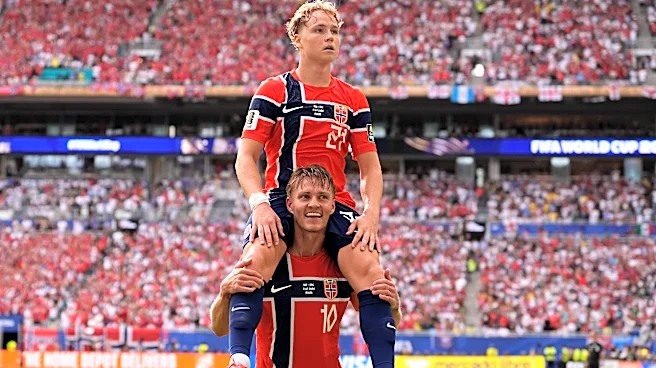
The exhaustion also saw the fall of their creative outlets through the midfield with Martin Ødegaard. He was often functioning in isolation and hence was also unable to feed Haaland.
A team that was a true failure, either tactically, or by mismanagement, could not have continued to stretch their opposition thin through extra-time. Norway did that. Whether or not in hindsight the decision to sub out Erling Haaland looks right, Ståle Solbakken made a difficult decision in his player’s favour. And that is frankly far better than managers who have forced their best to play through injury and exhaustion.
“… Answer the phone, Harry, you’re no good alone…”
The Ghanian Witch Doctor should be taking masterclasses on cursing Bayern Munich players. First it was Harry Kane in the group stage. Then it was Luis Díaz in the knockouts.
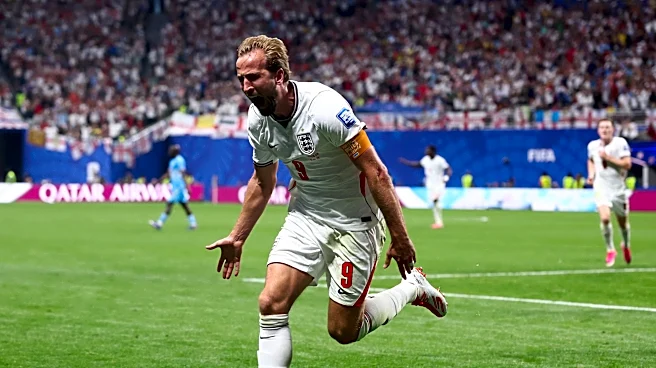
Thomas Tuchel has been watching too many Bayern games off late. And it was far too evident if you watched the role Kane was forced into.
Under Vincent Kompany, the striker exemplifies the role of a quarterback. Dropping deep, almost at the number 6 position, he helps maintain possession, connect the midfield to attack, and most importantly, he’s often the reason Aleksander Pavlovic is able to run the midfield alone. However, this is a transient position and as the attack progresses, so does Kane. I think this is the part where Tuchel turns off the TV or gets distracted, because how else do you explain a star striker sitting deep for the duration of the final third too?
Your best striker is practically in another planet when the ball is being progressed.
Another important facet? Norway. Again, do not let the stats fool you. They may be rated low for conceding twice. But they did one thing right, and that was holding Kane in narrow spaces with very little avenue to move. With Kane deep in the pitch, Bellingham was often the one to occupy the box. In hindsight, this worked, since he put up a phenomenal performance, reacting quickly to Norway’s errors. But it required Kane’s sacrifices.
The stats will not tell the story of Harry Kane. But the game did.
Join the conversation!
Sign up for a user account and get:
- New, improved notifications system!
- Fewer ads
- Create community posts
- Comment on articles, community posts
- Rec comments, community posts