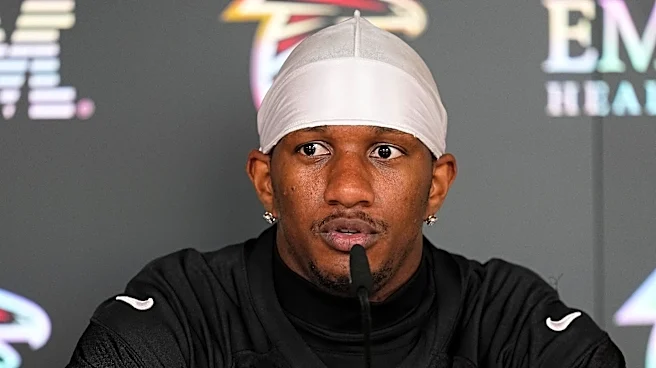



When Michael Penix earned NFC Offensive Player of the Week honors after Week 7, the debate over his future as the Atlanta Falcons’ franchise quarterback seemed settled. Yet a month later, the conversation has shifted entirely, with the pivotal decision over whether to exercise his fifth-year option before May 2027 looming. Back then, taking the option seemed a no-brainer; today, his recent skid and injury history make it a much more divisive gamble. Without a strong finish to 2026, the Falcons face
the harsh reality of declining Penix’s option and turning 2027 into a make-or-break prove-it year.
What the option costs for Atlanta
Exercising Penix’s option fully guarantees his 2028 salary, whereas declining it puts him on track for unrestricted free agency after 2027. OverTheCap currently projects the base-tier quarterback option at roughly $25.7 million, an average of the third- through 25th-highest-paid passers over the past five seasons, since Penix can no longer reach the playing-time and Pro Bowl escalators required for higher tiers. Fortunately for Atlanta, the early-May deadline comes after both free agency and the 2027 NFL Draft, allowing head coach Kevin Stefanski and GM Ian Cunningham time to explore all their quarterback options before committing to Penix.
The case for: Bryce Young’s blueprint
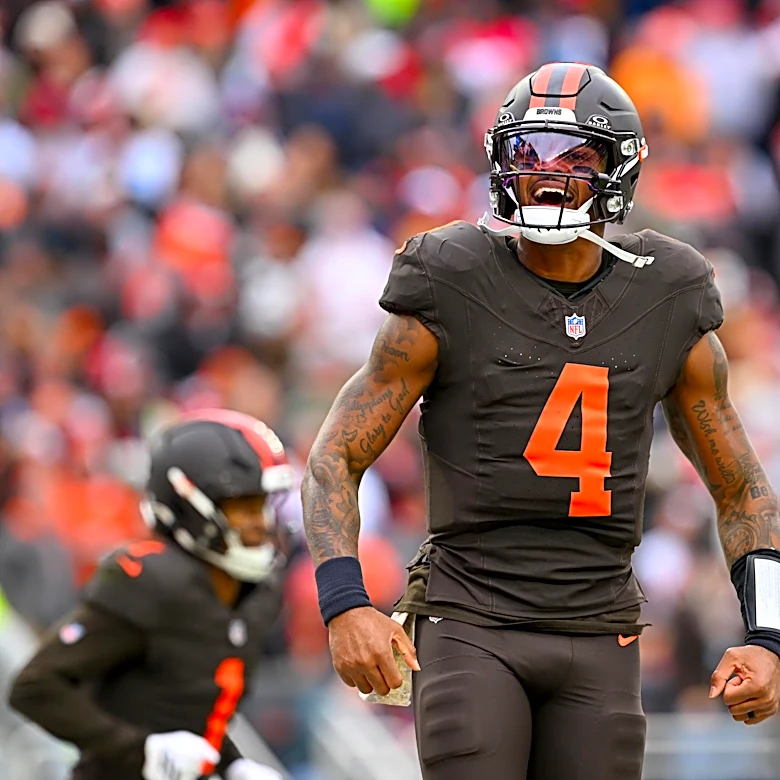
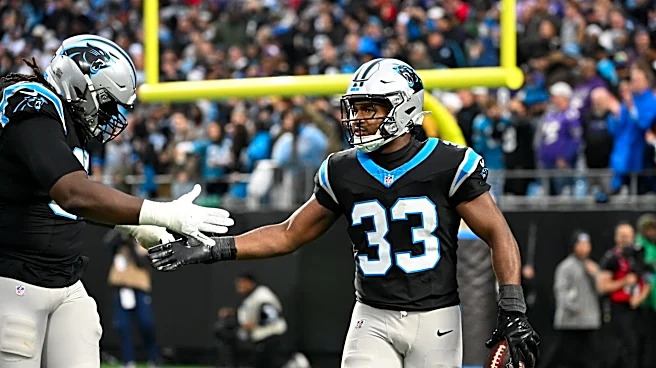
Atlanta’s division rival Carolina has already paved the way by exercising Bryce Young’s $25.9 million option this past spring. Young showed year-over-year improvement, even if modest, giving Carolina reason to think the trend would continue with more time. Penix’s trendline isn’t as neat, thanks to his recent struggles, but if you remove his awful monsoon performance in Tampa, his numbers have improved slightly in several efficiency metrics, including completion rate and passer rating, compared to last year.
There’s also significant financial advantage to picking up the option. If the Falcons decline Penix’s option and he plays well in 2027, they’d have to extend or use a franchise tag, set to increase from the $50 million projection in 2027. Picking up Penix’s option could save Atlanta roughly $25 million in cap space for 2028, giving Stefanski and Cunningham greater flexibility entering a pivotal third year.
The case against: Anthony Richardson’s risk
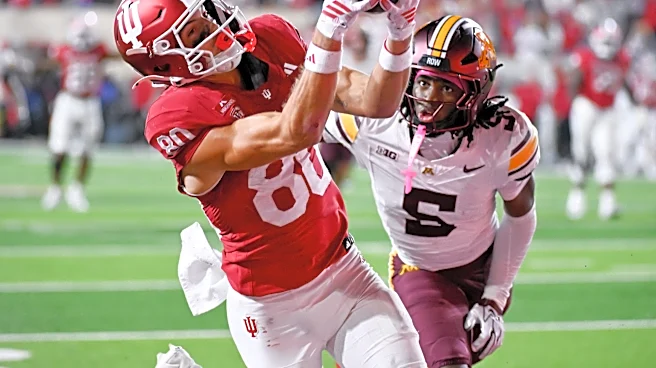
However, the decision isn’t as neat and tidy due to the complications of Penix’s injury history. Five season-ending injuries over the last eight years, dating back to his freshman year at Indiana, invite risk. If Penix suffers another serious injury setback in 2027 after exercising the option, the team would be on the hook for his full 2028 salary.
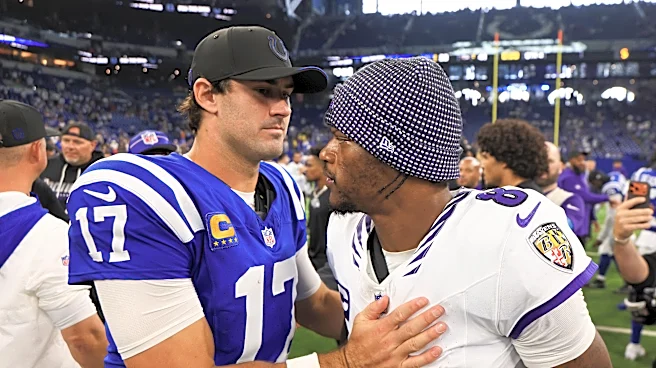
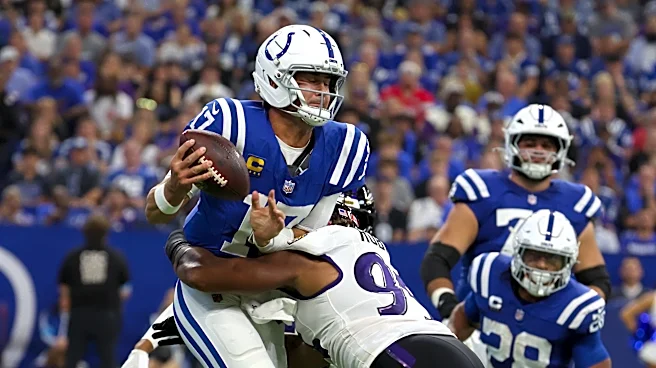
Atlanta only needs to look at Young’s 2023 draft companion, Anthony Richardson, as a cautionary tale. The Indianapolis Colts declined Richardson’s option because frequent injuries kept the team from fully evaluating him. Richardson missed over 50 percent of games in his first two years, and another injury derailed his 2025 camp competition against Daniel Jones. Injuries have kept Penix out of 37 percent of the Falcons’ games over the past two seasons, impeding his development. Neither Atlanta nor its quarterback can afford another health setback.
No middle ground left
If Penix finishes 2026 healthy and sharp, trending up on the field, the Falcons will likely throw caution to the wind and pick up the option. Anything short of an emphatic finish, however, pushes the Falcons toward declining and using their projected $100 million in 2027 cap space to aggressively pursue competition, if not an outright replacement at quarterback this offseason. Right now, the decision feels like a coin flip. Over the next seven weeks, Penix will decide which side it lands on.