




The Cleveland Cavaliers are four games away from the NBA Finals. Here’s how they can get ‘em.
1. Clean the Glass
Everyone remembers 2023. If you don’t, I’ll quickly remind you.
The Cavs were thumped 4-1 by the New York Knicks in this core’s first playoff run together. Primarily, the Cavs found themselves being thrashed on the offensive glass.
A lot has changed since then.
For starters, the Knicks have traded out some bruising rebounders like Julius Randle, Isaiah Hartenstein, and RJ Barrett for more finesse-oriented players
such as Mikal Bridges, Karl-Anthony Towns, and OG Anunoby. That hasn’t made them a bad rebounding team by any means (they’re still an elite defensive rebounding team), but it’s changed them from being a grit-and-grind squad to a team that relies on skill. They don’t live and die on offensive boards as much as they did in the past.
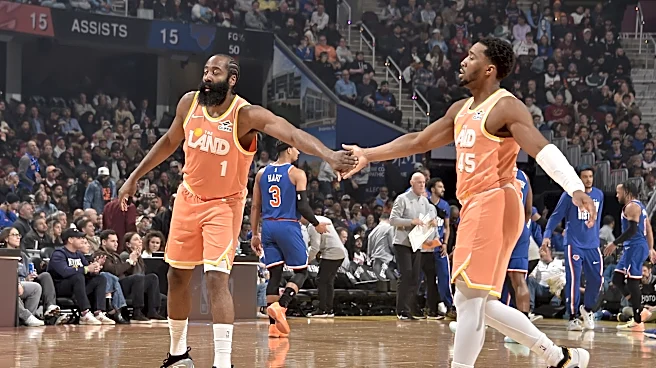
Cleveland, meanwhile, has made plenty of changes of their own. Both Jarrett Allen and Evan Mobley have come a long way since taking those lumps and have turned in the best two rounds of their postseason careers. And, players like James Harden and Max Strus give the Cavs a better chance at gang-rebounding than either Darius Garland or Cedi Osman provided back in 2023.
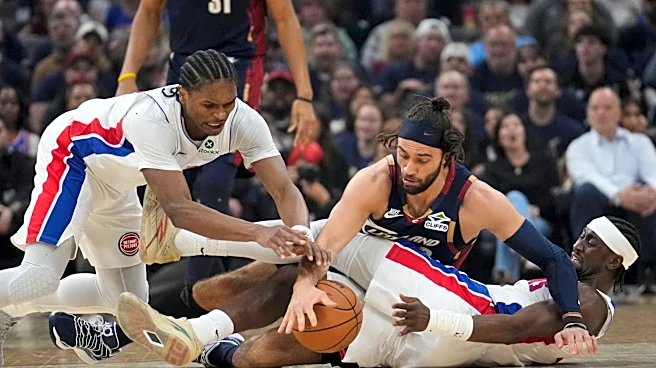
Yeah, like I said, a lot has changed. But some things stay the same. Winning the possession battle will be a key here.
The Knicks rank 5th in offensive rebounding percentage out of 16 teams to reach the playoffs this season. This is still one of their strengths. As for the Cavs, they’re just 14th in defensive rebounding percentage — meaning they’ve been getting beat on the glass for most of the postseason.
That could spell trouble. Though it’s worth noting that Detroit ranked 2nd in offensive rebounding for the season, while Toronto was 13th. The Knicks had a much more favorable route from this perspective, facing the 76ers (10th in offensive rebounding rate) and the Hawks (20th).
The final dose of context here is that Cleveland actually ranks first in offensive rebounding among 16 playoff teams. For all they might give up defensively, they’ve made up for it by pounding the other side of the glass.
The Cavs have grown since their last meeting with the Knicks, and they have since beaten two opponents who are more similar to the ‘23 Knicks than the current New York team is from a stylistic standpoint. Still, all of this will be put to the ultimate test in the ECF.
2. Feed the Bigs
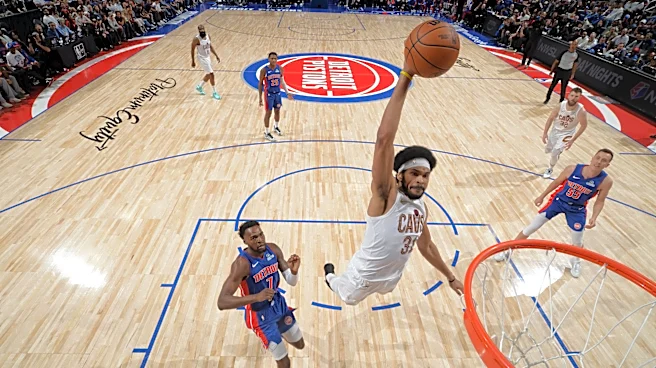
If you think the Cavs are at their best when they feed the bigs, then you and Dan Gilbert are on the same page. Gilbert reportedly called Kenny Atkinson before Game 7 against the Pistons and reminded him of how important Jarrett Allen is to the team’s success.
In other words, Dan is a Fro truther.
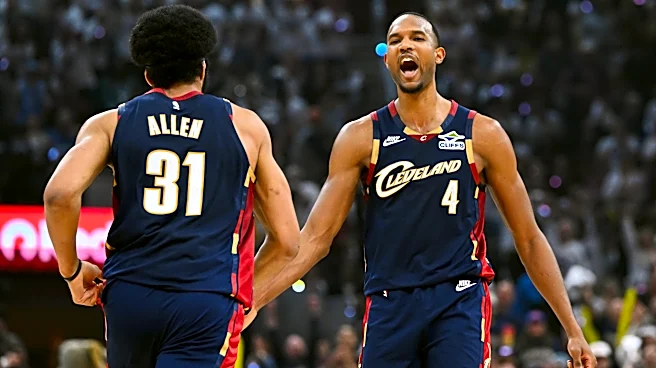
I can’t blame him. It’s always felt like ‘Cavalier basketball’ was synonymous with the two bigs dominating on the inside. Allen’s dominant showings in both Game 7s this postseason are a great example of this. The pressure he puts on the rim can break the back of any opponent if the Cavs guards keep them involved.
Obviously, it’s more complicated than this. Opponents can shrink the floor and effectively remove the pick-and-roll from Cleveland if they have the personnel. We saw both Detroit and Toronto succeed at blitzing these actions and keeping the Cavs from consistently tapping into their full potential.
I’m not sure if New York has the bodies to replicate this.
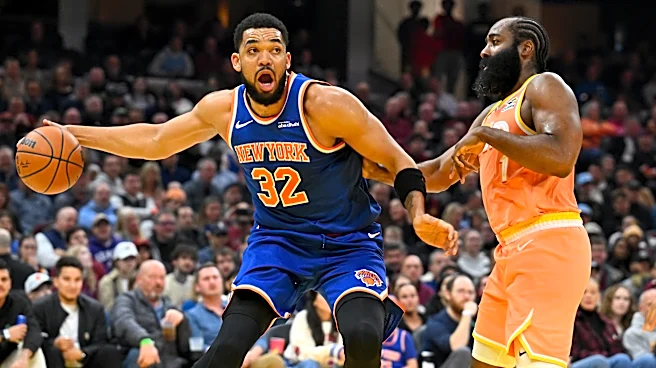
Josh Hart and OG Anunoby are worth worrying about. Mikal Bridges, depending on his screen navigation, can cause problems too. But Jalen Brunson and Karl-Anthony Towns are walking bullseyes. The Cavs have not had two targets more ripe for picking in screening actions.
Towns isn’t mobile enough to switch onto the perimeter. He’s also not the best drop defender in the world, either. Add that Brunson is prone to dying on screens, and the Knicks will be working hard to keep those two from ever being in the same defensive sequence together. The Cavs, of course, will try to make that happen as often as possible.
Above all of this — New York’s rim protection is questionable, at best. Opponents have shot above 70% at the rim in the playoffs versus the Knicks, which is the fourth-highest percentage out of 16 teams. The Cavs, led by Allen and Mobley, are the third-best rim-finishing team in the postseason. This could be a massive advantage for Cleveland in this series.
On the other end, New York is sixth in rim accuracy and first in rim frequency. Meaning, the Cavs will have their hands full, too. Though I think the Allen/Mobley frontcourt is more equipped to handle this than anyone in Atlanta or Philly (with all due respect).
Winning on the glass is one thing. But being the more forceful and impactful frontcourt is another. The Cavs bigs have a chance to own both paints. The more they seize control of the interior, the better chance Cleveland has at reaching the NBA Finals.
3. Donovan Mitchell’s Balance
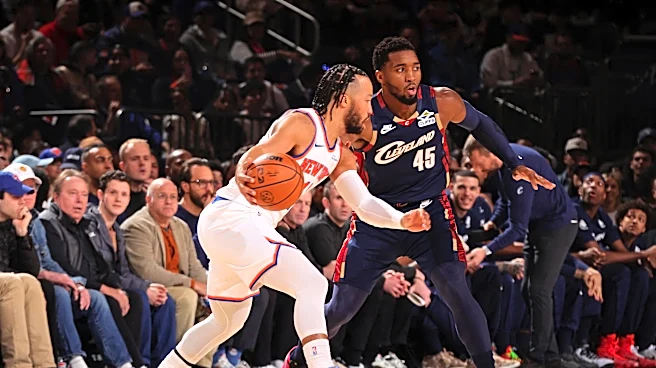
Our final key could be the biggest one. What version of Donovan Mitchell appears in the ECF?
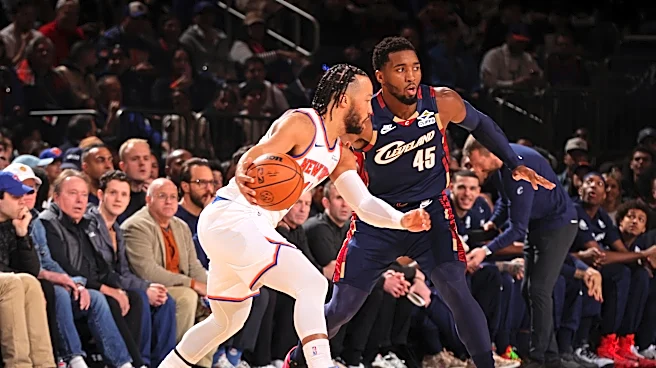
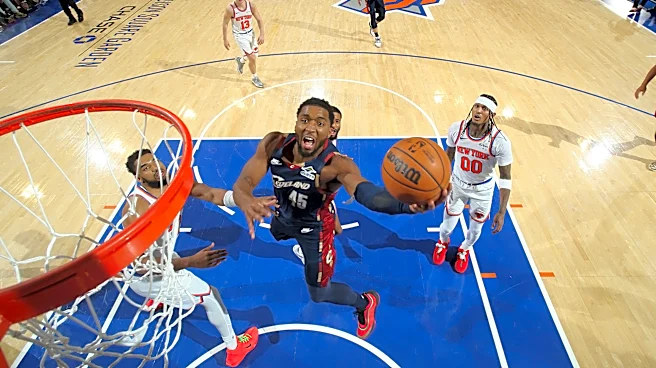
Mitchell can score in bunches; that much has been proven. He’s had some of the most prolific scoring games in playoff history. But those haven’t always translated to winning. And, that approach hasn’t been sustainable for long playoff runs. Mitchell is more likely to burn bright and quick than he is to go the distance with that score-first mentality.
That’s why the Cavs need him to strike the proper balance between passing and scoring. It all comes down to decision-making.
Mitchell has to make reads on the fly. Is the help overcommitting? Make the right pass, even if it’s not going to lead directly to an assist. Hitting those ‘singles’ and letting the offense flow from there is crucial. Otherwise, things can get jammed up in a hurry.
The Cavs beat Detroit in Game 7 largely behind Mitchell’s processing speed as a passer. This isn’t his greatest strength, but it’s a muscle he’s been able to occasionally flex. He has strong playmaking chops when he makes an effort to act like a point guard. Taking on that role, for long stretches at a time, will ensure the Cavs offense can keep up with anything New York does.
Mitchell’s time to score will come. Every game will have a moment that calls for him to become assertive. In Game 7 versus the Pistons, it was the third quarter when the rim pressure from Cleveland’s bigs, combined with Sam Merrill’s hot shooting, opened the floor for Mitchell to score 15 of his 26 points in the closeout game.
Being process-oriented means making the right play at every turn. That requires patience and a trust that the correct process will eventually break the dam on any given night. Mitchell will have to take this approach if he wants this team to advance to another round.