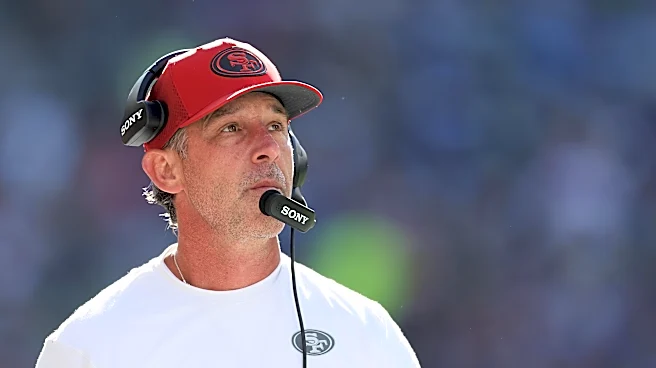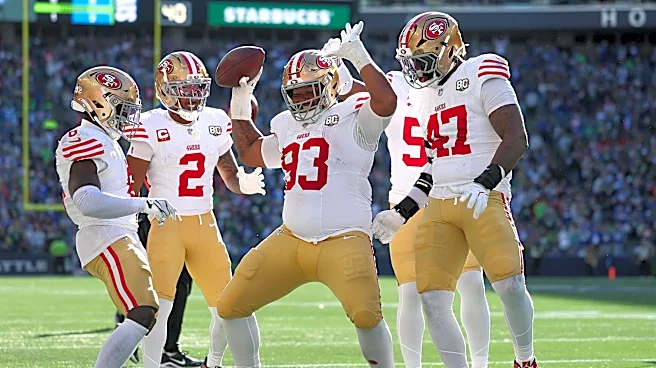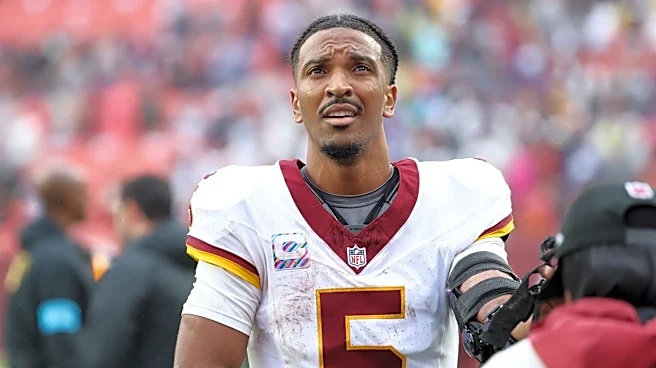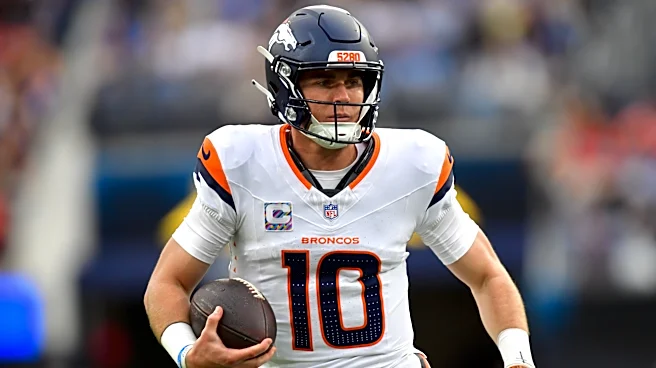



The Seattle Seahawks are looking to bounce back from a painful loss to the San Francisco 49ers, but a short week leaves little time to regroup. Seattle heads to Denver on Thursday to face the Broncos, with both teams sitting at 3-2. For the Seahawks, this is an opportunity to correct course before their divisional loss creates bigger problems in the NFC West race.
These teams have plenty of history. Seattle and Denver shared the AFC West until the Seahawks moved to the NFC West in 2002, and their
rivalry produced one of the most memorable games in franchise history: Seattle’s 43-8 demolition of the Broncos in Super Bowl 48.
The Seahawks have also won the two most recent meetings, beating Denver 17-16 in the 2022 season opener and 26-20 in Mike Macdonald’s head-coaching debut in 2024. The Russell Wilson trade and the occasional friction between Sean Payton and Macdonald have added another layer to the matchup.
Both teams need a win, but Seattle has more immediate problems to solve. Here are the matchups that could decide Thursday night’s game—and what the Seahawks need to do to leave Denver with a victory.
Turnovers: Seattle’s biggest problem
Seattle has plenty to fix, but nothing is more urgent than protecting the football. The Seahawks have committed nine turnovers this season. Opponents have scored 44 points off those turnovers over that span. This is no longer an occasional mistake; it is undermining the entire operation.
The problems start with an offense struggling to find a rhythm. The offensive line has had trouble protecting Sam Darnold and creating running lanes, leaving the quarterback in increasingly difficult situations. Darnold has also alternated between passing up opportunities and forcing reads that lead to costly mistakes. Against San Francisco, Seattle turned the ball over four times, including two interceptions and two lost fumble.
Those giveaways affect the entire team. They give opponents shorter fields, put the defense under immediate pressure, and increase the workload on a unit already trying to keep the game under control. The resulting cycle is difficult to break, especially when the offense cannot sustain drives.
A short week offers little time for major corrections. Seattle does not need to reinvent its offense by Thursday, but it does need to simplify where necessary, make better decisions, and take care of the ball. On the road against a capable defense, another turnover-heavy performance could be decisive.
The offensive line faces a serious test
Denver has the personnel to pressure Darnold from both the edge and the interior. Nik Bonitto is a major threat off the edge, while Zach Allen can disrupt the pocket from inside. Seattle’s offensive line will have to account for multiple rush threats rather than concentrating on one defender.
The concern goes beyond sacks. Inconsistent protection disrupts the timing of the offense, while an ineffective running game makes Seattle easier to diagnose. If Denver can anticipate pass situations, the Seahawks risk putting Darnold in exactly the kind of high-pressure environment that has contributed to their recent turnovers.
Seattle’s running back situation makes the challenge harder. With Zach Charbonnet out and Jadarian Price on IR, the options are limited, and the ground game has struggled to produce consistently. Blocking, vision, and play design all need to improve. The Seahawks may not be able to establish a dominant rushing attack, but they need enough credible production to keep Denver from teeing off on obvious passing downs.
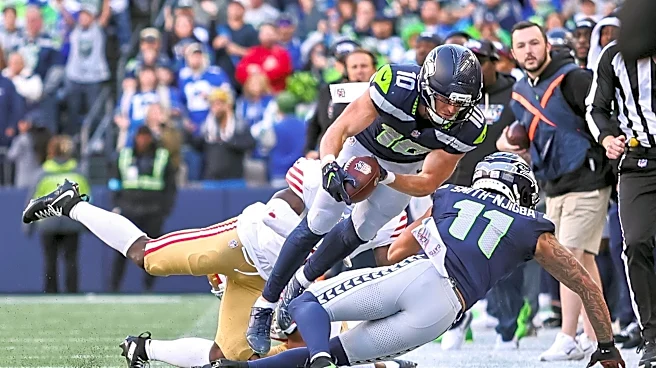
Seattle needs options beyond Jaxon Smith-Njigba
Jaxon Smith-Njigba is Seattle’s best offensive player right now, and building the passing game around him makes sense. The problem is when he becomes the only dependable option. Against Denver, the Seahawks have an opportunity to spread the ball around and take advantage of a depleted secondary.
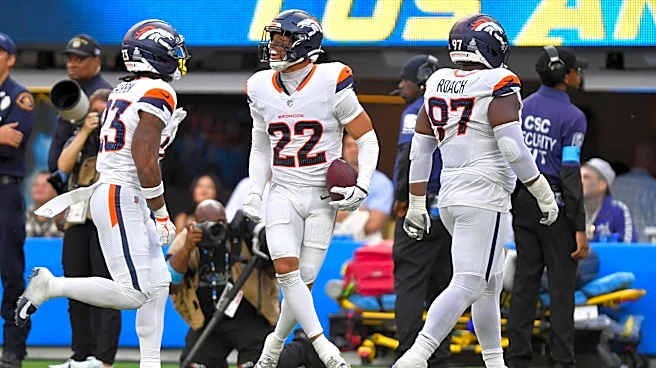
The Broncos will be without cornerback Patrick Surtain II and safety Talanoa Hufanga. Riley Moss is questionable after missing the previous game against the Chargers. If Moss cannot play, Denver will have to lean further on its depth in the secondary.
Seattle should not respond by simply forcing more targets to Smith-Njigba. JSN has also been listed with an ankle issue. He will play, but the Seahawks need a plan that can function if their top receiver is limited.
The production from the other pass catchers suggests there is room for a more balanced approach. Tory Horton has seen limited opportunities, Cooper Kupp needs a larger role, and Rashid Shaheed has not been heavily involved in the passing game. Tight end A.J. Barner and the running backs can also provide useful outlets.
One matchup deserves particular attention: linebacker Alex Singleton. According to the Next Gen Stats figures cited for this game, Singleton has been targeted 27 times this season, the most among NFL linebackers. He has allowed 21 receptions for 248 yards, the second-highest total at the position.
Seattle should test that weakness with crossing routes, digs, slants, and tight end combinations that force Singleton to cover in space. These concepts can create windows between the linebackers and safeties while giving Darnold quick answers against pressure. Running backs can add another layer with short receptions, especially if Denver’s linebackers retreat to protect the middle.
The goal is not to reduce Smith-Njigba’s role. It is to make Denver defend the entire field. If Kupp, Shaheed, Horton, Barner, and the backs become credible options, the Broncos will have a harder time devoting extra attention to JSN. Checkdowns have their place, but Seattle needs more than one reliable answer in the passing game.
Josh Jobe has become a target—and Denver knows it
The loss to San Francisco highlighted a recurring concern: Josh Jobe has become a vulnerable spot in Seattle’s secondary. Opponents have reason to test him with their best receiving options, looking for openings in coverage or opportunities to draw penalties.
Mike Evans was the most notable example against the 49ers, finishing with seven catches for 113 yards and a touchdown. His performance highlighted the difficulty Seattle had containing that matchup.
Denver could take a similar approach, targeting Jobe and forcing the Seahawks to show they can protect him. If the matchup keeps producing, the Broncos have little reason to move away from it.
Macdonald and the defensive staff need a counter. One option is to provide safety help over the top when Denver aligns a dangerous receiver against Jobe. That does not mean permanently dedicating a safety to his side and leaving other areas exposed; it means identifying the situations where the risk is greatest and adjusting accordingly.
Seattle can also vary its man and zone looks, use leverage that provides help inside or over the top, and change the matchups on third down. When the formation allows it, Witherspoon could take on more difficult assignments. The key is to avoid leaving Jobe isolated against Denver’s best options without a clear plan for support.
Pritchett played just four snaps against San Francisco, and Seattle should be willing to consider alternatives when the current approach is struggling. More playing time would not guarantee better results, but it would give the coaching staff another option to evaluate.
This is not about declaring Pritchett the answer. It is about recognizing that the current matchup needs a response. If Denver identifies the same weakness and Seattle makes no adjustments, the secondary could be in for another long night.
Getting pressure on Bo Nix is essential
Seattle’s pass rush needs more consistent production off the edge. Macdonald’s scheme uses interior pressure, varied alignments, and simulated looks to confuse protections, but the Seahawks cannot rely too heavily on their defensive tackles to reach the quarterback.
Byron Murphy II recorded two sacks against San Francisco, showing how disruptive Seattle can be from the interior. The next step is pairing that pressure with disciplined edge rushes. Without it, Nix will have more time to let routes develop and find openings in the secondary.
Nix’s mobility makes lane discipline especially important. He can escape the pocket and extend plays, but Seattle can make him uncomfortable by closing his escape routes and forcing him to make decisions. Like Darnold, Nix has stretches in which he holds the ball too long or misses opportunities. The Seahawks need to turn those moments into sacks and hurried throws.
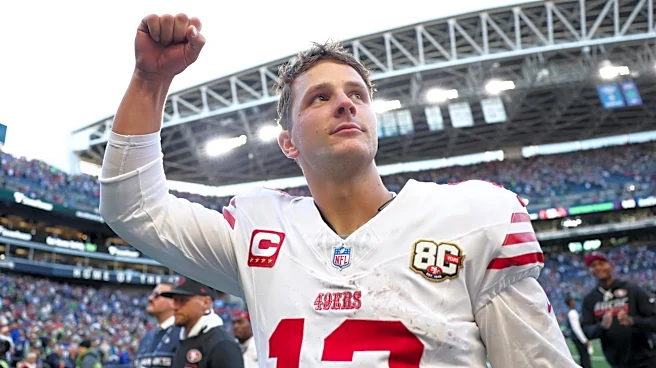
Seattle showed against San Francisco that coordinated pressure can limit a quarterback’s ability to create outside the pocket, although it was not flawless. On the play that ended in a Brandin Cooks touchdown, Brock Purdy moved after the pocket broke down and bought enough time to make the play.
Against Nix, the rush must work as a unit. Edge defenders need to keep contain rather than allowing him to escape through a vacated lane, while interior pressure collapses the pocket. If Seattle can force him to stay in the pocket and make hurried decisions, the defense will have a better chance to create the turnovers the offense has been giving away.
How Seattle can limit Denver’s ground game
Denver’s rushing numbers point to a clear defensive opportunity. According to the Next Gen Stats figures cited for this matchup, the Broncos rank ninth in yards before contact per attempt but are tied for last in yards after contact per attempt. Their blocking creates space early, but the backs have struggled to produce once defenders reach them.
Seattle needs to disrupt that first phase. The defensive line must control its gaps, prevent blockers from climbing freely to the second level, and force the running backs to adjust their paths before reaching open space. If Denver consistently creates clean lanes to the linebackers, Seattle will be forced to make tackles on the move.
Once contact is made, sound technique matters more than highlight-reel hits. Defenders need to arrive under control, wrap up, and finish the tackle. Given Denver’s struggles after contact, Seattle can gain an advantage simply by preventing the first defender from being shrugged off.
Drake Thomas’ absence complicates the assignment. The LB has been ruled out with an ankle injury, reducing Seattle’s depth and increasing the responsibility on Tyrice Knight and the other available linebackers. The remaining defenders must communicate clearly, fill their gaps, and avoid overcommitting when Denver uses motion or changes the direction of a run.
They also have to account for Nix. If the linebackers attack the gaps too aggressively, Denver can counter with play-action, quick passes, or designed quarterback runs. Seattle needs to close the lanes for the running backs without losing contain on Nix.
Final Thoughts
This game matters, particularly with Seattle facing the 49ers, Broncos, Chiefs, and Bears in a difficult four-game stretch. Before this sequence began, four wins were, without a doubt, within reach; but, realistically speaking, four losses were also a possibility. The loss to Washington, which went well off script, has already narrowed the margin for error.
Seattle’s three wins also deserve context. New England was struggling badly when the Seahawks faced them in the season opener, the Chargers were still winless, and Arizona is a team Seattle needs to beat to establish itself in the division. Denver has its own flaws, but beating a 3-2 team on the road would add weight to the Seahawks’ record and help restore confidence after the loss to San Francisco.
The short week leaves little time to address every issue, but Seattle does not need a perfect performance. It needs cleaner ball security, a more balanced passing attack, and a disciplined plan against Nix and the run game. A win would bring some breathing room before Kansas City and give the team ten days to work through its remaining problems. The Chiefs can wait until next week. For now, Seattle has to show that it can learn from its mistakes and make the necessary adjustments in Denver.