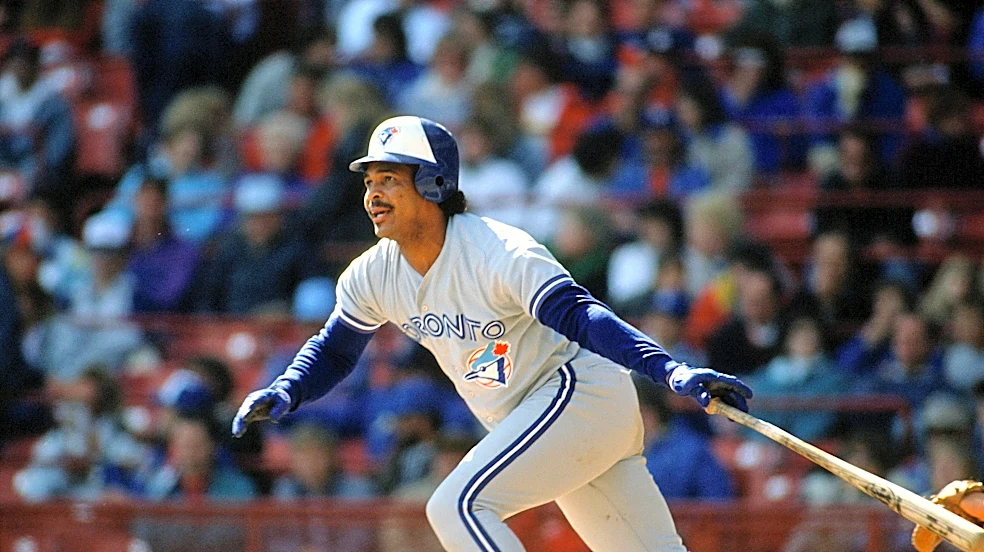


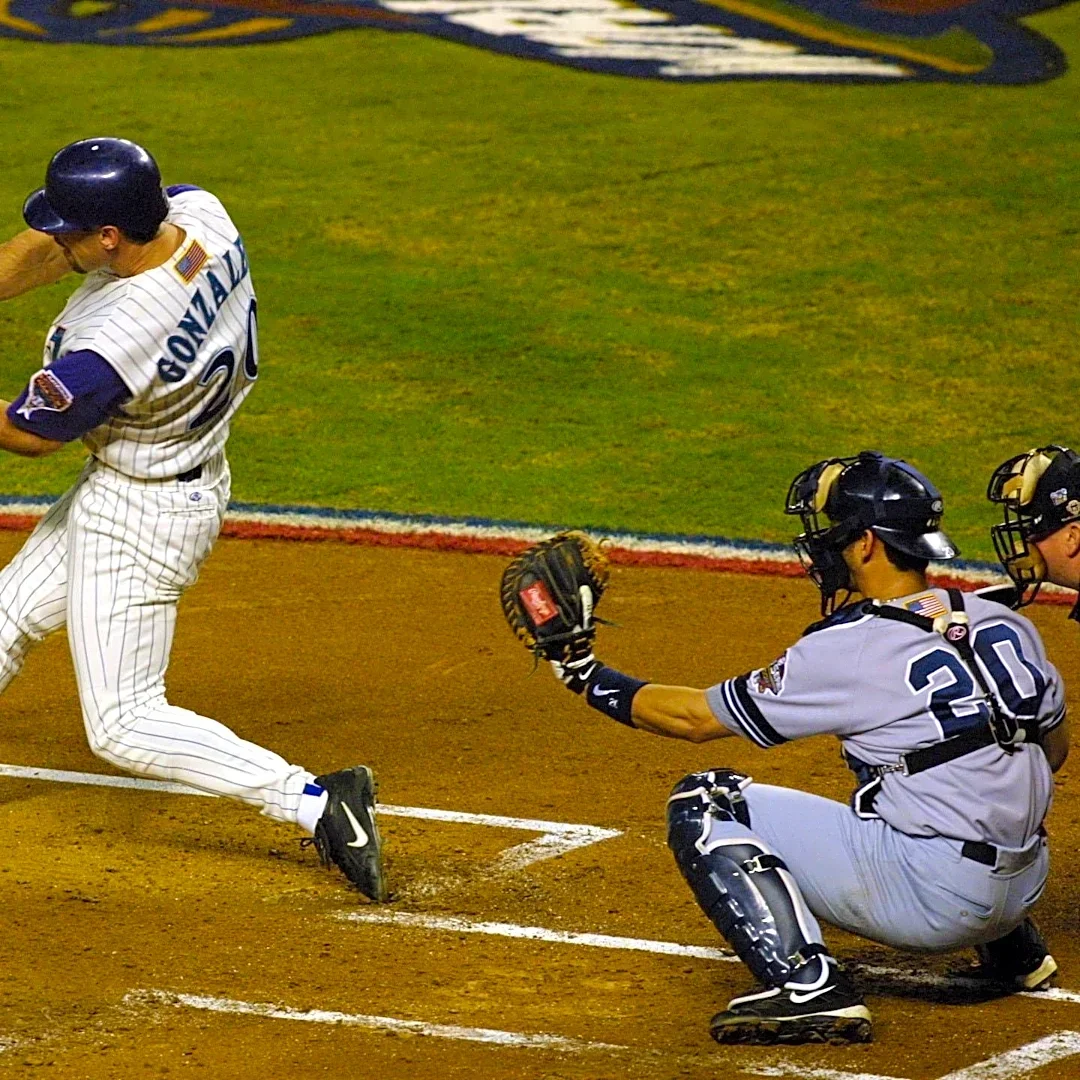

Today marks George Bell’s 67th birthday.
Born in San Pedro de Macoris, Dominican Republic, George Bell comes from a baseball family. His brother Juan Bell played seven seasons in the majors as a utility infielder, and two other brothers also played professionally. George signed with the Phillies as an amateur free agent in 1978 before the Blue Jays acquired him in the 1980 Rule 5 draft—one of the best Rule 5 acquisitions in history.
Because Rule 5 draft picks must remain on the major league roster
or be returned to their original team, George spent the strike-shortened 1981 season with the Blue Jays. Although he was a bit overmatched, appearing in 60 games and hitting .233/.256/.350, he still managed to receive a couple of Rookie of the Year votes.
Believing he had earned a roster spot the following year, George was disappointed when the Jays sent him to Syracuse. It turned out to be a tough season: he contracted mononucleosis in April, injured his left knee in June, and, upon returning, suffered a broken jaw after being hit by a pitch. Perhaps as a result, George became especially sensitive to being hit and charged the mound multiple times. He began 1983 in the minors once more but was called up for good in July.
In 1984, Bell became a full-time player for the Blue Jays. Manager Bobby Cox used a complex platoon system in the outfield: Bell played left field against left-handed pitchers and right field against right-handers, swapping with Jesse Barfield and Davey Collins. As a young outfielder, Bell possessed a decent arm and adequate range, though Barfield’s arm was superior.
That season, George played 159 games and hit .292/.326/.498, tallying 39 doubles, 26 home runs, 87 RBI, and 11 stolen bases. He received MVP votes, finished 8th in the American League in total bases, and 3rd in doubles.
After the season, the Jays traded Dave Collins to Oakland, paving the way for Bell, Lloyd Moseby and Jesse Barfield to play full-time—which became the best outfield in Blue Jays history. They played together until Barfield was traded early in 1989. All three were outstanding offensively and had strong arms; Moesby and Barfield excelled defensively, while Bell’s range declined over time due to knee issues from injuries and playing on Toronto’s hard artificial surface. He also struggled with errors.
In 1985, Bell had another stellar year, hitting .275/.327/.479 with 28 home runs, 95 RBI, and a career-high 21 stolen bases. He won the Silver Slugger Award and finished 8th in MVP voting, just behind Barfield. The Jays reached the postseason for the first time, with many remembering Bell catching the final out to clinch the AL East title and collapsing to his knees in celebration. In the seven-game ALCS, Bell batted .321 with nine hits and three doubles, but the Jays ultimately lost to the Royals.
Bell’s offensive numbers improved further in 1986: he hit .309/.349/.532, with 31 home runs, 108 RBI, 101 runs, and another Silver Slugger Award. He finished 4th in MVP voting—one spot ahead of Barfield—while Roger Clemens took home the award.
Bell’s breakout season came in 1987, when he hit .308/.352/.605 with 47 home runs, 134 RBI, and 111 runs. He won another Silver Slugger Award, made his first All-Star team, and became the first player from a Canadian team to win the league MVP, edging out Alan Trammell of the Tigers. The vote stirred controversy after the Jays suffered a late-season slump, losing their final eight games and allowing the Tigers to capture the AL East. Bell struggled in those final games, hitting just .111, while Lloyd Moseby was the only Jay to avoid a slump.
The next season brought changes for Bell and the Jays. Manager Jimy Williams moved Bell to designated hitter and gave top prospect Sil Campusano a spot in the outfield. The plan quickly unraveled: Bell was vocal about his displeasure with DH duties, and Campusano struggled. Williams’ tenure was short and turbulent, partly due to Bell’s unhappiness. Despite this, Bell became the first major leaguer to hit three home runs on opening day, though his overall numbers declined significantly.
Bell rebounded in 1989, hitting .297/.330/.458 with 18 home runs, 41 doubles, and 104 RBI. He finished fourth in a close MVP race, with Robin Yount taking the award. The Jays returned to the playoffs, but Bell struggled in the five-game series loss to the A’s, batting just .200 with one home run.
1990 marked Bell’s final season with the Blue Jays, and it was a disappointing one—he hit .265/.303/.422 with 21 home runs and 86 RBI. Afterward, he signed with the Cubs as a free agent, enjoyed a solid season, and was then traded to the White Sox for Sammy Sosa—a deal that favored the Cubs. Bell played two seasons with the White Sox before being released in 1993 following critical comments about manager Gene Lamont after being replaced in the playoff lineup by Bo Jackson.
Bell finished his impressive 12-year career with 265 home runs, 1,002 RBI, and a .278 batting average. He was an aggressive hitter who rarely walked, and his defense declined over time—though his arm was underrated. From 1984–1987, only Barfield and Glenn Wilson recorded more outfield assists. Early in his career, Bell was a capable outfielder, but playing on artificial turf took a toll on his knees and reduced his range. He also resisted a move to designated hitter, seeing it as an affront to his pride.
Bell was a fearsome hitter, holding the Jays’ single-season home run record (47) until Jose Bautista hit 54 in 2010. Angels manager Gene Mauch called him “the most intimidating hitter in baseball.” Bell was known for aggressively attacking the first pitch, especially fastballs.
Baseball historian Bill James once ranked Bell as the 62nd-best left fielder of all time, though he may have slipped a few spots since then. Rob Neyer named him the Blue Jays’ best left fielder ever, and Bell is honored on the Rogers Centre’s Level of Excellence.
Bell was also known for his fiery temper. Many recall his flying kick at pitcher Bruce Kison after being hit by a pitch. He was ejected from 13 games and often clashed with the media and managers. Notably, he once invited Canadian fans to “kiss my Dominican ass.” I think the word purple was in there somewhere. While some of his confrontations stemmed from cultural differences, much was attributed to his hotheadedness. His reputation may have shortened his career, but by all accounts, he was a loyal teammate and friend.
Bell later assisted the Dominican Republic’s World Baseball Classic team and developed into a skilled golfer. He is married and has four sons.
Happy birthday, George. Wishing you all the best.
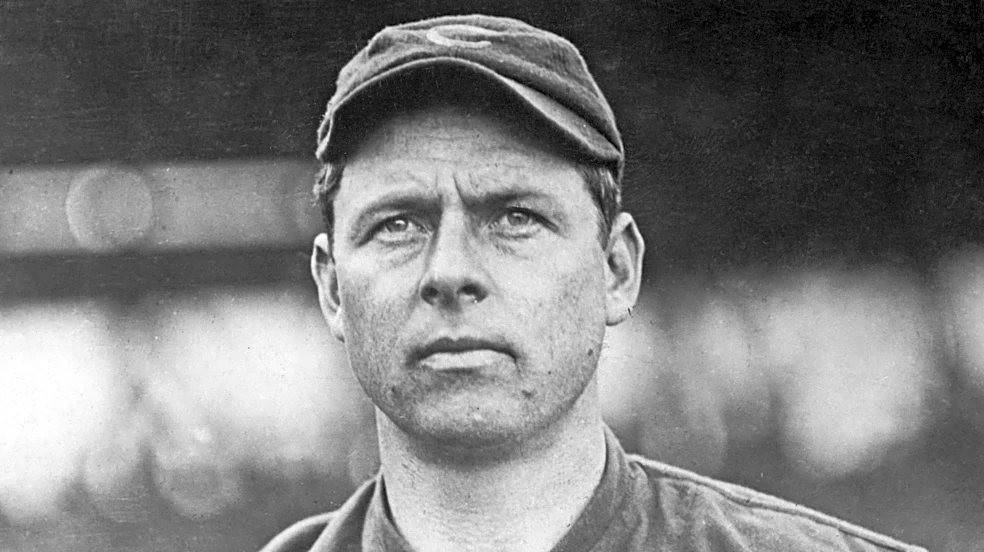
Today marks the 71st birthday of Jerry Garvin, the original left-handed pitcher for the Blue Jays.
Garvin was selected as the Blue Jays’ fourth pick in the 1976 expansion draft, coming over from the Minnesota Twins.
Garvin started the Blue Jays’ third-ever game as a rookie in 1977, delivering eight strong innings in a 3–1 win over the White Sox. He allowed five hits and four walks, striking out two. Pete Vuckovich earned the save, while Canadian Dave McKay drove in two runs and Gary Woods added another.
That year, Garvin started 34 games, finishing with a 10–18 record and a 4.19 ERA. Remarkably, he logged 244.1 innings and completed 12 games as a 21-year-old rookie. For perspective, no Blue Jay has thrown more than 240 innings in a season since David Price in 2014, and Garvin’s total still ranks 17th in franchise history. Unfortunately, arm issues caused him to miss significant time over the next few seasons.
Garvin was renowned for his exceptional pick-off move, famously recording 26 pick-offs at first base in 1977—a feat noted on his Wikipedia page.
In 1978, Garvin appeared in 26 games (22 starts), posting a 4–12 record with a 5.54 ERA across 144.2 innings. His workload diminished in 1979, as he pitched in only eight games.
By 1980, Garvin transitioned to a full-time bullpen role, appearing in 61 relief outings with a 2.28 ERA and eight saves over 82.2 innings.
In 1981, he pitched in 35 games (four starts), posting a 3.40 ERA over 53 innings.
Garvin’s final season came in 1982, when he made 32 appearances (four starts) with a 7.25 ERA in 58.1 innings.
Over six seasons, Garvin compiled a 20–41 record and a 4.43 ERA in 196 games, including 65 starts.
Happy birthday, Jerry.
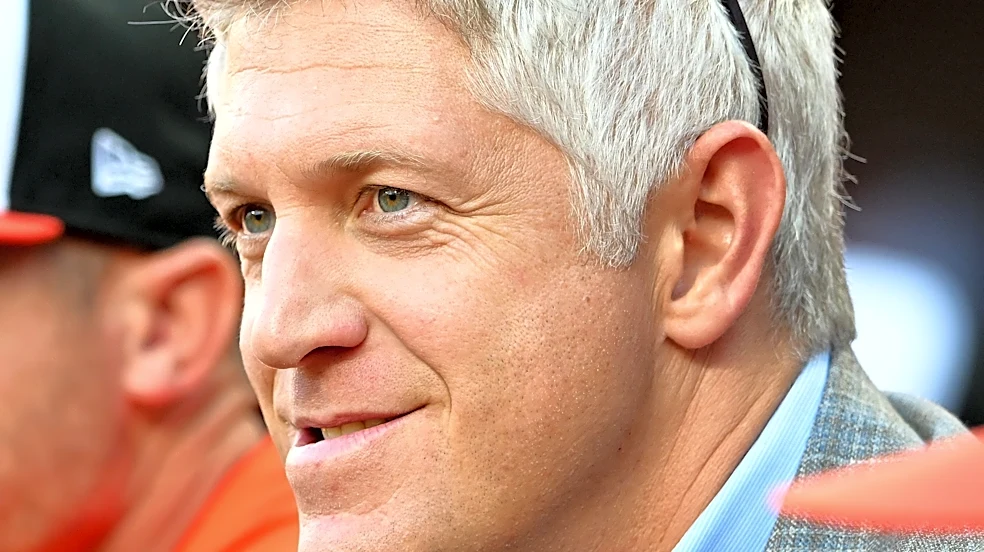
Today, Danny Barnes celebrates his 37th birthday.
Barnes was selected in the 35th round of the 2010 draft.
He worked his way gradually through the minor league system but broke out in 2016, posting a stellar 0.73 ERA across 61.1 innings between New Hampshire and Buffalo.
Barnes received his first major league call-up in August and returned in September, appearing in 12 games with a 3.95 ERA.
In 2017, Barnes joined the Blue Jays in mid-April and remained with the team all season, pitching in 60 games with a 3.55 ERA, a 3–6 record, and 11 holds.
The 2018 season was more challenging, as Barnes posted a 5.71 ERA over 47 games, though he managed eight holds, most of which came early in the year.
Barnes was designated for assignment and outrighted to Buffalo before the 2019 season, spending much of that year on the injured list.
Happy birthday, Danny.
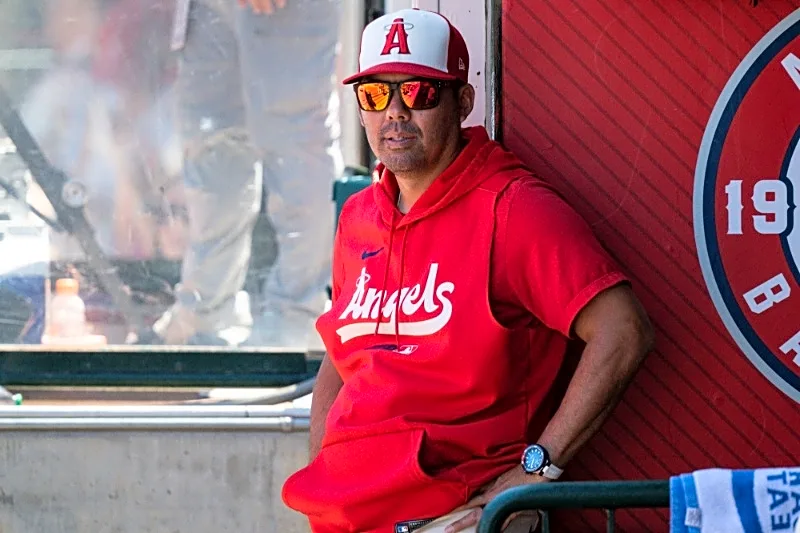
Today marks Gabe Gross’s 47th birthday.
Gross was the Blue Jays’ first-round pick in the 2001 draft.
He was ranked among Baseball America’s top 100 prospects prior to both the 2002 (#75) and 2004 (#72) seasons.
Gross appeared in 44 games for the Blue Jays in 2004, hitting .209/.311/.310 with three home runs, and 40 games in 2005, hitting .250/.324/.348 with one home run.
Following the 2005 season, he was traded to the Brewers along with Dave Bush and Zach Jackson in exchange for Lyle Overbay and Ty Taubenheim.
Gross spent two and a half seasons with the Brewers, hitting .251/.357/.440 with 16 home runs over 226 games. He was then traded to the Rays, where he played two seasons and hit .235/.333/.396 with 19 home runs in 242 games. He finished his MLB career with a season in Oakland.
In total, Gross played seven MLB seasons and 657 games, compiling a .239/.330/.385 batting line with 40 home runs. While he didn’t quite live up to early prospect expectations, he put together a respectable career.
Happy birthday, Gabe.