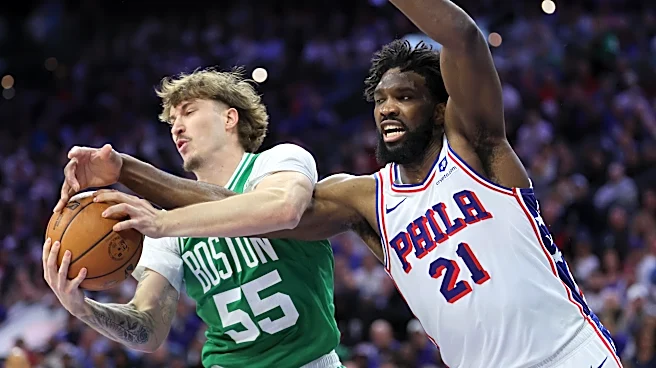





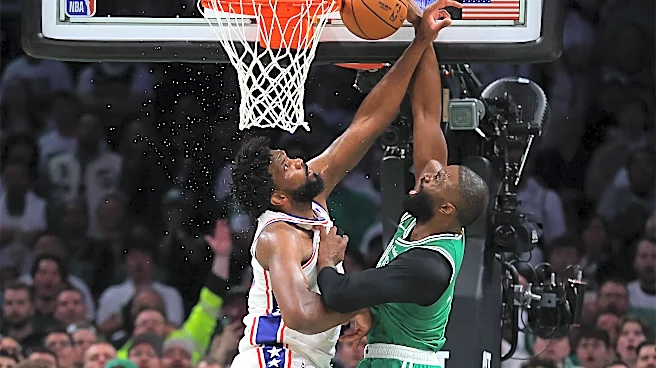
We are defined by our choices. The ones we make, the ones we don’t, and those we make too late. For their last game of the season, the Celtics will be remembered for the latter.
The first decision that defined the game, and how it will be remembered, was the starting five.
It’s not about how you start, but it is
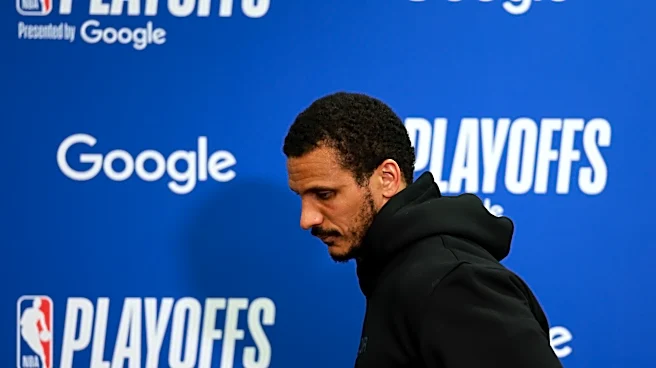
Late in Game 6, the Celtics coaching staff, led by Joe Mazzulla, decided to put the starters on the bench in the last 10 minutes of the game and see how the bench mob could answer.
However, when Game 7 was about to start, it was expected
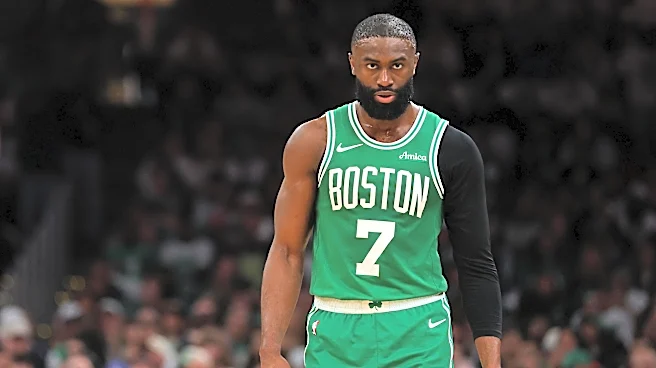
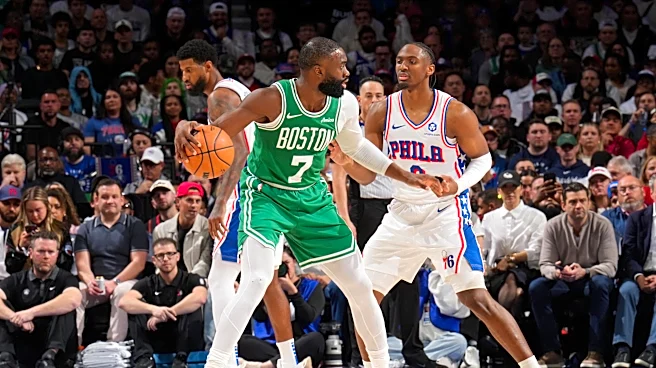
that the Celtics would go with their best lineup available—or at least a lineup that had played together before. But that wasn’t the case. The Celtics started with Luka Garza at center, Ron Harper Jr. and Baylor Scheierman on the wings. They also gave the Tyrese Maxey assignment to Jaylen Brown to try new things.
After five minutes, the Celtics were down by 11, and they finally put Payton Pritchard and Neemias Queta on the court. In the end, the Celtics lost the game by nine points. Maybe it was the late-game decision that cost them the season, or maybe it was the first decision of the game that knocked them out of the playoffs.
Hugo Gonzalez at the rescue
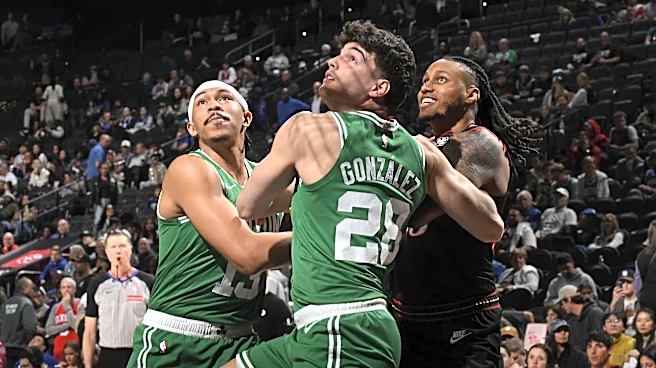
It took seven games—and a 13-point deficit after the first quarter—to finally see Hugo Gonzalez on the court. Hugo Gonzalez had already proven that he could defend quick ball-handlers like Maxey, strong wings like Paul George, or big men like Joel Embiid.
Hugo Gonzalez also led the Celtics in various impact metrics, such as net rating and possession impact. The Celtics knew that one of their best versions came with him on the floor because of the chaos and versatility he brings. Yet, it took them falling off a cliff to finally use him.
Spamming the pick-and-roll
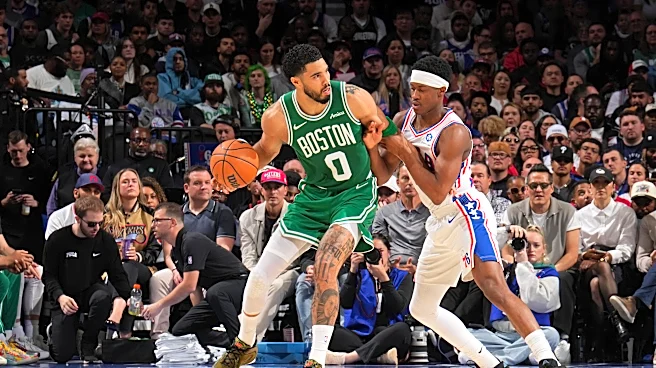
The Celtics got back into the game in the second quarter thanks to the defensive hustle brought by Hugo Gonzalez, but also with a smart offensive game plan. They finally moved away from Brown isolations and spammed pick-and-roll actions to attack the Sixers’ big men, who were struggling whenever they were involved.
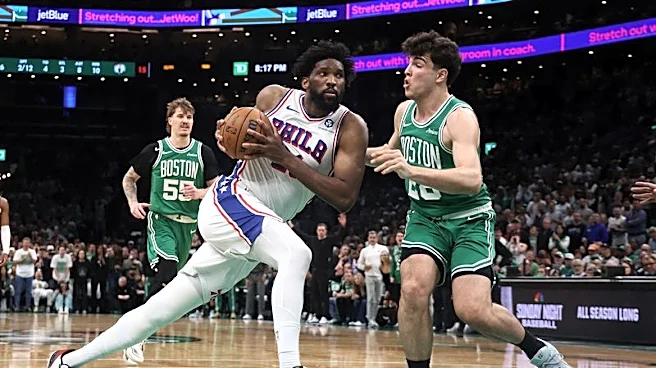
This is when the Celtics offense was at its best because they were attacking the Sixers’ weaknesses. Their wings and guards are strong, but their big men are old and slow. Once you get them moving, the defensive structure collapses. It was far more efficient than mismatch-hunting isolations, especially against this team.
Finally going away from the drop
Using the big man as a safety has been at the core of the Celtics’ defensive success since 2022. It worked with Robert Williams, it worked with Kristaps Porzingis, it worked with Luke Kornet, it worked in the regular season, and it worked in previous playoffs. However, we had to wait until the Celtics were down by double digits in the second half to see it deployed against the Sixers.
The Sixers found some answers to it—and the Celtics’ defensive execution of that tactic wasn’t at its best—but it bothered Embiid enough to give the Celtics a chance at another comeback, putting them in position to win in the final minutes.
Another great choice that came too late. The Celtics beat themselves by taking too long to make the right adjustments—the ones that had worked all season. They forgot what made them elite for so long and got turned upside down by a team that was tired of losing to them.