




With a rash of injuries wiping out the superstar class of the NBA so early in the regular season, load management, style of play, and second guessing the length of training camp have become the center of NBA discussion.
For the Celtics, the conundrum of trying to win now over prioritizing health hit in Game #4 when they had to decide whether they’d play their more vulnerable veterans in the second game of a back-to-back. After a blowout over the Bulls in which nobody played over 27 minutes, the team
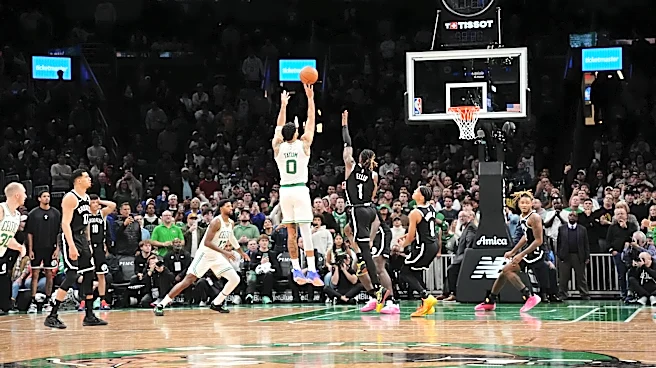
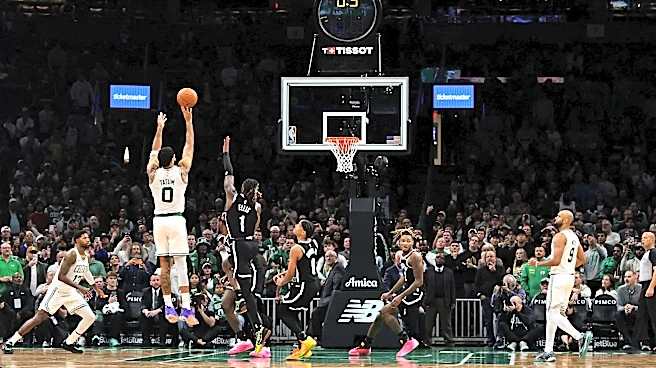
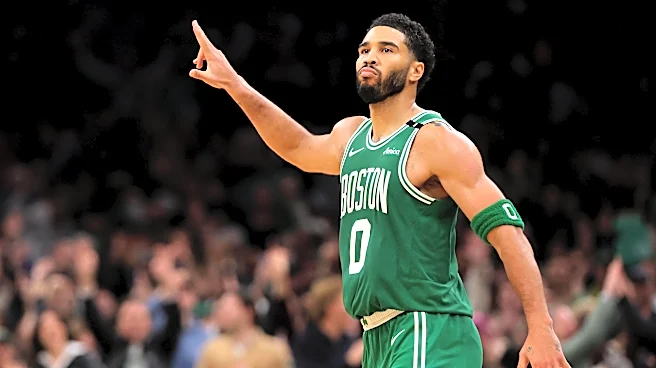
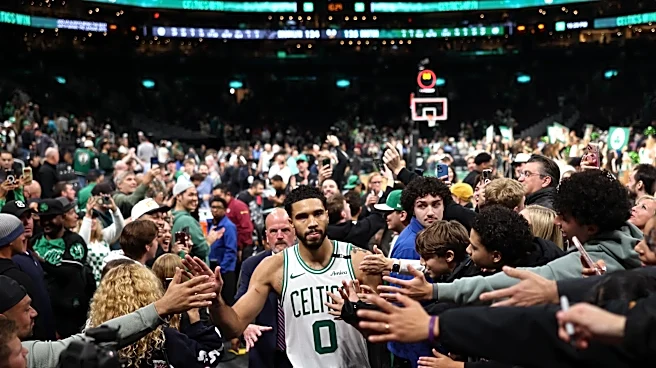
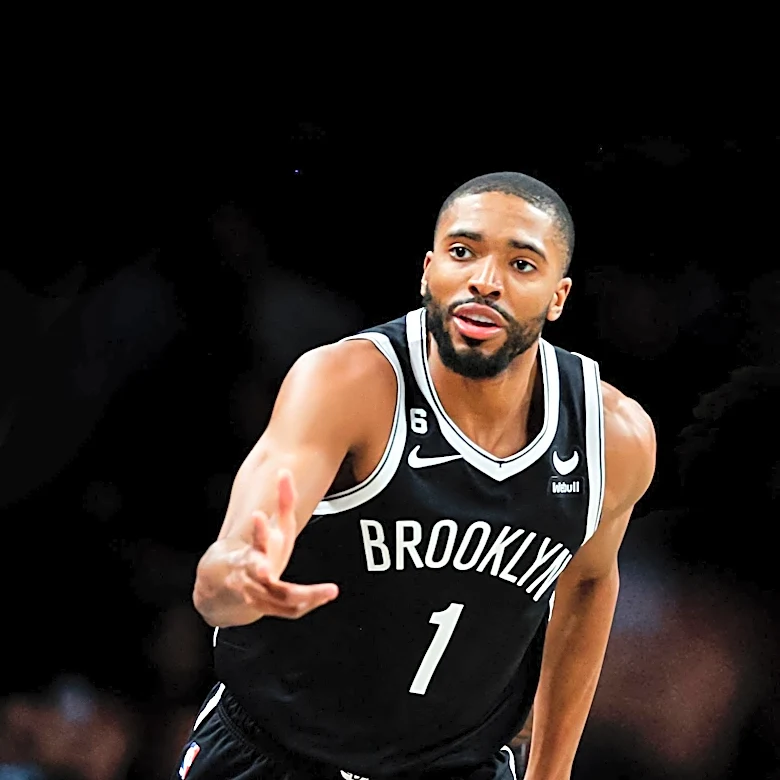
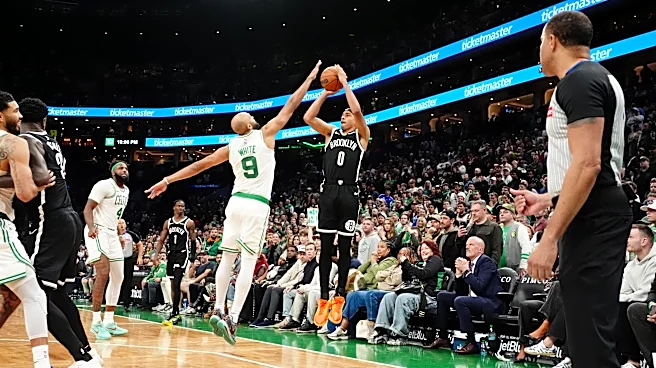
opted to not rest anybody against the Nets. After 48 minutes of regulation time and an overtime, the Celtics prevailed after Jayson Tatum’s game-winner capped off 40 points in 42 minutes play — not exactly an ideal outcome, but two wins nonetheless.
After the game, Joe Mazzulla said the team would treat the win as a loss when they watched film the next day. Surely, he was talking about another game plagued by turnovers and sloppy play. But in turn, it also added more mileage to the season’s running odometer.
Seven years ago, CelticsBlog’s Chris Grenham interviewed then strength coach Bryan Doo and even back then, there was an awareness that the game was changing and that sports science and the medical staff had to change with it:
As the game continues to evolve, Doo, just like the players he works with, has needed to evolve with it. It means prioritizing certain things he may not have in the past, while using his strengths to his advantage. As B-Doo put it, “pure size and mass isn’t the big thing anymore.”
“It’s a quick game,” said Doo. “It’s a game of speed and movement patterns, and luckily, that was my strength. I feel like my strength was body mechanics and movement patterns. We would pay attention to that all year, every year with the Celtics.”

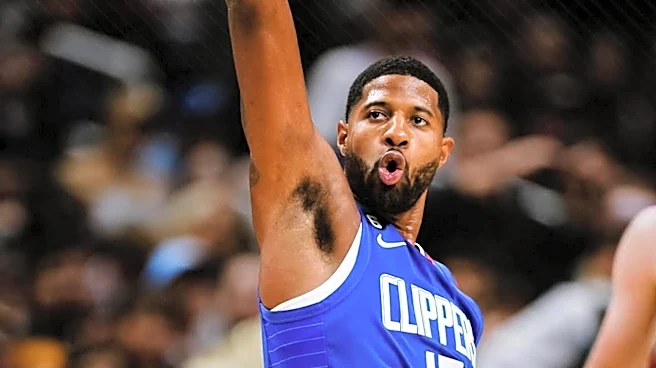
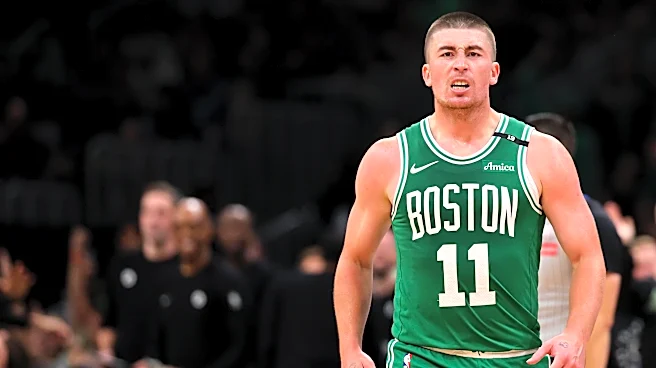
Today, it’s remarkable how deliberate Boston’s medical staff is with every second of playing time. To start overtime against Brooklyn, Mazzulla went with Baylor Scheierman and Payton Pritchard rather than veterans Derrick White and Paul George; after going scoreless and down four points after two minutes, they returned to the floor. It was a curious move not to just play his starters the entire OT, but it does suggest that every minute is weighed and charted. Remember: this is a medical staff that held out Jayson Tatum out of a Game 7 against the 76ers last spring.
“At the end of the day, it’s two-fold. We trust the sports science team that we have. We trust the competition of those guys,” Mazzulla said after the win. “At the same time, our locker room has been built on 1-through-15, 16, or 17 being able to impact winning. It’s just a combination of all those things. At the end of the day, we have to do what gives us the best chance to win and keep those guys healthy and evaluate the whole locker room and put guys in situations where they can win games for us.”
Medical teams have to account for at least 1,180,800 seconds of playing time and that’s only for the regular season. That doesn’t include those pesky overtimes, days plural spent on planes, back-to-backs, and injury timetables — all to be healthy at the playoffs. And with the game changing so much and the new collective bargaining agreement emphasizing going deep into your roster to find players, second and third string players are no longer developmental pieces for the future, but necessary contributors right away.

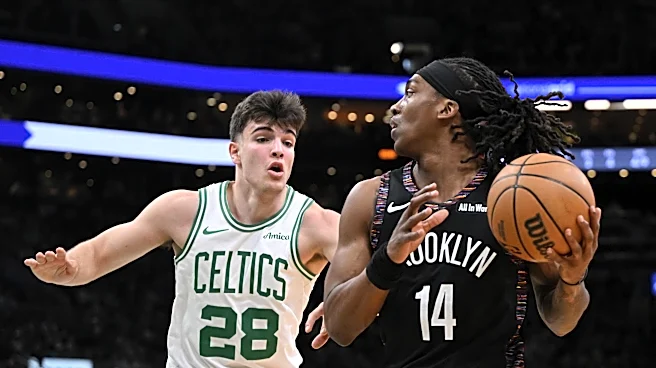
After playing just 13 minutes in the first two games of the season, Hugo Gonzalez mopped up 24 against the Bulls and then on the following night, seemingly inexplicably just six against the Nets. It’s been a little bit of a choppy start for the sophomore, but he understands that as a member of the Stay Ready group, he’ll get his shot when he gets his shot.
“We’ve got a lot of good players that have proven that they can play at a high level and contribute to the team at any certain point,” Gonzalez said. “We’ve got a lot of guys that are ready to go and we’re trying to use as many guys as we can so that it can be easier.”
Gonzalez is one of ten players in the rotation averaging double digits in minutes. Luka Garza just barely misses the cut at 9.3 minutes per game. Of teams over .500, only the Rockets, Lakers, Thunder, Raptors, and Grizzlies can boast that depth of rotation. It’s becoming a prerequisite if you want to contend in May, June, and July. You can almost guarantee that come the dog days of the NBA schedule in December and January, you’ll see some off days for Tatum, George, and Robinson with Ron Harper Jr. getting some run and the rookies and two-ways coming up from Maine to help shoulder some of the burden of the 82-game grind.