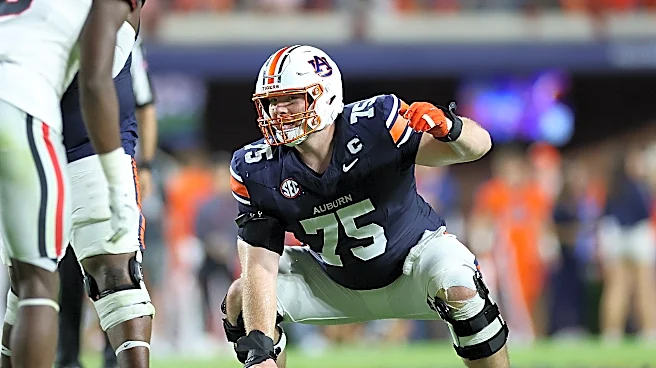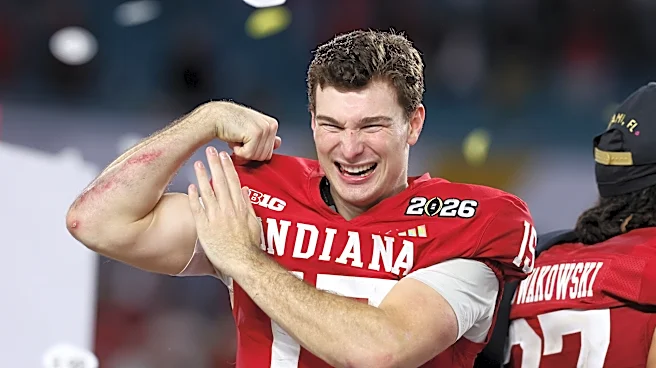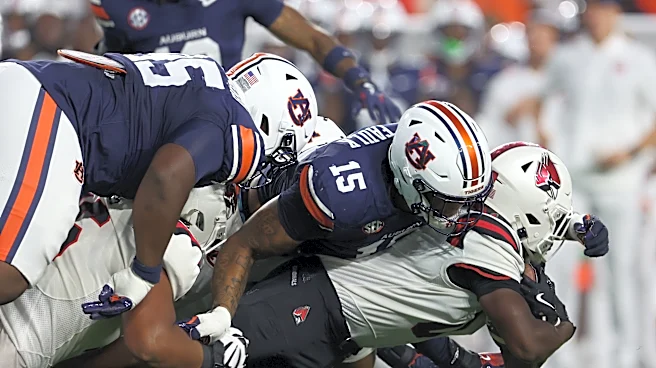





One of the themes around the 2026 NFL Draft is that it will force teams to examine what traits they value and whether positional value or player grade takes priority. There are a number of polarizing players in this draft, and Auburn’s Keldric Faulk perfectly encapsulates the sorts of compromises that teams might find themselves making outside of the top five selections or so.
First, let’s get the obvious stuff out of the way. Faulk is big (6’6”, 276lbs, 34.375” arms) and young (he turns 21 in September).
He already has 37 games under his belt, though, all playing in one of the more dominant conferences when it comes to producing defenders (the SEC). There are a finite number of athletic men that young, with that much experience, who are that size. Unlike many of the top prospects in this draft, he also has a clean injury history.
Second, there are the things that are less obvious but equally notable. He has a high motor and exceptional “football character.” In an era of players moving around to their best advantage, he stayed with a single program and helped other players with his NIL money. He has a reputation as being a leader on and off the field, and his enthusiasm for the game itself is notably high, as is his “team first” mentality.
Part of that selflessness has manifested itself by him playing in multiple positions across Auburn’s front, and that does not always lead to statistical production, even if it is considered to be a virtue for teams (like Chicago, honestly) that want versatility in their defensive linemen. He is like the classic jack-of-all-trades, and is the master of only one–but more on that later.
What Faulk does not have is “high end” traits that flash readily on tape. He is fast for his size, but he does not have elite speed. He has adequate explosiveness, but he is neither quick nor disruptive with his power. He uses his arm length well, but his hand placement is still developing. The argument could readily be made that at times he is play-adjacent instead of being a true playmaker. As a pass-rusher, he has a few tools but very little refinement. He lacks a clear plan of attack, his countermoves are still developing, and the pure athleticism to get to the quarterback by talent alone just isn’t there.
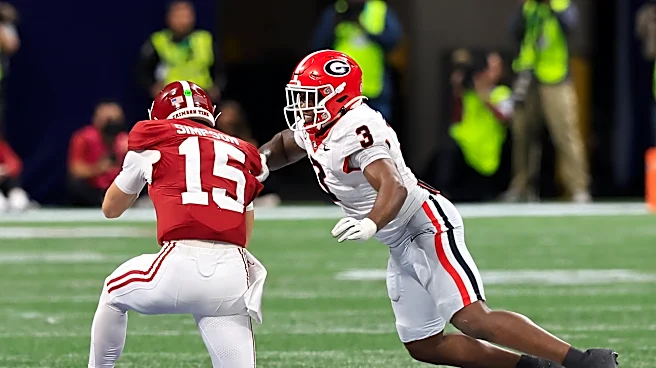
Back to the one thing that he does do exceptionally well–he makes plays against the run, leading all FBS edge defenders in run stops. Auburn games are full of simple stops that do not make highlight reels because his impact is simply keeping the other side from making too many positive plays. Faulk does his job, and that is a trait that will be valued by coaches more than fans who put on highlight reels. More importantly, his pass-rush production is below some of the thresholds that will be used by teams doing the drafting.
Ultimately, the floor for Faulk, barring injury, is a rotational run defender who spends two years developing his pass-rush toolkit before managing to be a 700-snap contributor who occasionally gets sacks and tackles for a loss by being in the right place at the right time because he knew his assignment. If that sounds unsexy, it probably is. While edge defenders are often categorized as “fun picks”, this is more of an “eat-your-vegetables” edge defender. However, it’s the kind of draft pick that builds rosters and that keeps GMs from being fired.
The ceiling for Faulk is probably ED2, a reliable presence who allows a more powerful or faster talent to make splash plays while he just grinds away, consistently showing up not as a team leader on the stat sheet but instead as a team captain who is always near the ball. If that sounds disappointing, it might be. But there are plenty of coaches who are convinced a few more guys like Faulk are all that it would take to make their system run smoothly.
If he were to fall to the Bears, he would allow Dennis Allen’s scheme more versatility, because he could play multiple roles and play soundly enough at each of them to allow the mixed uses Allen prefers for his defensive backs. He would allow Sweat and Dexter more freedom to operate. However, that’s a big “if”, because Faulk offers traits and tools that might get him taken well before #25.