


After enjoying the successes of a historically dominant offense for the first two years of former head coach Mike McDaniel’s tenure with the Miami Dolphins, the team took major steps back during the final two years of the coach’s four-year stint with the club. As a result, he was relieved of his duties, and the organization decided to hit the reset button — signalling the beginning of another roster reset in South Florida.
After hiring new general manager Jon-Eric Sullivan and new head coach Jeff
Hafley, the Dolphins took a machete to their roster — releasing or trading numerous high priced veteran players in an effort to get cheaper and younger.
We now find ourselves heading into a 2026 NFL season that sees many questions for the Miami Dolphins needing answers if they hope to expedite the rebuilding process they currently find themselves in. Let’s take a look at the top-three concerns facing the team ahead of training camp which begins next week.
Is Jeff Hafley the right man for the job?
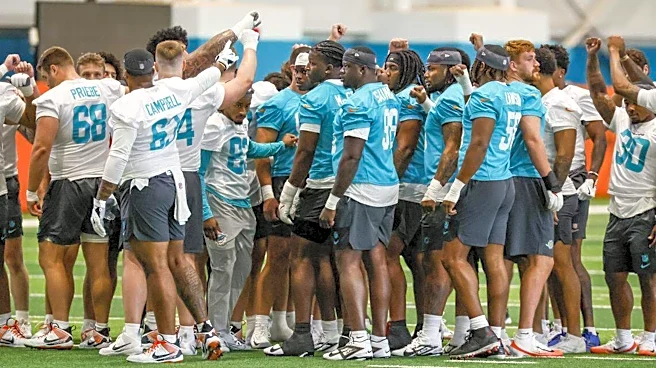
After moving on from the Mike McDaniel era, the Dolphins enter 2026 with first-year head coach Jeff Hafley and general manager Jon-Eric Sullivan. The roster has been heavily reshaped, and expectations are centered less on immediate wins and more on establishing a new culture, identity, and longterm foundation. Personalities around the league widely view Miami as one of the NFL’s biggest rebuilds entering training camp.
One of the most important aspects of Hafley’s first year is creating accountability and consistency.
That includes:
- Defining leadership in the locker room.
- Developing players rather than simply acquiring them.
- Building a team that can withstand injuries.
- Creating systems that don’t depend on one or two star players.
Can Malik Willis prove he’s the quarterback of the future?
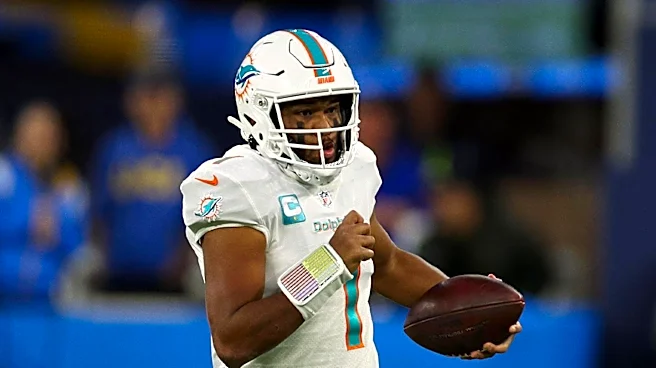
With Tua Tagovailoa now a member of the Atlanta Falcons, the Dolphins look to the newly signed Malik Willis to lead the offense. His athleticism is unquestioned, but consistency as a passer will determine whether Miami commits to him beyond 2026 or enters the 2027 draft looking for their next franchise quarterback.
Willis doesn’t need to throw for 5,000 yards to succeed. If the Dolphins tailor the offense to his strengths, they could look to emphasize the following things:
- Play-action passing.
- Designed quarterback runs.
- Rollouts and moving pockets.
- Deep shots off run action.
- Quick, defined reads that allow him to play fast.
Miami’s goal would be to create an offense that stresses defenses with both Willis’s arm and his legs while limiting situations that expose his current weaknesses.
How quickly can Miami’s rookies develop?
One of the more pressing questions for the Dolphins in 2026 is how quickly their rookie class can become meaningful contributors. For a team in the early stages of a rebuild, rookie development isn’t just a bonus, it’s essential to accelerating the franchise’s timeline for being competitive.
Unlike veteran heavy contenders that can afford to ease first-year players into limited roles, Miami needs several members of its 2026 draft class to make an immediate impact. Every snap they play this season is an investment in what the organization hopes will become its next core.
The Dolphins won’t judge their rookies solely by box-score production. Coaches will be watching for:
- Improvement from September to December.
- Increased confidence and consistency.
- Better understanding of the playbook.
- Fewer mental mistakes.
___
While expectations for the 2026 Miami Dolphins are low in regards to how many wins they can etch into the record books, it is still an extremely important season for a franchise desperate to get back to the glory days of long, long ago. Answering the questions posed above will go a long way towards achieving that goal, which gives all of us Dolphins fans incentives to watch our guys in aqua and orange compete all season long.