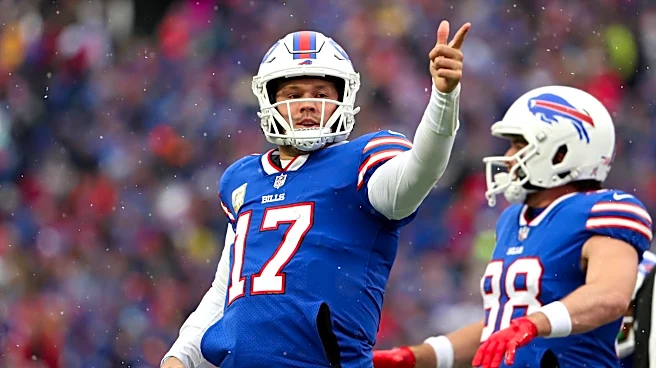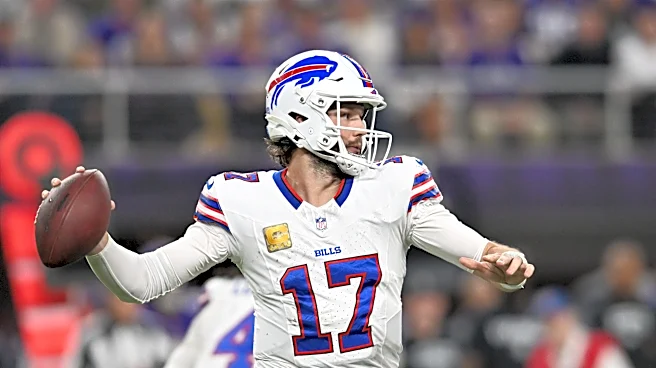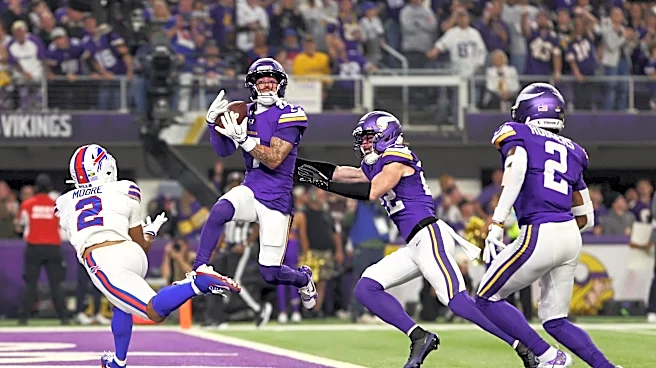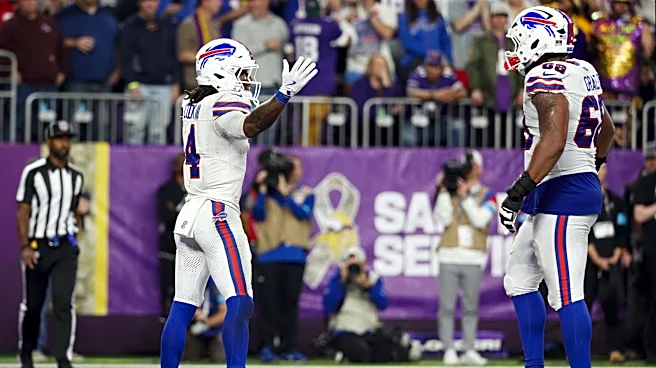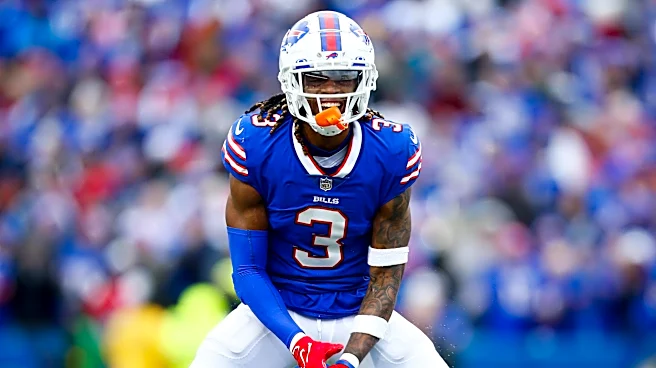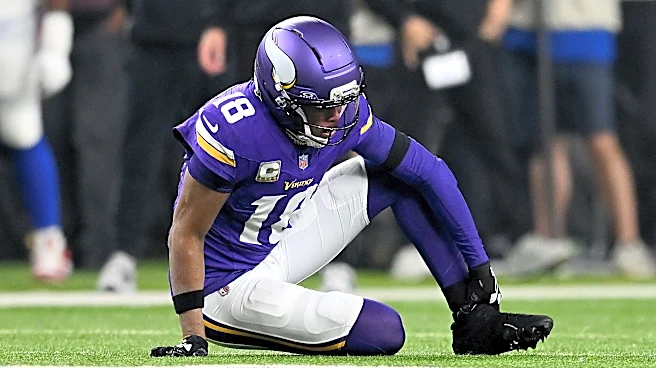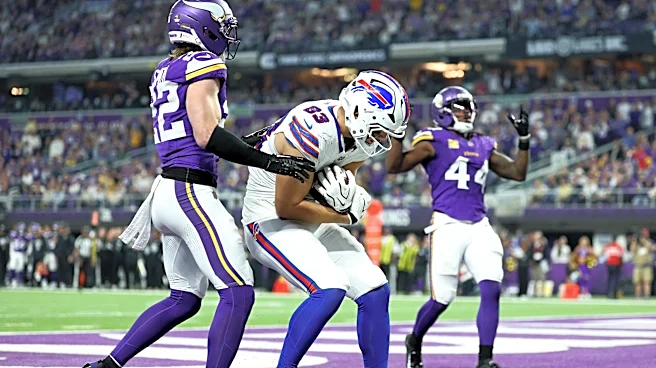


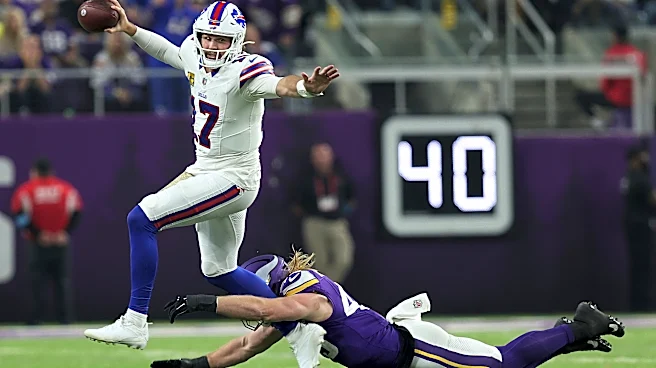
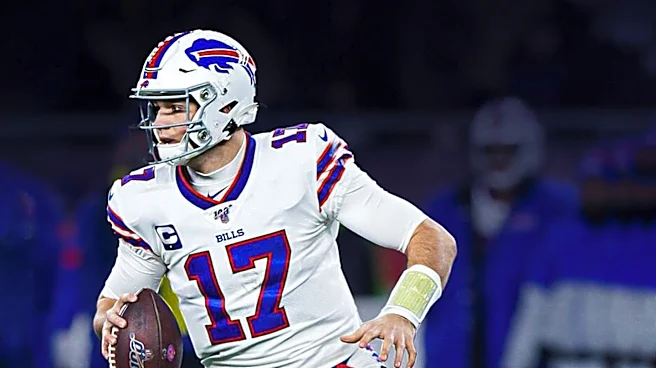
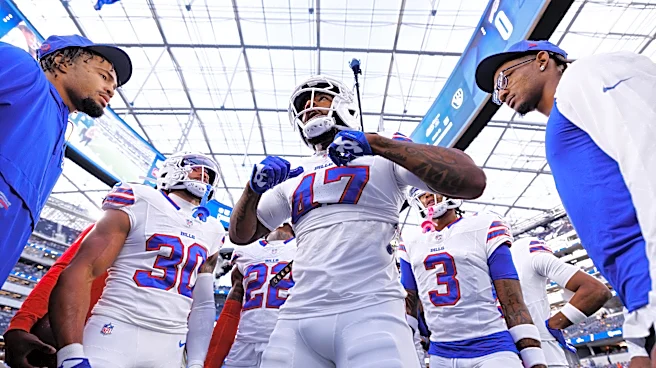
The Buffalo Bills didn’t need an offensive explosion to take care of business on Monday Night Football. Instead, they controlled the clock, leaned heavily on James Cook, and delivered one of their most complete defensive performances of the season in a 23-6 win over the Minnesota Vikings.
Buffalo held the ball for an incredible 42:32, leaving Minnesota’s offense on the field for just 17:28. The Bills ran 80 offensive snaps compared to only 48 defensive snaps, a significant workload difference that
tells much of the story.
Minnesota finished with just 178 total yards, nine first downs, an 0-for-8 performance on third down, and failed on both fourth-down attempts. The Vikings also committed three turnovers.
Offense: 80 snaps
James Cook played 51 offensive snaps (64%), finishing with 31 carries for 107 yards and a touchdown. That’s a substantial workload, particularly considering Buffalo ran the ball 44 times.
Cook averaged just 3.5 yards per carry, but his production wasn’t about explosive plays. It was about keeping the offense moving, wearing down Minnesota’s defense, and helping Buffalo control the clock.
Ty Johnson played 17 snaps (21%), while Ray Davis saw 11 (14%). Johnson contributed a 36-yard reception on third-and-eight, Buffalo’s longest offensive play of the night.
The distribution is interesting because Cook accounted for 31 of Buffalo’s 44 rushing attempts despite playing just 64% of the offensive snaps. When Cook was on the field, the Bills clearly wanted the ball in his hands.
Four tight ends continue to play a significant role
Buffalo once again leaned heavily into its tight-end personnel.
- Dawson Knox: 58 snaps (72%)
- Jackson Hawes: 46 snaps (57%)
- Dalton Kincaid: 40 snaps (50%)
- Keleki Latu: 21 snaps (26%)
Knox led the group in playing time, catching four passes for 37 yards. Kincaid contributed three receptions for 28 yards, while Hawes added an eight-yard reception..
The continued use of four tight ends is worth watching. Buffalo clearly values the flexibility these formations provide, particularly with helping the offensive line in protection. However, the Bills still allowed four sacks, raising questions about how effectively their heavier personnel packages are helping protect Allen.
Offensive line: Grable handles left tackle duties
With the left side of the line inactive, Tylan Grable started at left tackle and played all 80 offensive snaps. Austin Corbett also played every snap, while Spencer Brown, O’Cyrus Torrence, and Connor McGovern each played 77 snaps (96%).
The final three snaps went to reserves as Buffalo closed out the victory.
The offensive line helped Cook reach 100 rushing yards, but pass protection remains an area of concern. Allen was sacked four times for 29 yards, and Buffalo committed eight penalties for 62 yards, including multiple offensive line infractions.
Wide receiver rotation remains spread out
Buffalo’s wide receiver snap distribution:
- Keon Coleman: 49 snaps (61%)
- DJ Moore: 47 snaps (59%)
- Khalil Shakir: 42 snaps (52%)
- Trent Sherfield: 10 snaps (12%)
- Greg Dortch: 8 snaps (10%)
Coleman led the receivers in playing time but finished with just three receptions for 17 yards on six targets.
Quietly, Shakir was Buffalo’s leading receiver with four catches for 58 yards, while Moore added three receptions for 25 yards.
What’s interesting is that no receiver played even two-thirds of the offensive snaps. Buffalo continued rotating personnel rather than relying on a traditional group of three receivers for most of the game. With four tight ends receiving meaningful playing time, that distribution makes sense. Still, it’s worth questioning whether the Bills are getting enough consistent production from their wide receiver group or going heavy wet with their tight ends.
Defense: 48 snaps
For a consecutive game, Buffalo’s defense benefited from an offense that controlled possession.
After playing just 51 defensive snaps against Baltimore in Week 8, the Bills needed only 48 against Minnesota. The result was another strong defensive showing, with the Vikings managing just 51 rushing yards and 127 net passing yards.
Buffalo also recorded three takeaways, including interceptions by Terrel Bernard and Dorian Williams and a fumble recovery by Greg Rousseau.
Minnesota never reached the end zone.
Cole Bishop leads the secondary in snaps
Cole Bishop was the only Bills defender to play every defensive snap, logging all 48 (100%).
Damar Hamlin followed with 44 snaps (92%), while Davison Igbinosun played 39 (81%).
The cornerback rotation was more varied:
- Dee Alford: 36 snaps (75%)
- Maxwell Hairston: 29 snaps (60%)
- Christian Benford: 28 snaps (58%)
Benford was listed as questionable to return during the game but eventually returned to limited action. Hamlin also received a questionable-to-return designation before returning. With Minnesota struggling to sustain drives, Buffalo had opportunities to rotate defensive backs without sacrificing much production.
Bernard and Williams make their opportunities count
Terrel Bernard played 38 defensive snaps (79%), finishing with six combined tackles, an interception, and two passes defended.
Dorian Williams played just 19 snaps (40%), but he made one of the game’s most important defensive plays intercepting Carson Wentz early in the third quarter.
The linebacker rotation also included Bradley Chubb, who played 37 snaps (77%).
Greg Rousseau played 33 defensive snaps (69%) and once again found ways to affect the game.
Ed Oliver played 28 snaps (58%) and recorded three quarterback hits, while Deone Walker played 24 (50%).
Michael Hoecht played 16 defensive snaps (33%), with another 18 on special teams.
Javon Solomon appeared on only four defensive snaps (8%) but recorded a six-yard sack of backup quarterback Max Brosmer late in the fourth quarter.
Buffalo didn’t need a massive sack total to control Minnesota’s passing attack. Consistent pressure, coverage, and timely turnovers were enough.
Special teams: Dortch provides an early spark
Greg Dortch opened the game with a 58-yard kickoff return, immediately putting Buffalo in Minnesota territory.
Keleki Latu and Javon Solomon each played 19 special teams snaps (73%), while Michael Hoecht played 18 (69%).
Sam Franklin and Joe Andreessen led Buffalo with 21 special teams snaps apiece (81%).
Final thoughts
The Bills’ snap counts tell the story of a team that dictated how this game would be played. There are still concerns, particularly with pass protection, penalties, and the limited production from the wide receivers.
But after consecutive games in which the defense played 51 and 48 snaps, Buffalo is finally finding a formula that doesn’t require Josh Allen to carry the entire team every week.
And that’s a welcome change.