

In many ways, the main goal of the Orioles’ 2026 season was not to repeat the 2025 season. Through the first 16 games of the season, the O’s have certainly been more competitive than they were to begin last season. However, one unfortunate aspect of 2025 that has followed the Orioles into 2026 is the mountain of injuries.
The Orioles currently have a major-league-leading 13 players on the IL. After a weekend that saw Adley Rutschman land on the 10-day IL with an ankle injury and Ryan Mountcastle head
to the 60-day IL with a broken foot, the offense is now especially realing.
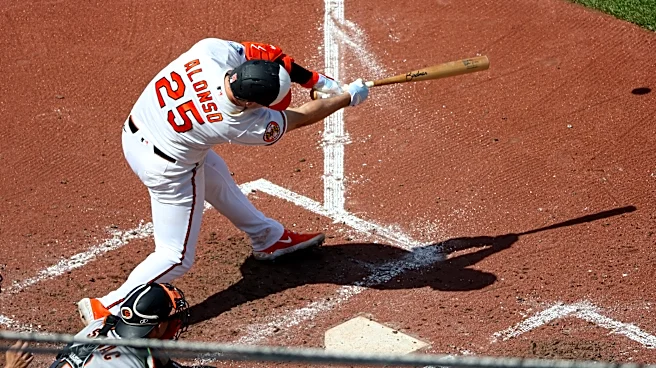
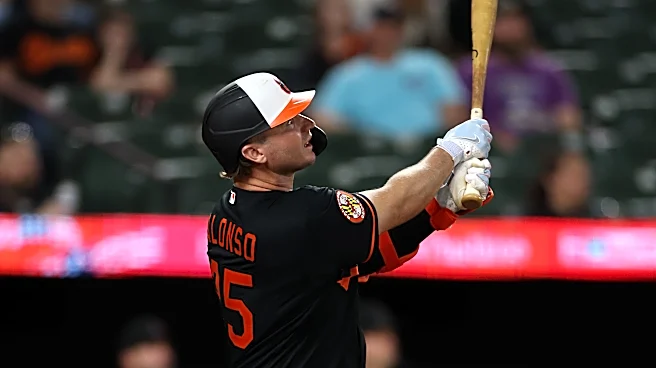
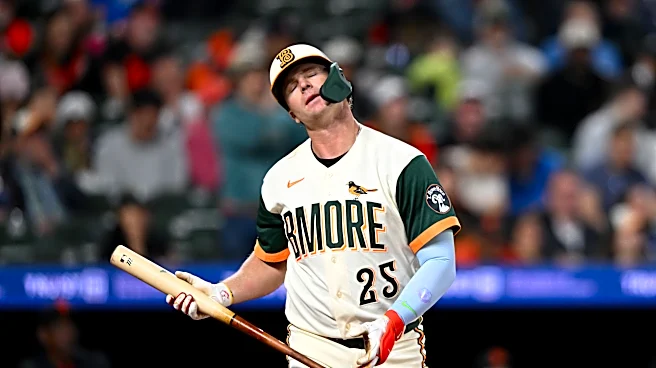
With the injuries piled on top of the early-season struggles of Pete Alonso and Samuel Basallo, the offense has been in desperate need of unexpected heroes. That’s where Taylor Ward and Leody Taveras come in.
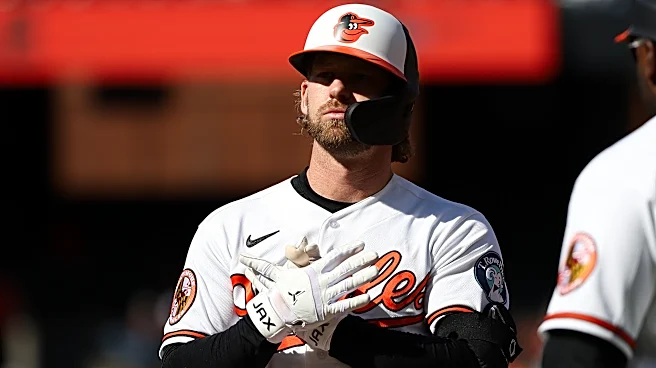
The fact that Ward is a big-time contributor is not exactly a surprise. Behind Alonso, Ward was seen as the second biggest offseason addition for the Orioles’ offense. However, when the O’s acquired the 32-year-old outfielder from the Angels, he was expected to be a power-first bat in the mold of Alonso. Instead, he’s turned into an on-base machine who’s wearing out the power alleys.
After last night’s matchup with the Diamondbacks, Ward is 11th in the MLB with a .339 average, tied for 7th with 21 total hits and leads MLB with 10 doubles. After hitting a career-high 32 home runs last year, he’s yet to launch his first homer in black and orange. However, he’s more than made up for his lack of over the fence with a more disciplined approach at the plate and a willingness to spray the ball to all fields.
Unlike Alonso, Basallo and Gunnar Henderson, Ward is not blessed with elite bat speed and the ability to consistently generate high exit velocity. Even in hitting 32 long balls last year, his average exit velocity and hard-hit rate were right around league average, while his bat speed only ranked in the 15th percentile. What’s been elite throughout 2025 and 2026 is Ward’s ability to square up pitches and his unwillingness to chase pitches outside of the zone.
What’s helped transform Ward into a different offensive force is a focus on swinging for line drives instead of deep fly balls. The outfielder’s career line-drive percentage is around 26%; this year, that number has jumped up to 39.1%, the 5th-best mark in all of baseball. We’ve also seen his opposite-field hit percentage jump from 27.1% last year to a career-best 32.6% so far this year. Ward’s willingness to hit the ball to where he’s being pitched has led to a 47.8% Launch-Angle Sweet Spot rate, putting him in the 96th percentile this season.
Ward’s early-season breakout is reminiscent of the hot start we saw from former Oriole Ryan O’Hearn to begin last year. Through 16 games, Ward is currently slashing .333/.427/.492. Through 16 games last year, Turn and Burn was .296/.377/.519—which turned into a first-half OPS of .834 and an All-Star berth.
Coming into last season, most would’ve ranked O’Hearn behind the likes of Gunnar Henderson, Adley Rutschman and Jordan Westburg in terms of expected offensive impact. Similarly, Ward was probably seen as the fourth most important Baltimore bat heading into this season, behind Henderson, Alonso and a healthy Rutschman. Instead, the newly acquired outfielder has catapulted himself to the top of the pecking order as the O’s most productive hitter so far.
However, the mountain of injuries has meant that Baltimore once again needed someone previously seen as a depth piece to rise to the occasion. Last year, that came in the form of Ramón Laureano; this year, we’re seeing that same level of contribution from Leody Taveras.
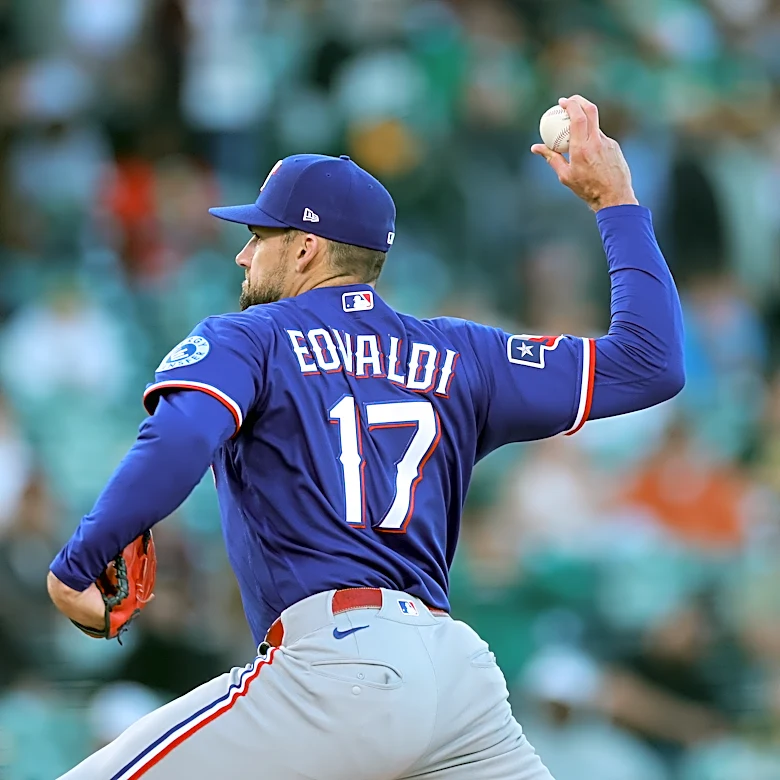
Taveras came to the Orioles this past offseason out of necessity. With Colton Cowser set to be the Opening Day CF, and no other natural CF on the roster, the front office brought in Taveras to provide a defensive insurance policy in the outfield. However, Cowser’s continued struggles against off-speed pitches and the recent injury to Tyler O’Neill have thrust the 27-year-old Dominican into more of an everyday role.
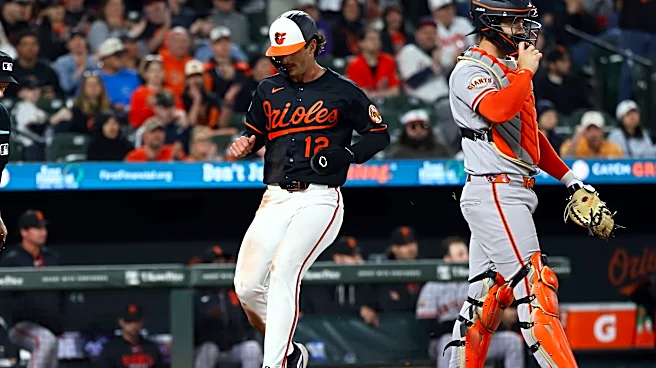
To say the former Texas Ranger has taken that opportunity and run with it would be an understatement. In 12 games this season, Taveras is 9-for-25 with three doubles, four runs scored and five walks. If he had enough at-bats to qualify, his .467 OBP would lead the Orioles and place fourth in all of baseball. In the last three games, we’ve seen manager Craig Albernaz stick Taveras in the sixth spot in the order, allowing him to serve as a secondary table setter for the bottom of the lineup.
Should Taveras continue to hit well, the uncertain nature of the Orioles outfield means he’ll have plenty of opportunities to lock down the CF role. Cowser’s inability to hit changeups may ultimately force him down the pecking order as the season goes on, and players get healthy (he was hitting .167 on off-speed pitches with a 46.4% whiff rate heading into Monday).
If Cowser can’t iron out the holes in his games (or if O’Neill continues to struggle to stay healthy), it would allow Taveras to make a Laureano-like jump from fourth outfielder to invaluable starter. And while Taveras and Laureano do not offer the same offensive profiles—with the former a switch-hitting line-drive machine and the latter a right-hander power bat—they both provide(d) a similar ability to outshine expectations and strengthen a shaky Orioles outfield.
Even with the injuries and slow starts, there’s still plenty of hope that this collection of Baltimore bats can produce an upper-echelon offense. And while Gunnar has been awesome so far, and the Polar Bear is getting back to his normal ways, the plus contributions from Ward and Taveras are a big part of why the O’s sit atop the AL East after the first 10% of the season.