

As the new year approaches and conference play begins, the top tier of women’s college basketball has started to take form.
The current top five—No. 1 UConn, No. 2 Texas, No. 3 South Carolina, No. 4 UCLA and No. 5 LSU—each bring unique strengths to the hardwood, backed by impressive results and statistical indicators that paint a picture of where they excel and how they could improve as the gauntlet of games arrives in 2026.
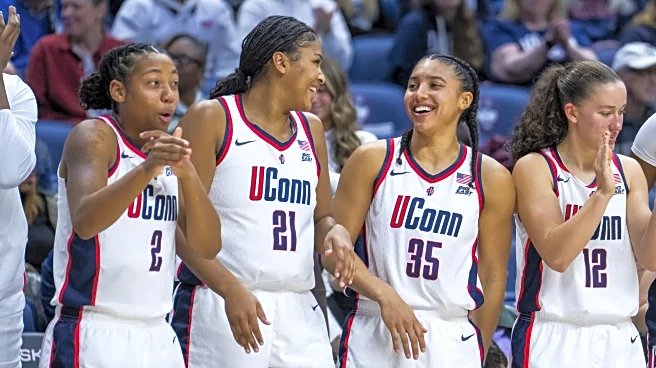
No. 1 UConn Huskies (9-0)

After winning last year’s national championship, the Huskies have maintained
their throne at the top of the rankings, and the numbers tell a story of near-perfection.
With a net rating of 68.2 points per 100 possessions, UConn boasts the most dominant profile among the elite teams, although it’s worth pointing out their schedule. UConn has earned a respectable win against two top-25 teams: one comfortable win over No. 22 Louisville and a nail-biter against No. 6 Michigan.
What makes UConn particularly dangerous is their shooting. The Huskies are converting 39.8 percent from 3-point range and an impressive 64.7 percent at the rim—both elite marks that force opponents into impossible defensive choices. A large reason their offense looks so effortless is not only their talent, but also the constant motion with which they play. Their 68.0 percent assist rate demonstrates fluid ball movement that creates high-quality looks.
The concern? Does UConn have the self creator in the halfcourt who can punish teams that have the talent to play aggressive defensive coverages?
UConn hasn’t seen a team with elite point-of-attack defenders that will force them to lean into their best player, Sarah Strong, for more offense. Is Strong a good enough isolation scorer and rim finisher to make teams pay? The Huskies have shown dominance against the mid-majors they’ve faced, but their game this weekend against No. 16 USC may be the ultimate test for how good their offense really is.
No. 2 Texas Longhorns (10-0)

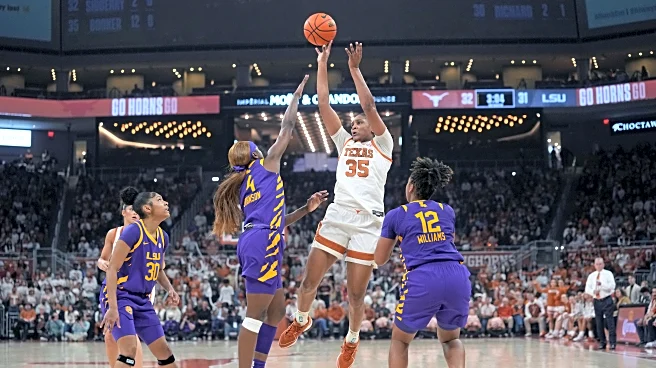
Texas has announced their arrival in the SEC with authority, compiling a perfect 10-0 record that includes statement victories over UCLA (76-65) and South Carolina (66-64) during Thanksgiving week at the Players Era Championship.
No team had beaten two top-three opponents in such a short span in 25 years.
Defensively, Texas is suffocating. Their defensive turnover rate of 31.9 percent leads all top-five teams, creating havoc and transition opportunities. They’re forcing opponents into uncomfortable situations, holding their opposition to just 41.6 percent from 2-point range. Rori Harmon is perhaps the best perimeter defender in college basketball and the Longhorns’ smothering press, combined with their rebounding prowess, means they are dominant in the margins. The Longhorns control games by owning the possession battle.
Texas’s halfcourt offense is still a concern to me. Their effective field goal and assist percentages are extremely low compared to the other top teams. If they aren’t forcing turnovers and getting multiple chances to score on each possession, things could get spooky.
For now, the Longhorns can be confident that their strength of schedule gave them early tests, which head coach Vic Schaefer’s squad passed with flying colors.
No. 3 South Carolina Gamecocks (9-1)
 .
" data-portal-copyright="" />
.
" data-portal-copyright="" />
The Gamecocks are one of those teams that gets the benefit of the doubt due to their experience. South Carolina’s statistical profile screams physicality. Their 43.3 percent offensive rebound rate is the highest in the top five by a significant margin, demonstrating head coach Dawn Staley’s emphasis on second-chance opportunities. This relentless attack on the glass makes them exhausting to defend.
What also makes South Carolina particularly dangerous is their interior dominance—48.3 percent of their shot attempts come at the rim, the highest rate among these elite teams. When they get there, they convert at 67.8 percent, making their paint attack nearly unstoppable. Their 57.5 percent assist rate suggests good ball movement, though not quite at UConn’s level.
Defensively, South Carolina has been good, but we won’t know how good until they play SEC competition. I have concerns about the point of attack defense outside of Raven Johnson, as well as where the volume 3-point shooting comes from outside of Tessa Johnson.
Nonetheless, the Gamecocks always seem to find a way to win close games, which is something we saw against Louisville. I expect them to continue their dominant ways as we approach the new year.
No. 4 UCLA Bruins (9-1)

Last year, the Bruins burst onto the national scene with their first-ever Final Four appearance. This year, they have posted a dominant statistical footprint, although the process in these wins could be better given their expectations.
UCLA actually has one of the best adjusted offensive efficiency ratings in college basketball so far. Their 3-point shooting prowess at 37.2 percent, combined with a healthy 34.6 percent 3-point attempt rate, is great for college basketball. They have the shooters to punish you from outside.
They’re also one of the 15 best defensive teams statistically, with a 77.1 adjusted defensive efficiency, showing they can grind out wins when the offense isn’t flowing against lower- and middle-tier teams.
Their only loss came against Texas, but they bounced back impressively against Duke, a struggling team with a very exceptional defense.
Despite their standout statistics, my biggest question with UCLA is actually about their offensive process. They often force post ups and don’t maximize their spacing well. It’s often misaligned and their actions develop very slowly. There’s also a potential conundrum surrounding how well Lauren Betts and Kiki Rice fit next to each other. as opposed to when staggered.
UCLA has a few respectable wins this season, which is a good sign despite their offensive process being shaky. Given time and more reps, this team will only get better and more dangerous.
No. 5 LSU Tigers (10-0)

Kim Mulkey’s Tigers have been absolutely explosive, setting an NCAA record by scoring over 100 points in each of their first eight games. The statistics are eye-popping! LSU is scoring 138.3 points per 100 possessions, an almost video-game level of offensive production.
What fuels this offense? Elite shooting across the board—43.0 percent from 3, 59.8 percent on 2-pointers and an absurd 67.1 percent at the rim. Their 56.7 percent offensive rebounding rate is by far the highest in this group and near the top nationally, creating an avalanche of second-chance points. When you can shoot that well and get multiple attempts per possession, you become nearly impossible to stop.
One defense, they force a ton of steals, led by MiLaysia Fulwiley who is averaging an insane four per game. If there’s anything to nitpick about the Tigers it’s that their transition defense and defensive rebounding have been disappointing. A 27.2 percent defensive rebounding percentage isn’t bad, but you expect better given their light schedule. Their transition defense has also been concerning. Giving up 1.05 points per possession in transition is terrible; however, luckily for them, they aren’t in transition often because they’re so efficient on offense.
The Tigers haven’t faced a ranked opponent yet this season, making their upcoming SEC schedule crucial for validation. Games against South Carolina, Tennessee and Texas will determine if LSU’s offensive brilliance can translate and if their small warts are red flags or just early season growing pains.
Each of these elite teams brings a unique identity. As we head into the heart of conference play and ultimately March Madness, these five programs have separated themselves as the teams to beat, but their varying strengths and weaknesses suggest we’re in for dramatic matchups when they inevitably collide in the future.