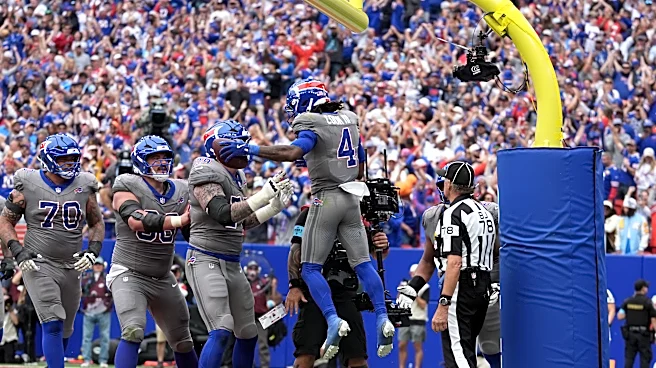



Buffalo’s line stayed intact but had a difficult afternoon, while James Cook and the defense helped the Bills overcome five turnovers.
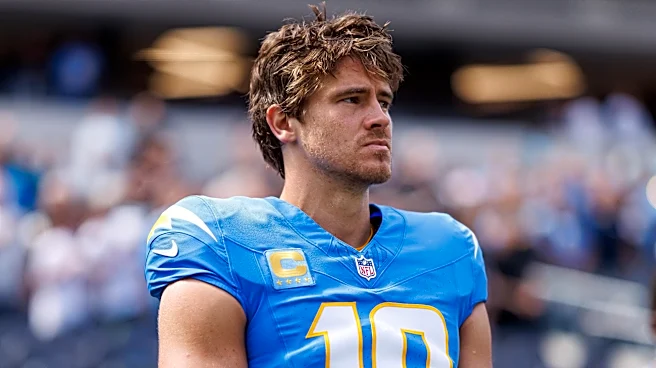
The Buffalo Bills are 3-0, although Sunday’s 24-16 win over the Los Angeles Chargers did not come easily. Buffalo fell behind 10-0, turned the ball over five times and needed its defense to keep the game close long enough for a fourth-quarter comeback.
The snap counts tell part of that story. The Bills ran 66 offensive plays, down from 74 against Detroit in Week 2.
Their defense played 69 snaps, up from 65 a week earlier. Special teams accounted for 23 snaps.
The offensive line went the distance again
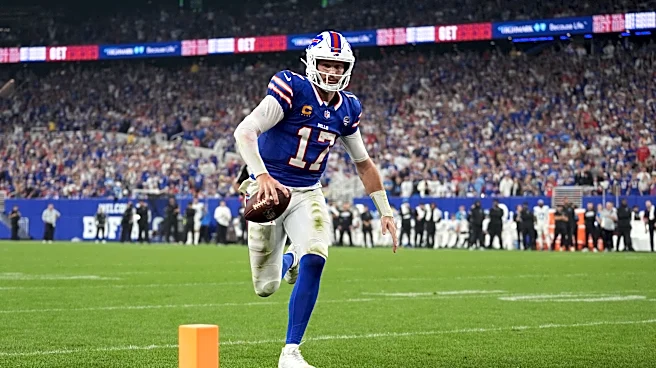
For the third straight game, Buffalo’s five starting offensive linemen played every offensive snap. Alec Anderson, Dion Dawkins, Connor McGovern, O’Cyrus Torrence and Spencer Brown were each on the field for all 66 plays, as was Josh Allen.
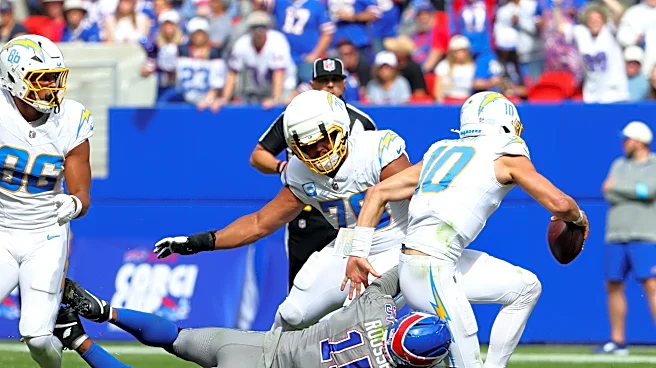
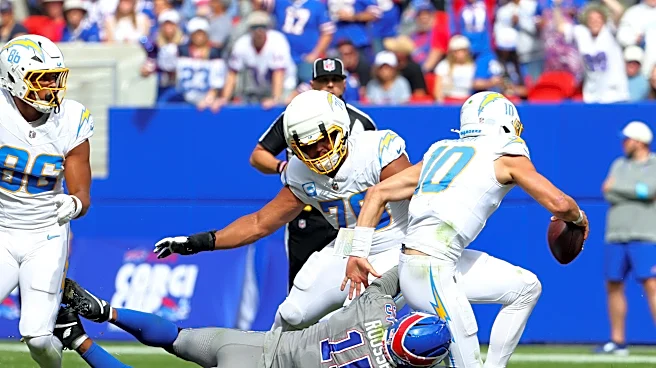
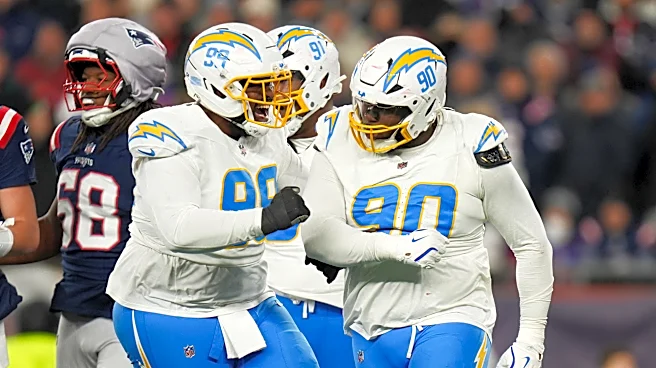
That continuity did not translate into a comfortable day for Allen. The Chargers sacked him four times for a loss of 30 yards. Akeem Mesidor and Khalil Mack had one sack apiece, while Tuli Tuipulotu had two. After two weeks of uninterrupted playing time up front, this was the line’s first real test, and it struggled in pass protection. Allen finished 16 of 26 for 204 yards with two interceptions and no passing touchdowns.
Tight ends remained a big part of the plan
Dawson Knox led the position group with 46 snaps (70%), followed closely by Dalton Kincaid with 44 (67%). Jackson Hawes played 25 snaps (38%), while K. Latu added three (5%). All four tight ends appeared on offense for the third consecutive week.
Among the wide receivers, Khalil Shakir led with 48 snaps (73%), but caught just one pass for six yards on three targets. That gap between playing time and production is one of the more striking numbers in the report. DJ Moore returned to the rotation after leaving the Detroit game in the second quarter and played 42 snaps (64%) against Los Angeles. He was Allen’s most frequent target, catching six of 10 passes thrown his way for 67 yards. Keon Coleman played 32 snaps (48%) and turned one catch into a 37-yard gain; Joshua Palmer played 21 (32%).
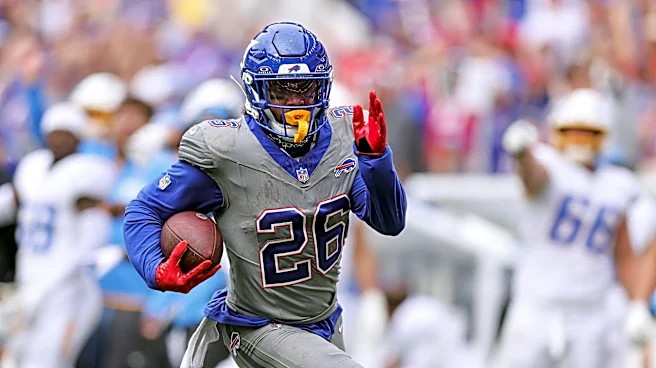
James Cook was again the workhorse. He played 44 snaps (67%) and carried 24 times for 154 yards and a touchdown, averaging 6.4 yards per attempt. Ty Johnson’s return to the field was another bright spot: in only 15 offensive snaps (23%), he caught all four of his targets for 50 yards.

The defense carried the heavier workload
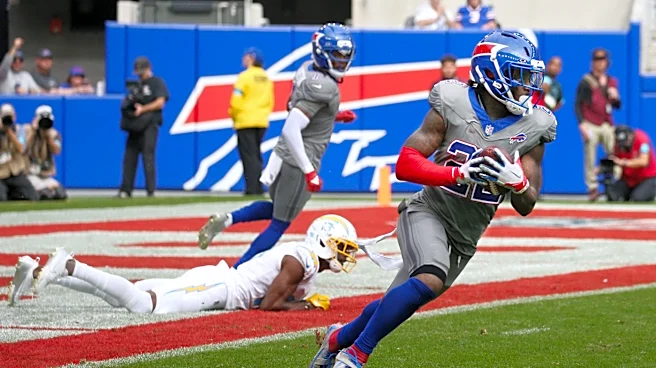
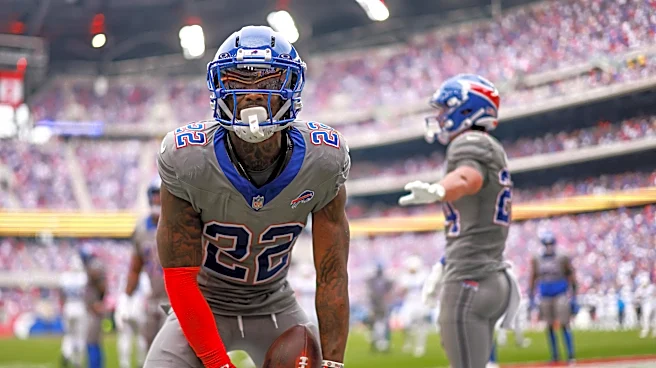
Cole Bishop was the only defender to play all 69 snaps. C.J. Gardner-Johnson missed just one, finishing with 68 (99%). Terrel Bernard logged 64 (93%) after playing every defensive snap against Detroit and Houston. Gardner-Johnson’s fourth-quarter interception at the goal line was the biggest defensive play of the afternoon.
Maxwell Hairston, Greg Rousseau and Bradley Chubb each played 56 defensive snaps (81%). Rousseau made particularly good use of his time, recording two sacks, four tackles for loss and three quarterback hits. He accounted for both of Buffalo’s sacks.
Another bright spot was Dorian Williams, who led the team with nine total tackles in 52 snaps (75%), while Christian Benford also played 52 snaps.
Up front, Deone Walker led the defensive linemen with 48 snaps (70%). Ed Oliver returned after missing Week 2 and played 28 snaps (41%), recording three quarterback hits. DeWayne Carter played 33 snaps (48%).

The Bills gave the Chargers opportunities all afternoon, but the defense limited Los Angeles to field goals after halftime and made the stop that mattered most. The playing time reflects a close game that asked more of the defense than it did a week ago.