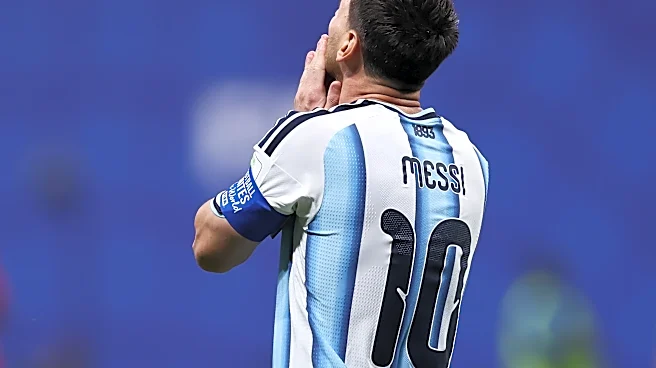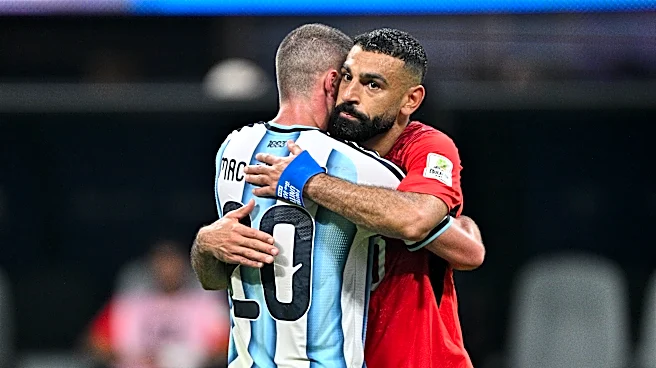




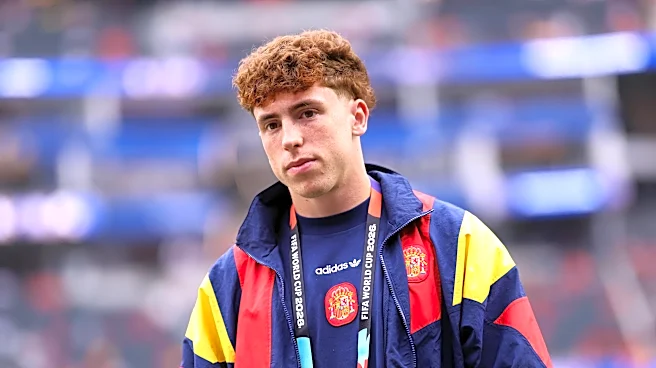
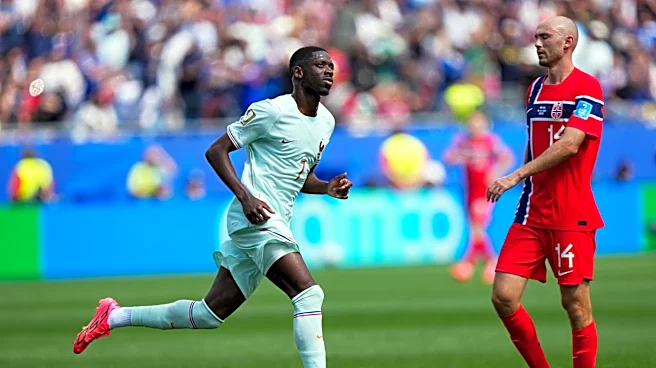


At the start of the Round of 16, Liverpool had only two players in action: Alexis Mac Allister with Argentina and new signing Víctor Muñoz with Spain — though the 22-year-old has been a feature on the bench.
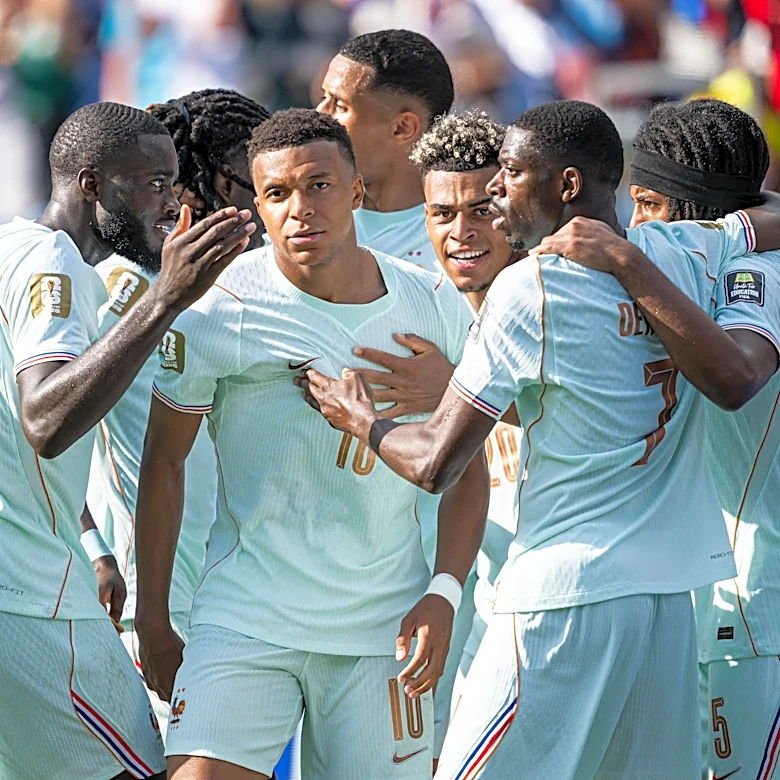
This dearth of Liverpool players is unusual, with no Liverpool names on the England roster perhaps the most striking feature and the one which feels most unsettling (but for some likely makes England easier to root against). This dearth is in part due to teams failing to qualify for the competition:
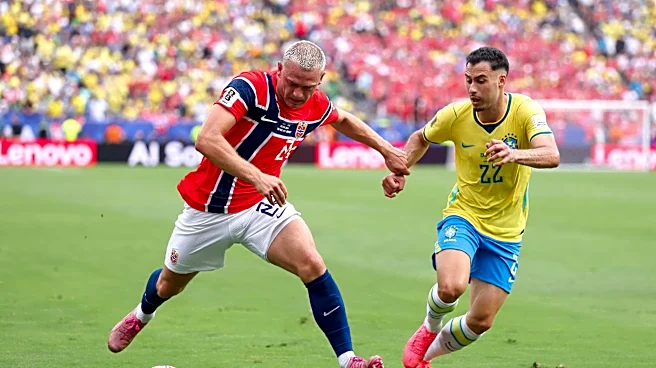
Dominik Szoboszlai and Miloš Kerkez’s Hungary a big name in that category. Injuries, too, affect things: injury is the only reason Hugo Ekitiké, for example, isn’t a part of the latter stages of this competition. The Dutch squad had the largest Liverpool influence, with captain Virgil Van Dijk, Ryan Gravenberch, and Cody Gakpo all having a decent tournament, albeit one which ended earlier than they’d have liked. The same can be said for Alisson at Brazil, with the Brazilian side never quite seeming to click, and Florian Wirtz’s Germany, who seemed amongst the favorites until they were very much not.
Liverpool’s departures in Mohamed Salah, Andy Robertson, and Ibrahima Konaté (who was not picked) signal a big gap of experience in the current roster, though Salah and Robertson have certainly been claimed as Liverpool players.
Overall, it has felt weird as a spectator to have relatively few club-based rooting interests over the course of the World Cup thus far; it hasn’t been like this in major tournaments in recent times.
On the one hand, this could signal the depth of the rebuild needed at Liverpool — worrying signs given how much was spent last summer, but expected given the experience departing at the start of this one. There’s a feeling that the more action at the highest level of international play is tied to your club, the healthier your talent base is.
That said, not having loads of players braving the heat and humidity late on in the tournament has its positives: more physical rest and space for mental preparedness comes with more time off, and this is no small thing. The Reds play one of the more crowded schedules in world football, and we should be grateful when Liverpool players are handed less minutes played elsewhere if we selfishly want them at their best when they’re back at ours.
Of course, the player who has appeared most affected by miles put in for his national team is probably Alexis Mac Allister, who has previously looked a shadow of himself after significant international exploits and travels. It is therefore perhaps not ideal that his name is one of the only two in the latter stages of the competition.
All in all probably a mixed bag. Players want to make an impact at the international level: you can see that in the verve with which goals and progression are celebrated, even amongst the players and teams who have very much been on this stage before. Fans, too, enjoy watching club favorites succeed, and it’s strange more than anything to have very little Liverpool to think about of late in the World Cup.
With a new manager and new club hierarchy taking the reins back home, however, perhaps more time to relax, recover, and adjust are just what’s needed.