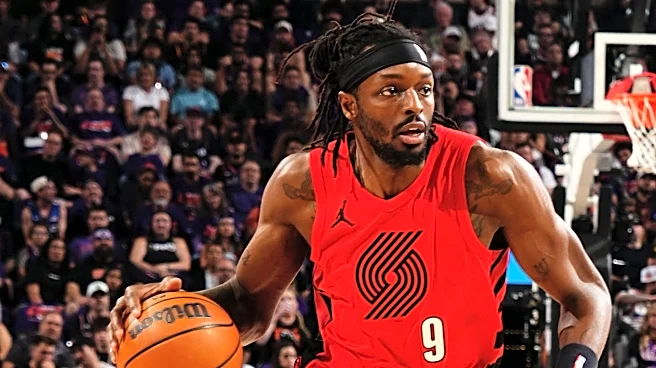

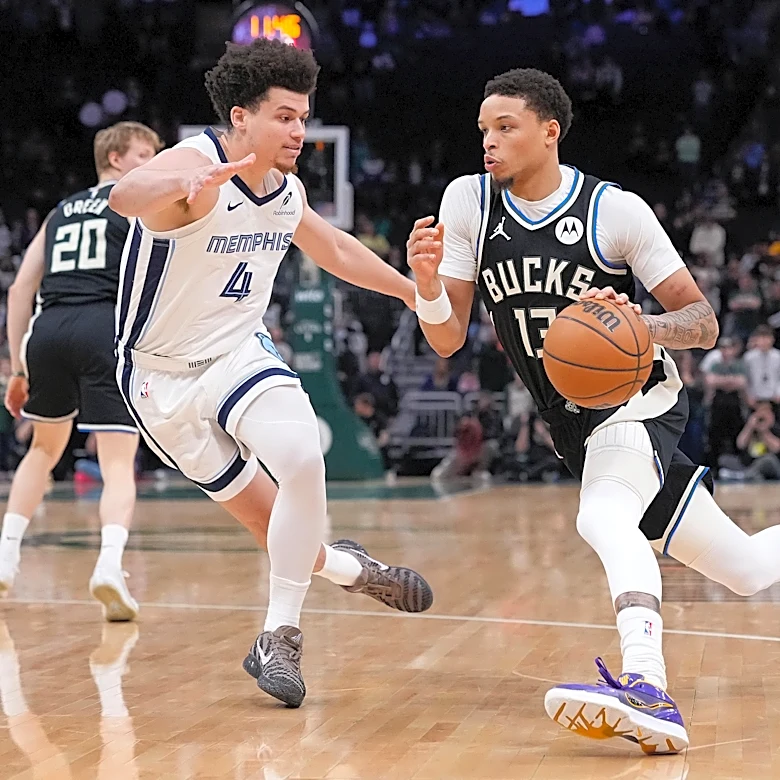



The Phoenix Suns will be one of the more interesting teams to watch this upcoming season for a multitude of reasons. They’re one of the few teams that largely stayed the same and leaned into continuity and development, although they did change 20% of their starting lineup by acquiring Miles Bridges and sending out Royce O’Neale and Grayson Allen.
What makes Phoenix especially interesting is how wide the range of outcomes feels. And yes, you can say that about practically any team in the NBA, especially once
you introduce health into the equation. But with the Suns, I genuinely believe there are several different ways this season can go, and we won’t really know what to expect until we see them on the floor.
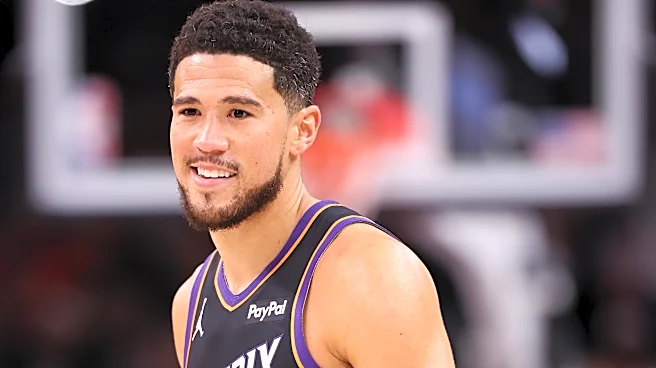
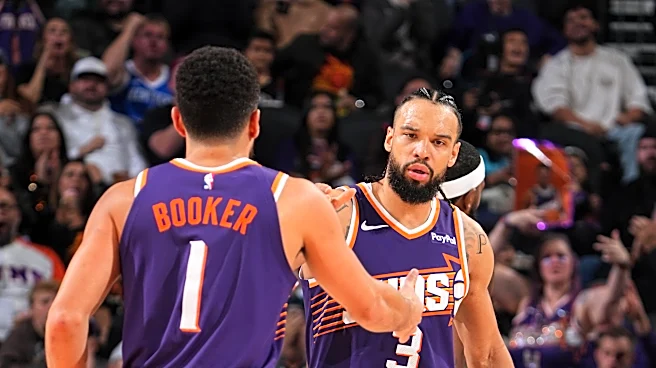
In my opinion, they could win 50 games. They could also win 30. That’s a massive range, and part of the reason is that Phoenix doesn’t have the kind of top-tier player who can drag a team to 50 wins by himself. This is my entire “Devin Booker is not a superstar” argument personified.
Nikola Jokic, Shai Gilgeous-Alexander, and Luka Doncic? Those are players who can elevate an average roster into a 50-win team simply by being present. I think we’re going to see some version of that with the Lakers this season. Booker is a star, and there’s nothing wrong with recognizing that. But there has to be a very specific ecosystem around him for both he and the team to reach their ceiling.
That’s exactly what the Suns are leaning into this season. Team. Not overinflated contracts. Not a handful of high-end players expected to drag everyone else along. A collective approach where the pieces have to fit together and function as intended. And those superstar players I mentioned are the exceptions, not the rule. Not every team has one, and not every team can.
So this isn’t about faulting Booker. It’s about recognizing who he is and the situation Phoenix has built around him. That’s also why health becomes so important. If one part of this roster breaks down, the rest of it could suffer. If one spoke bends, there’s a chance the entire wheel starts to wobble.
The Suns are deep, and I find that encouraging. But they’re also young and inexperienced in several important areas, and we still have to see whether they know how to win close games. That may be the biggest question of all. It’s something we watched them struggle with down the stretch last season: the ability to put teams away when the game tightened late.
There are a lot of different ways this season can go. I’m not shattering any expectations by saying that, but it’s worth recognizing. When you look around the NBA, you can usually get a pretty good idea of where most teams will finish, health notwithstanding. With Phoenix, that feels much harder.
And maybe that’s why the 38.5 win total hasn’t moved much. There is so much codependency within this roster, so much reliance on health and chemistry translating into competitiveness, that it could ultimately become either the reason this team succeeds or the reason it falls apart.
That’s what makes this Suns season so difficult to project and so interesting to watch. Their ceiling won’t be determined by one transcendent player. It will depend on whether Booker, Bridges, Green, Brooks, and the rest of the rotation can consistently amplify one another. If the ecosystem works, 38.5 could look conservative. If it doesn’t, the margin for error disappears quickly. Phoenix isn’t built around certainty. It’s built around connectivity.