



Minnesota Timberwolves vs. New Orleans Pelicans Date: July 9th, 2026 Time: 2:30 PM CDT Location: Cox Pavilion Television Coverage: Prime Video The Minnesota Timberwolves kick off their Las Vegas Summer League slate today against the New Orleans Pelicans, which means we have officially reached that strange portion of the NBA calendar where every fan base convinces itself that a 22-year-old who scores 18 points against a group of future EuroLeague rotation players may have just solved the franchise’s
biggest problem.
Summer League is ridiculous that way, and yet it always matters just enough to keep us watching. Last year, Wolves fans entered Vegas with their eyes locked on the young trio of Terrence Shannon Jr., Jaylen Clark, and Rob Dillingham. After back-to-back trips to the Western Conference Finals, Minnesota needed cheap internal development in the worst way. The roster was expensive and the expectations were real. The Wolves needed those young guys to show they could become actual NBA contributors, not just theoretical rotation pieces fans talked themselves into during July.
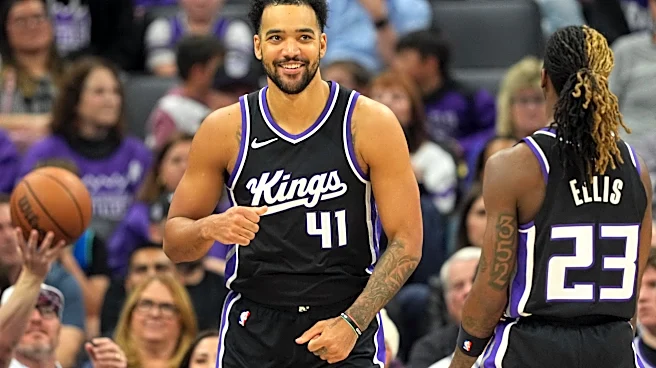
Shannon did his part, at least in the desert. He put together some of the most dominant performances of the entire summer, attacking the rim with the kind of force that made Wolves fans immediately start penciling him into the rotation like he was the answer to the NAW departure. Unfortunately, that Summer League dominance never fully translated into the major year-two leap many hoped for, with injuries slowing him down and preventing him from carving out the consistent role that seemed possible after his Vegas breakout.
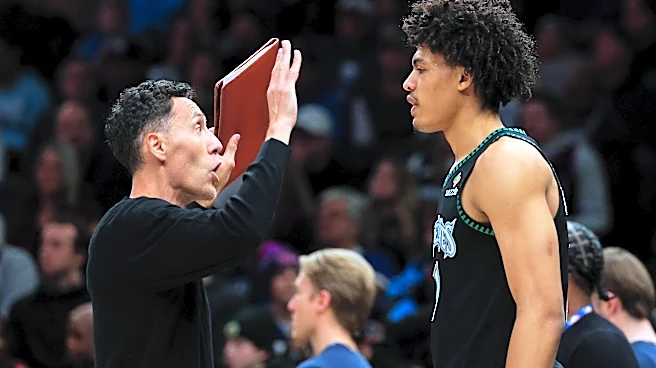
Dillingham’s arc was even more complicated. He entered last summer as the presumed heir apparent to Mike Conley Jr., or at least the young player Minnesota desperately needed to become a viable answer at point guard. The roster had a glaring hole there, and Dillingham’s skill set made him the obvious player fans wanted to dream on. But after a shaky Summer League and an uneven start to his NBA career, his biggest contribution to the Timberwolves ultimately came as the trade chip Tim Connelly used to acquire Ayo Dosunmu at the deadline. That may not have been the romantic version of development anyone envisioned, but it still helped the Wolves make it past Denver in Round 1. Sometimes your young guard becomes the future. Sometimes he becomes the receipt for the guy who helps you survive the present.
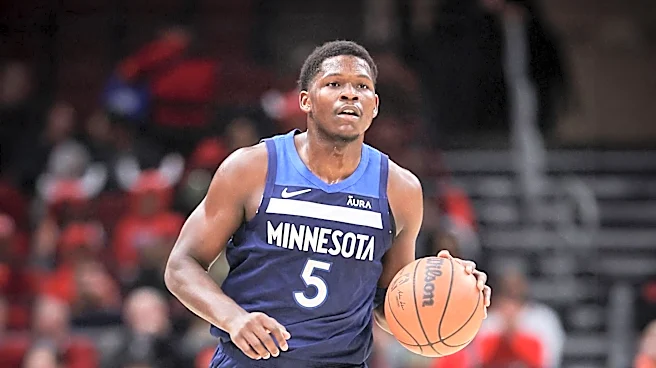
Now the calendar has flipped to 2026, and the Summer League spotlight has shifted from the backcourt to the frontcourt. After trading away Julius Randle and Naz Reid, Minnesota suddenly has a crater-sized opening at power forward. For the last several seasons, the Wolves were defined by size. They were the team with too many big bodies, the team that could throw wave after wave of frontcourt strength at opponents. Now, almost overnight, that identity has been flipped on its head. The Wolves have LaMelo Ball and Anthony Edwards in the backcourt, Jaden McDaniels on the wing, Rudy Gobert anchoring the middle, and a whole lot of uncertainty sitting at the four.
That is what makes this Summer League intriguing. Joan Beringer, last year’s 18th overall pick, is suddenly more than just an interesting developmental prospect. He is now one of the few internal players who could theoretically help patch the frontcourt hole. During his rookie season, the young French big was not ready for prime time, but he showed enough flashes to make Wolves fans raise an eyebrow. What was missing was the polish, the consistency, and the physical readiness required to survive real NBA minutes on a team trying to contend.
That is fine for a rookie. It is less fine when the depth chart starts looking like someone forgot to finish the frontcourt section. Beringer does not need to look like a finished product in Vegas. Nobody should expect that. But he does need to look like someone who has taken a step forward. He needs to be more comfortable defensively, more decisive offensively, and more physically prepared to handle contact. The Wolves do not need him to become a starting-caliber player overnight. They need signs that he can be trusted, even in limited stretches, when the real games begin.
Rocco Zikarsky may be just as interesting. He spent much of last season either in Iowa or buried at the end of the bench, but his combination of size and shooting is exactly the kind of thing Minnesota could use after watching its frontcourt depth get stripped down. Players with legitimate size who can stretch the floor do not grow on trees. For the Wolves, Zikarsky represents a possible internal lottery ticket at a position of sudden need.
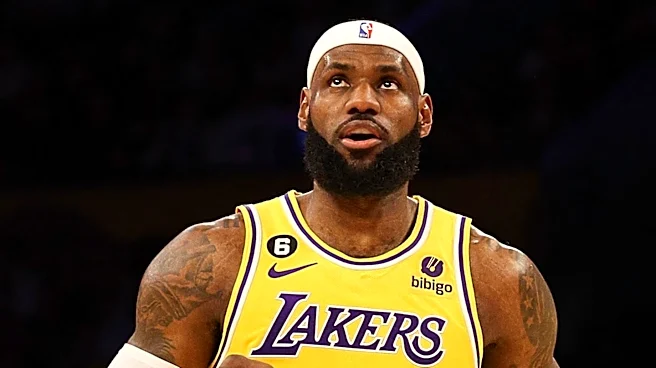
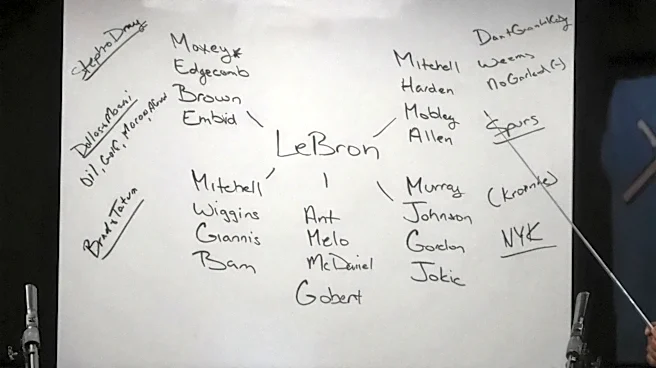
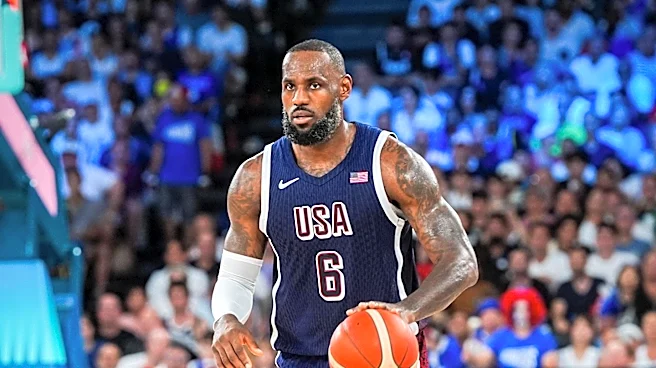
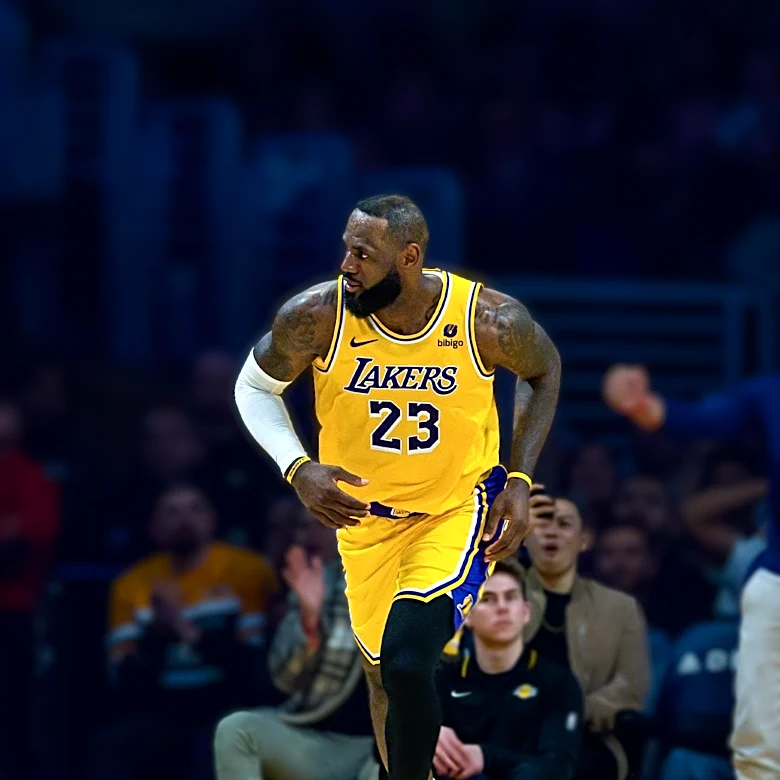
The question is whether either big can do enough this summer to give Wolves Nation something resembling comfort. Can Beringer look like a player ready to push for minutes? Can Zikarsky show that his size and shooting are more than a theoretical skill package? Can one of them step forward enough that fans stop refreshing LeBron James rumors every 11 minutes like Minnesota is waiting for the final rose in some deranged NBA version of The Bachelor?
That last part may be asking too much.
Ultimately, Summer League is not about final answers. It is about clues. A year ago, Wolves fans watched Shannon explode and Dillingham wobble, and both developments mattered in ways that carried into the season, even if not exactly as expected. This year, the focus shifts to the bigs because the roster demands it. Minnesota has made its splash. LaMelo Ball is here. The backcourt suddenly looks electric. The power forward position, meanwhile, looks like a blown fuse.
That makes today’s opener against New Orleans more than just a casual summer run. It is the first look at whether Minnesota has any internal answers.
The game will be televised on Prime, and the Canis Hoopus faithful will have the comments section ready, because if there is one thing this fan base knows how to do, it is care deeply about a July game that may or may not matter six months from now.
Summer League is here.
Let the overreactions begin.