


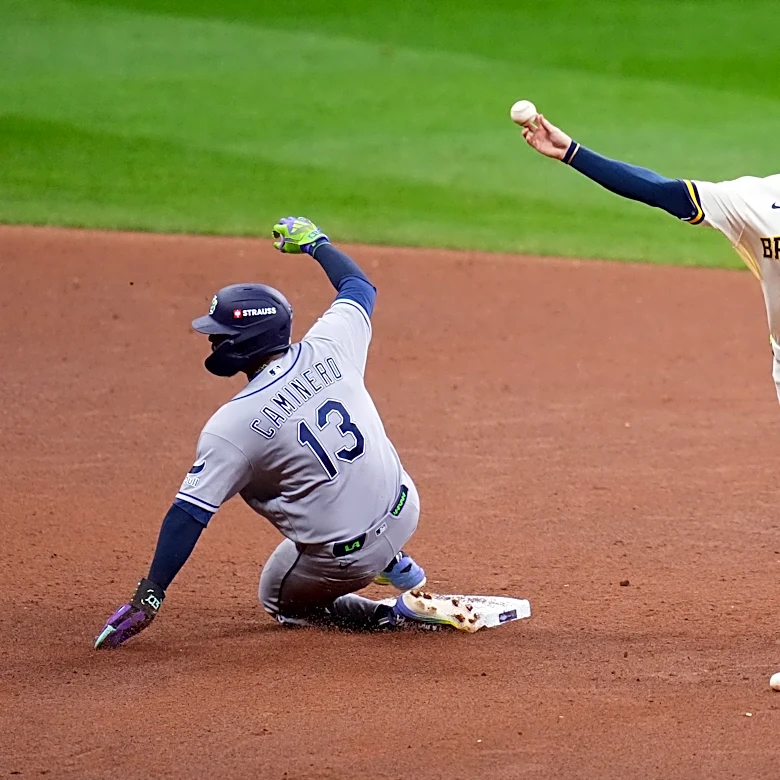


A little over two weeks ago, the New York Yankees were eliminated from World Series contention in the American League Division Series for the second consecutive campaign. At times, they didn’t even put up a fight, being swept by the Tampa Bay Rays 3-0 in the best-of-five series. Prior to that, they won 93 games and finished 4.5 behind the Rays in the race for the AL East. That’s a solid season for virtually any other team, but losing the division and experiencing such an early postseason exit is often
associated with frustration and disappointment in the Bronx.
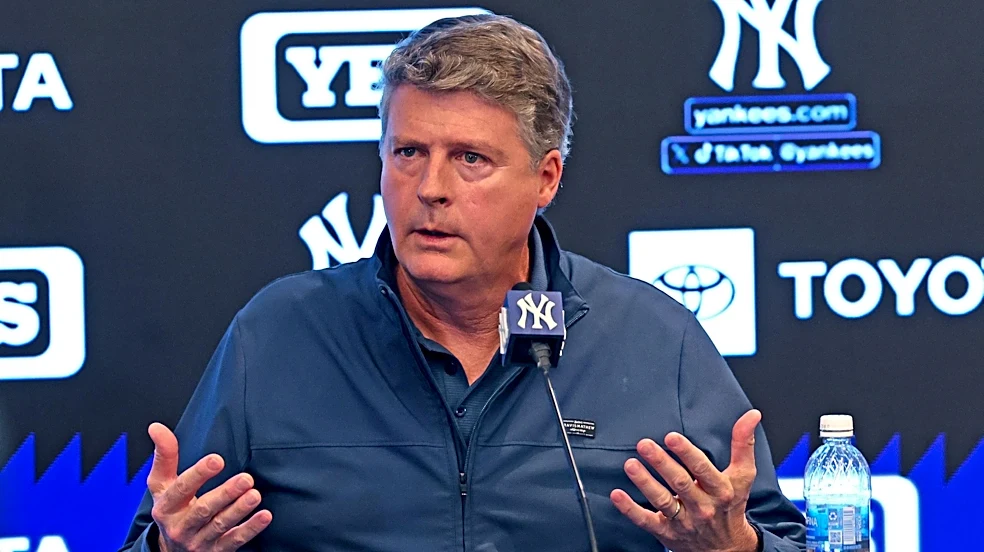
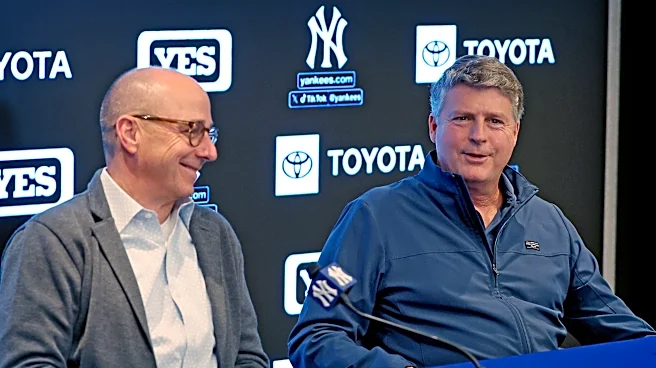
This week, chairman and managing general partner Hal Steinbrenner faced the media and didn’t even hesitate for a second to put it all on the players, particularly the offense.
“I don’t think you can pin the season and the unacceptable end to it on Aaron [Boone],” Steinbrenner said on a Zoom call. “I don’t think you can pin it on [Brian Cashman], based on the roster he put together.
“In the end, the majority of the responsibility — I’ll say it for the fifth time, in my mind, my opinion — lies with the position players and the inability to score on a consistent basis throughout the course of the entire season, for the most part,” Steinbrenner said. “Not on the shoulders of Aaron Boone does the blame lie.”
Usually, in these cases, those who make the decisions and have to face the press either take the responsibility themselves or adopt a shared blame approach. Throwing the players under the bus like this doesn’t seem like a particularly good idea, especially when Steinbrenner decides to employ Cashman as his GM and Boone as his manager — these two are the ones actually choosing the players who step into the box and onto the mound.
One has to think that the Steinbrenner conference didn’t sit well with Aaron Judge, Cody Bellinger, Giancarlo Stanton, and other veterans on the roster. No one knows what is said behind closed doors, but it’s hard to envision the players loving the Zoom conference.
Now, nobody is saying that the players should be on the clear. On the contrary: they deserve a sizable portion of the blame. They were, after all, the ones competing on the field and failing to execute when it mattered against the Rays and, for stretches, during the regular season.
Austin Wells had one of the worst halves in Yankees history for a regular and even after rebounding, he committed a game-changing baserunning mistake in Game 1 of the ALDS. Jazz Chisholm Jr. was inconsistent and error-prone, Ryan McMahon was an offensive liability all year, and Anthony Volpe had another uneven season, just to name a few other disappointments. Trent Grisham had a .613 OPS in the second and then hit .133 in five October games with an awful AB to end the season. Who insisted on using Grisham in both center and then the leadoff spot in the finale, though? And who was responsible for the offense not having any contingency plans at catcher and third base? Yes, the men at the top. Surely they deserve at least some slice on the Blame Game pie chart and not total absolution.
Regarding Grisham at the leadoff spot, no other circumstance, stat, or situation other than “gut feeling” was behind the decision to use him at the top. He had been bad up there all year, and the numbers back it up:
Once Boone and Cashman make a decision, they tend to stick with it even if the house of cards is falling. The ability to adapt and adjust is just not there, nor is the willingness.
The complete lack of self-criticism from Steinbrenner was baffling, and honestly, a bit frustrating. Maybe the players need to be blamed the most for the postseason fiasco, but when the same mistakes occur year after year, it shouldn’t be on the players anymore. Althought the rosters have changed, there have been two constants for every postseason failure from 2018 onward: Boone and Cashman. The Yankees have a losing playoff record under them at 27-30, and the latter’s spotty résumé goes back even longer.
The Yankees have issues in roster and lineup construction, scouting, player development (hitting-wise, at least), and several other departments. Unless they improve some of their resources and practices, they are doomed to keep striking out in October, literally and figuratively.