

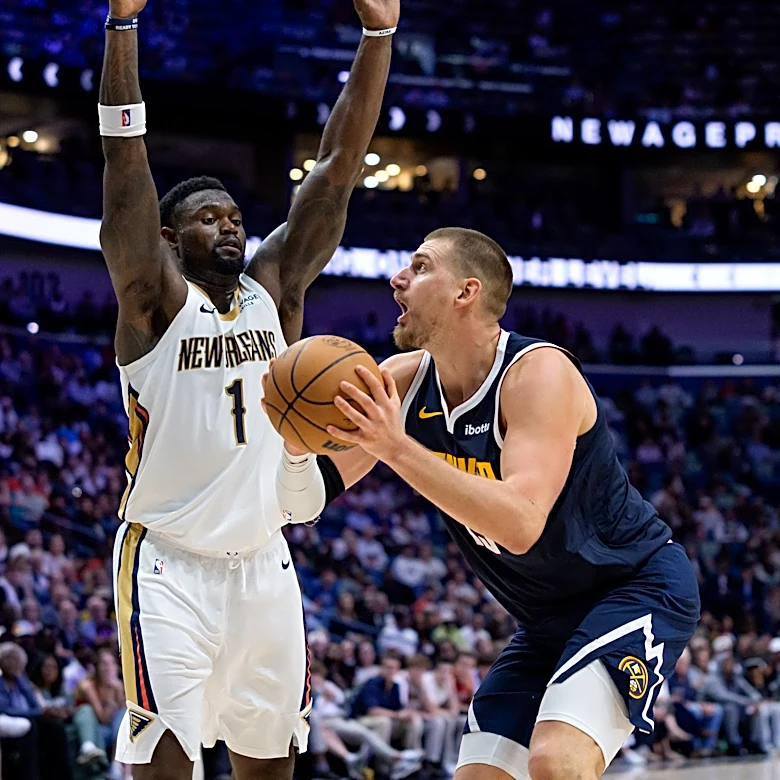


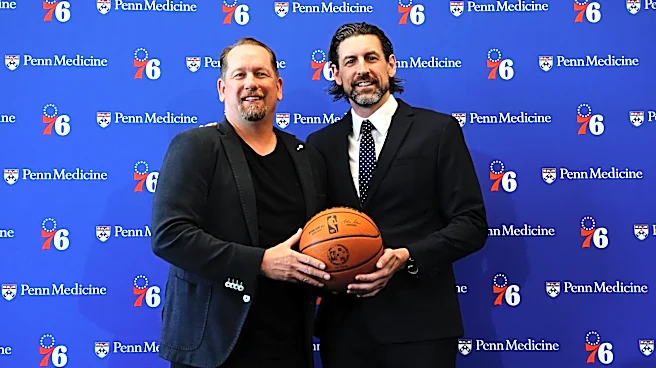
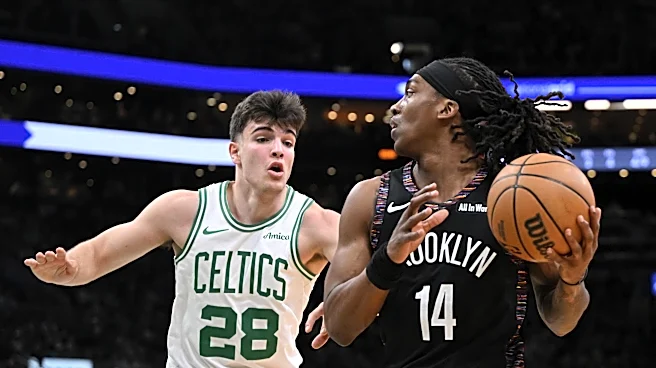
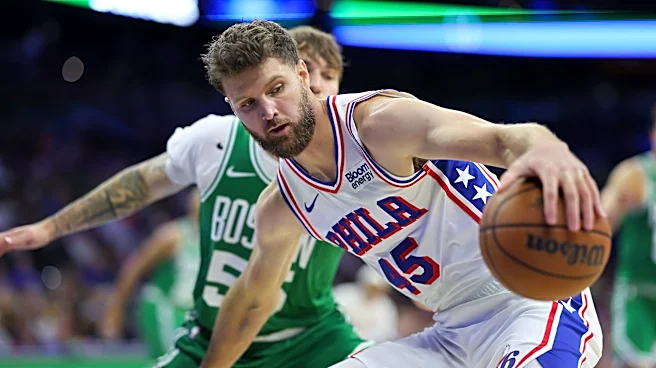

The Sixers’ inability to find a reliable, productive backup center behind Joel Embiid is a tale as old as time. They hoped to solve that this year by signing Ariel Hukporti with a portion of their bi-annual exception in free agency, but Hukporti suffered a season-ending Achilles tear in their preseason opener, sending them right back to square one.
For now, Adem Bona and two-way signee Tacko Fall are the only healthy centers on the Sixers’ roster aside from Embiid. Dominick Barlow (back) and Jabari
Walker (knee) can moonlight at center when healthy, but both are already banged up. That’s left the Sixers turning to LeBron James and Dean Wade as small-ball 5s at times, although LeBron recently made clear that he views that strictly as a short-term solution.
So, what could the Sixers’ solution be in the wake of Hukporti’s injury? Let’s walk through both some short- and longer-term options at their disposal.
The short-term solutions
Free agency?
The Sixers currently sit about $1.8 million below the first apron, which they are not allowed to cross under any circumstance this season. Veteran-minimum contracts have begun to prorate downward by roughly $14,000 per day now that the regular season has begun, but they’d still cost more than $2 million for now.
Starting on Dec. 3, the Sixers could fill their last open roster spot by signing someone to a prorated rest-of-season minimum deal. They’d still be under the first apron without dumping additional salary. However, signing someone that day would leave them less than $15,000 below the first apron, which could complicate anything they might hope to accomplish at the trade deadline.
In the meantime, the Sixers could sign an undrafted rookie to a minimum deal since those players’ salaries top out at $1.3 million instead of $2.4 million. However, win-now teams typically don’t like to rely on undrafted rookies at a critical position.
Trade options
Until Dec. 15, the Sixers’ trade options are limited. They aren’t allowed to trade anyone whom they signed in free agency this offseason, which means Barlow ($3.4 million), Walker ($2.6 million) and Justin Edwards ($2.4 million) are their main trade chips for now.
Teams typically don’t start making trades until Dec. 15 for that reason, but the following centers are relatively inexpensive and therefore could be of varying interest to the Sixers.
- Thomas Sorber, OKC Thunder ($4,887,720)
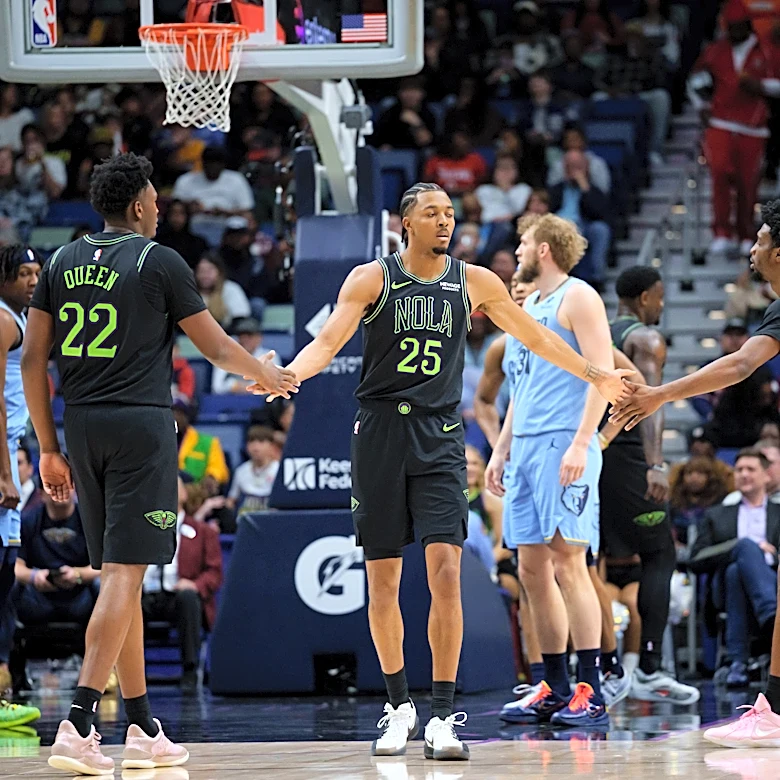
- Yves Missi, New Orleans Pelicans ($3,512,760)
- Jericho Sims, Milwaukee Bucks ($2,801,346)
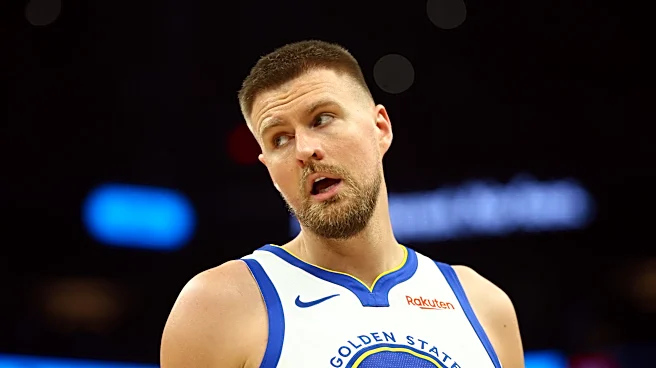
- Charles Bassey, Golden State Warriors ($2,449,421)
- Tony Bradley, Utah Jazz ($2,449,421)
- Thomas Bryant, Cleveland Cavaliers ($2,449,421)
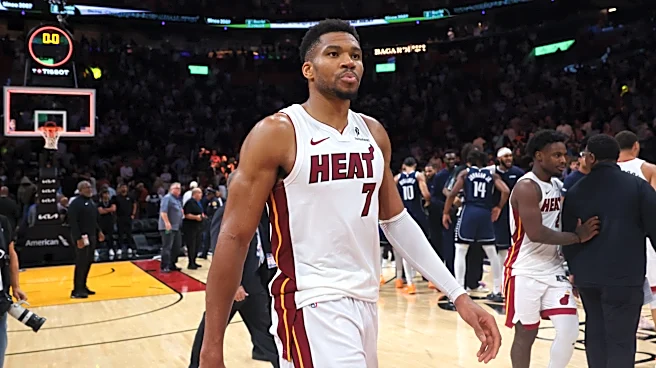
- Nick Richards, Miami Heat ($2,4491,421)
- Moussa Cisse, Dallas Mavericks ($2,185,116)
- Maxime Raynaud, Sacramento Kings ($2,150,918)
Since the Sixers are under the first apron, they can take back more salary than they send out in a trade as long as it doesn’t push them past the hard cap. Aside from Sorber, they could swing a deal involving Edwards’ contract for any of those other bigs and would stay below the first apron.
Bassey was originally drafted by the Sixers and got a brief cup of coffee with Philly on a 10-day contract last year, while Bradley played 20 games for the Sixers in 2020-21. Most of the centers listed above shouldn’t cost more than a second-round pick or two to acquire, although the Pelicans and Kings would likely expect more for Missi and Raynaud, respectively.
Another two-way
The Sixers currently have Fall, Caleb Love and Rayan Rupert filling their three two-way spots. They could always waive one of those three and sign someone else in their place. Two-way contracts don’t count against the salary cap, so such a move would have zero hard-cap implications.
Hunter Dickinson, Jamarion Sharp and Andrew Holifield all could be of varying interest. Heck, the Sixers could even bring back old friend Johni Broome on a two-way, although he didn’t exactly prove worthy of a rotation spot last year as a rookie.
There don’t appear to be a ton of great options available on the open market for now, but who knows? The Sixers’ scouting staff could always have an ace up their sleeves.
The longer-term solutions
Free agency
Again, the Sixers could technically sign someone to a rest-of-season minimum contract as early as Dec. 3. But the longer they wait, the less it will cost, and the more they’ll get to maintain their optionality leading up to the Feb. 11 trade deadline.
If they did wait until Feb. 12 to sign someone to their open roster spot, it would cost them less than $850,000. That would give them more flexibility under the hard cap to make other moves at the trade deadline.
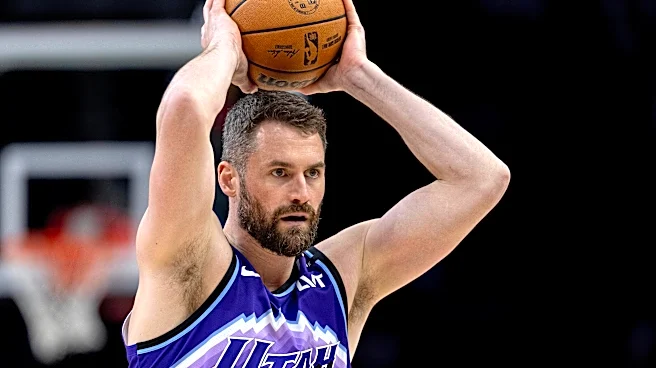
We’ve already covered a handful of possible free-agent options for them, including Kevin Love and Drew Eubanks. ESPN’s Dave McMenamin reported in August that Love’s agent had already been in touch with the Sixers after they signed LeBron, whom he played alongside in Cleveland for four years. Love has never been a great rim protector, but he’d address two major weaknesses (long-range shooting and rebounding) for the Sixers.
If LeBron thinks having another championship-winning veteran in the locker room would help the Sixers’ own quest for a title, who are we to argue?
Trades
Come Dec. 15, the trade market should begin to open up. Most players who signed with teams in free agency this past summer will become trade-eligible, which includes Hukporti ($3.4 million), Wade ($9.0 million) and Anfernee Simons ($6.0 million) for the Sixers.
Even if the Sixers aren’t willing to part with Wade or Simons, being able to dangle Hukporti’s contract could open the door to some bigger swings.
Again, the Sixers can take back $1.8 million more in salary than they send out in a trade. Goga Bitadze ($7.6 million), Clint Capela ($7.0 million) and Isaiah Jackson ($7.0 million) might be out of their price range unless they’re willing to move either Wade or Simons, but they could combine Hukporti and Edwards to get up to Jaxson Hayes ($6.0 million). Granted, they’d have some major off-court questions to answer if they went that route.
If they were willing to dangle Wade or Simons, that could put Day’Ron Sharpe ($10.0 million), Jalen Smith ($9.4 million), Brook Lopez ($9.2 million) and Moe Wagner ($9.0 million) in play. It’s unclear whether the upgrade at backup center would be worth giving up either of those two, though.
The buyout market
Another benefit of being below the first apron is that the Sixers aren’t limited in the buyout market. Teams above the first apron aren’t allowed to sign players who were previously earning more than the non-taxpayer mid-level exception.
It’s still early in the season, so it’s unclear who (if anyone) might be a buyout candidate. The new draft-lottery system and the “relegation zone” could cause would-be tanking teams to think twice about tearing down their rosters.
With that said, a number of title hopefuls—including the reigning champion New York Knicks, Minnesota Timberwolves and OKC Thunder—are already above the first apron, which means they’re precluded from signing players who were previously earning more than the non-taxpayer MLE on the buyout market. The Cleveland Cavaliers are only $45,000 below the first apron at the moment, so they’re effectively unable to do so as well unless they shed salary elsewhere between now and the trade deadline.
If the Sixers are granted a Disabled Player Exception for Hukporti, they’ll be able to offer more than the value of a rest-of-season minimum to a player on the buyout market, which could make them an even more appealing landing spot. You know, in case teaming up with Embiid, LeBron, Jaylen Brown, VJ Edgecombe and Tyrese Maxey wasn’t appealing enough.
None of these options are perfect, but it’s hardly a state secret that the Sixers need more help at center. Expect team president Mike Gansey and Co. to peruse the market for the next few months to identify the best solution given their financial and draft-pick resources.