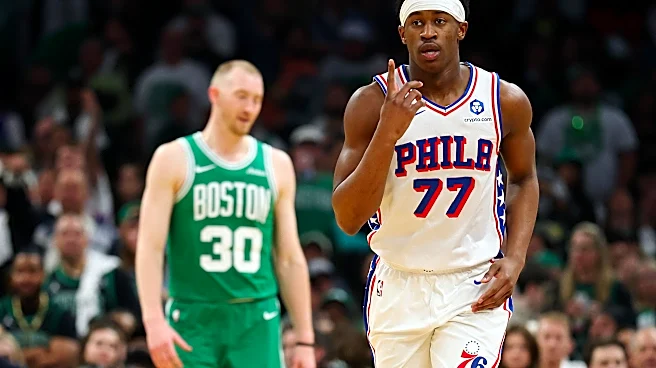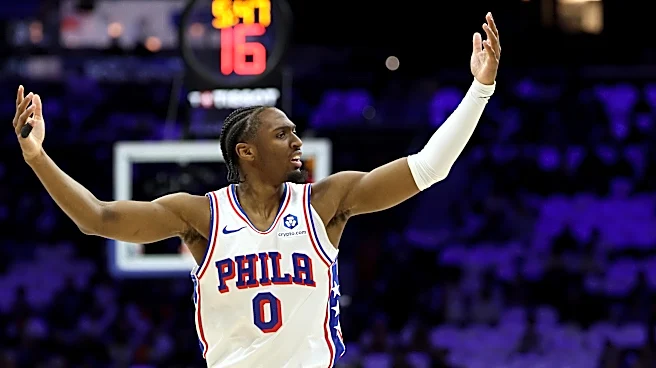








Tyrese Maxey’s 2025-26 campaign started very similar to his year from a season prior. He was tasked with an incredible minutes load in order to lead whatever starting lineup was able to make it onto the court for the Sixers that night. Unlike the previous season, he was ready for the burden.
Coming out firing, Maxey was one of the league’s top scorers averaging 30.8 points per game through the first two months of the season shooting 46% from the field and 39% from three-point range. Even as his averages
dipped as the season went on to 28.3 points and 6.6 assists per game on 46%/36%/89% shooting splits, it was still good enough for him to earn his second All-Star appearance and first selection to Third Team All-NBA.
On top of being the league leader in minutes per game, a reason Maxey’s production waned was a finger injury he suffered in March that sidelined him for roughly three weeks. He was able to return to form before the end of the regular season and played as big a part as any in the team’s comeback from down 3-1 in the series to defeat the Boston Celtics in the first round.
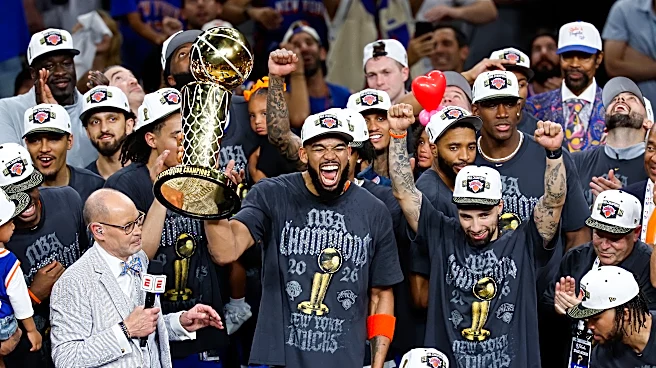
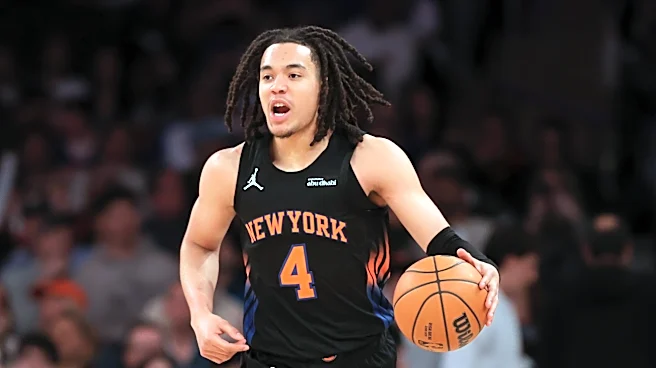
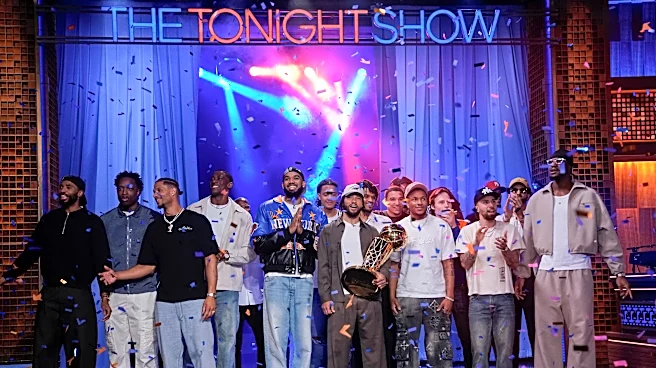
He tweaked that finger again early in their second-round matchup against the New York Knicks. Looking hampered, Maxey and the Sixers were dead on arrival against the eventual 2026 champions.
Despite having a familiar end, Maxey’s regular season was a delight from start to finish. He became the efficient scorer he needed to in order to be the No. 1 option of an offense, he handed the keys off to VJ Edgecombe enough to allow him to grow as a long-term running mate in the backcourt, and his chemistry with Joel Embiid made it possible to integrate the big fella quickly after extended absences.
Turning production into wins was the next step in Maxey’s journey. There’s still a lot of room for him to grow, but for the first time in Embiid’s career, it was a genuine debate as to weather he or Maxey was the most important Sixer on the floor to do so.
Obviously, the majority of the 3-1 deficit the Sixers fell into came before Embiid had returned from his appendectomy. At the same time, the only game the Sixers had a chance of taking off New York, Game 2, came without Embiid in the lineup and the difference in that game ended up being the minute and a half Maxey spent on the bench.
That’s one of many reasons why his performance in that series is weird to evaluate. The finger injury definitely hampered him. After averaging 26.9 points on 21.6 shots a game in the Boston series, he averaged just 18.3 points on 15 shots against the Knicks.
The second round series defeat highlighted a truth that had been emerging all season: it was hard for the Sixers to win if Tyrese Maxey wasn’t absolutely cooking.
That somehow hasn’t been as straightforward for the starting point guard on a max contract. The Sixers’ offense dramatically shifts to work around Embiid when he returns to the court, and it normally takes a game or two for them to figure that out and adjust. The most famous example of this may now be Game 4 against Boston.
Maxey even said during the season that he was struggling with the amount of roles he had to take on any given night.
His ability to do so is what’s made him the bridge for the franchise to transition from era to era. He sits right in between the aging former MVP trying to extend his career and the 20-year old who just had a potentially franchise-altering rookie season. For as long as the Sixers have their supposed “Big 4” on the roster, it is Maxey’s job to make it all make sense.