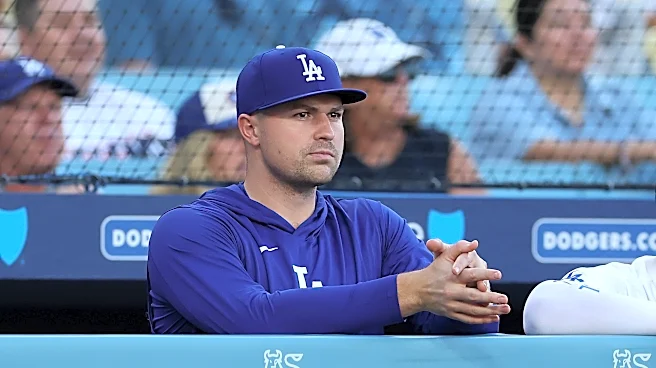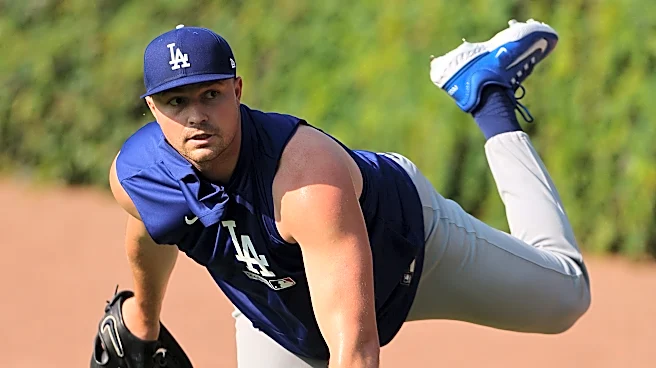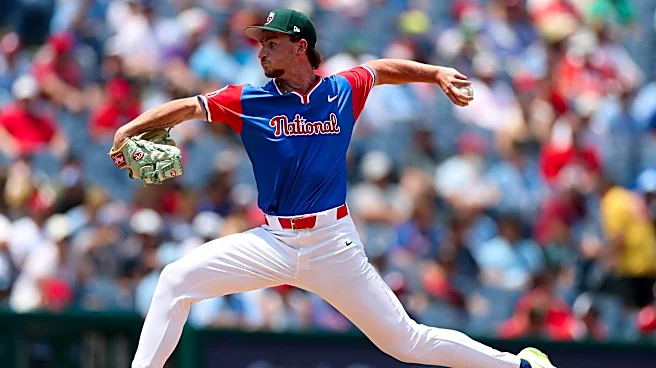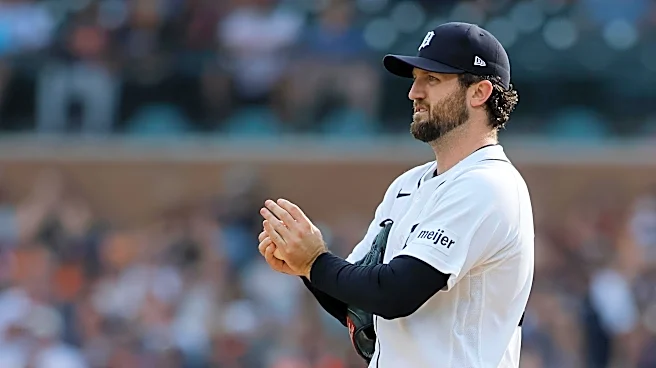


Well at least it’s over. If you like a storm of rumors and a trading frenzy that last a whole weekend, the MLB trade deadline is right up your alley. But for fans of a team that had high hopes, failed, and sold off, you really just want to rip the band-aid off and move on. The Detroit Tigers farm system is now seriously upgraded, but their major league roster, more specifically their starting rotation, is in sketchy shape with the departure of Tarik Skubal and Casey Mize. Let’s consider where the organization
stands after a pretty momentous week in Tigers baseball.
As much as it hurts the starting rotation to lose Skubal and Mize, the immediate impact to the team won’t be too terrible. They still have Troy Melton, Framber Valdez, and Keider Montero and plenty of spot starting options. Over the rest of the month, Jack Flaherty, Jackson Jobe, and River Ryan are all slated to return to action off the injured list. The team has no excuses if they just crumble into dust here. Ty Madden, Enmanuel de Jesus, and veteran lefty acquisition Jackson Wolf, who would need a 40-man spot, can help bridge the gap until those starting pitchers are worked into the fold. The Tigers coaching staff has tended to be at their best when confronted with adversity in the rotation, and Melton and Montero’s usual efficiency could moderate the added demands on the bullpen.
The impact of regular season Skubal is in big part his ability to give the Tigers consistent starts and help keep the bullpen in order while putting up really good outings. The other big impact an ace has is in the postseason when pitching staffs get more concentrated by the schedule and teams can get a higher percentage of innings in a playoff series from their top arms against the best competition. Neither of these is a major concern for the Tigers at the moment.
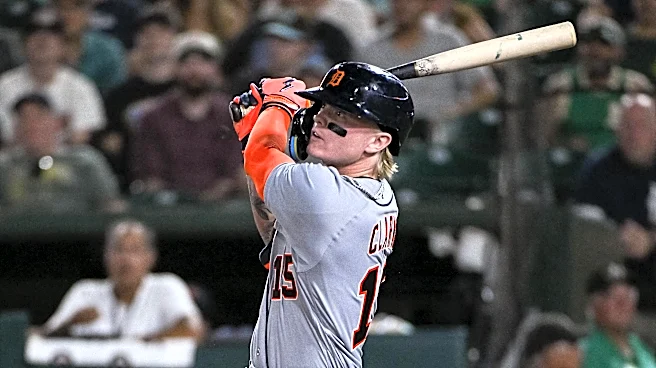
On the plus side, the Tigers position player group has improved markedly in recent weeks. Whatever Max Clark does over the final eight weeks of the season, he’s an upgrade over James Outman’s work and is giving the Tigers a good look at a pretty exciting and evolving core positional group. Eduardo Valencia remains a nice boost to an offense that spent three months trying to squeeze something out of Jahmai Jones. Hao-Yu Lee has been a nice contributor as well, while Ben Malgeri has given the Tigers a decently productive right-handed hitting outfielder with solid defensive chops, exactly what Matt Vierling struggled to provide for most of this season. At the same time, the return of Javier Báez and Gleyber Torres give them some added stability and spark for the rest of the season.
The big problem is the same problem they’ve had for two seasons now, and that’s their struggle to build a good bullpen with a dominant late innings, high leverage reliever or two to put games away late. It’s a lot harder to find any solace on that front, and while the Tigers can hope for another late run to the postseason, their inability to close out games continues to undermine any hopes that there’s some magic left in this season.
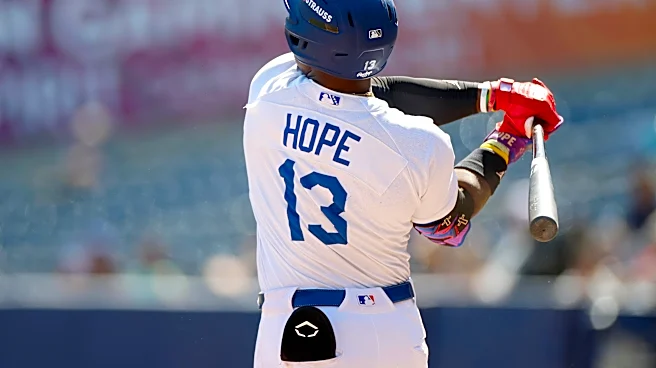
The Tigers did the right things at the deadline under the circumstances. They pulled off two good trades that restocked the farm system and the overall pitching staff. They have a talented group of position players under team control for a long time to come, and it wouldn’t be a big surprise if they now turn their attention to locking up Clark on a long-term extension. The Tigers will have Zyhir Hope, Josue Briceño, and Thayron Liranzo all in Triple-A next year, alongside solid secondary prospects like Brett Callahan and John Peck. They’ll also have a lot of payroll space to work with in what will probably be another compressed signing frenzy whenever the next collective bargaining agreement is arranged. Fears will continue that the league may lose part or all of next season, but those fears accompany every CBA and rarely is the game of chicken allowed to impact anyone’s bottom line in the end by costing the league games.
So, there are a lot of good reasons to just sit back and enjoy the Detroit Tigers. Others will be too frustrated with the way this season has gone and with the front office to be real keen on spending time and money on the club the rest of the way. The 2026 Tigers have been an exhausting, often entertaining, but ultimately frustrating team to root for, and it’s not a bad time at mid-summer to take a breather.
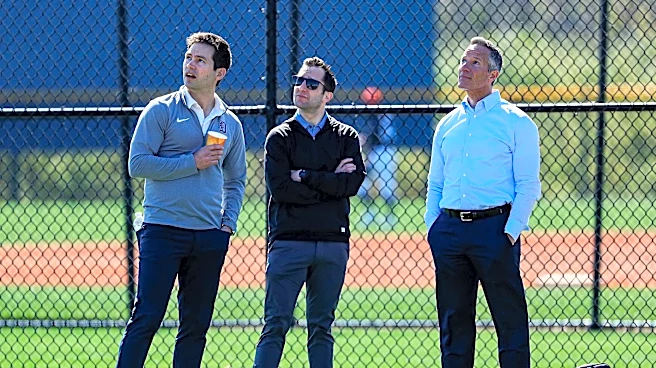
Scott Harris gave a lengthy question and answer session with the local media on Monday evening. He did a much better job acknowledging his own mistakes and failings and how they contributed to their failure than he did last year. That’s perhaps a sign of growth, but it’s also a sign that he’s getting too much practice at explaining why things didn’t go the Tigers way so far this season.
The fundamental issue in this front office remains the same. The pro scouting side of the front office, both scouts and analysts, have really struggled to identify pitching to acquire. Instead of catching undervalued names on the upswing, both starters and relievers, and targeting them for signings and trades, they’ve again and again signed or otherwise acquired pitchers who gave them very little or nothing at all, while wasting a lot of capital in the process.
At the same time, the Tigers have really struggled to develop the young pitchers acquired under Harris. Their player development process needs a real overhaul. Part of the reason they haven’t been able to put together a good bullpen is simply due to a lack of internal options in the upper minors. As the large crop of pitching Harris inherited from Al Avila started to dry up, they had no answers. If they had a few starting pitching prospects closing in on the major leagues this year to convert to relief roles, or managed to trade and develop some high leverage arms, a lot less would have been required from an always sketchy crop of free agent relievers each season.
Scott Harris and Jeff Greenberg presumably will not be fired, but they are going to have to explain themselves to Chris Ilitch, and make a convincing case that they can overhaul their approach and get the pitching side sorted out. The Tigers’ future in 2027 and beyond looks very bright in terms of the young talent in the organization. However, unless they can improve their processes in pitcher evaluation, acquisition, and development, they’re still going to have a hard time getting over the hump and becoming a real postseason threat. A new rotation group of Troy Melton, Framber Valdez, Jackson Jobe, River Ryan, Keider Montero, and potentially Reese Olson, looks pretty good on paper heading into 2027. They’ll have money to spend as well, but again their track record in free agency has been pretty grim so far. Unless they figure out how to consistently put together a good bullpen, and spend their payroll more effectively on the pitching side, it’s all for naught anyway.
Objectively, the Tigers organization is in a really good place. It just doesn’t feel like it because faith in the front office is crumbling after a fast start in 2023-2024. Were a new front office to take over the Tigers right now, they’d be thrilled with the assets they have to work with at every level of the organization. There are no excuses available. Everything is still set up for them to be consistent contenders who, with a few shrewd moves, should be a real threat in October for years to come. The problem is that this has been the situation for three years now, and Harris and Greenberg have been unable to get them over the hump.
The fanbase will have to decide individually how much they want to invest time, money, and emotional energy in this club the rest of the way, but there is no teardown or rebuild coming. There are no more excuses. Expectations and pressure on this front office should be very high, and if the deals they made at the deadline trend badly, and they fail to figure out the bullpen issues, the hot seat should approach unsustainable levels next season for the front office. For many, we’re already there.