






Earlier this season, WNBA offenses were producing at a blistering rate.
At the time, we wondered whether this was just the effect of a small sample size and teams would regress to the mean by season’s end. With just a couple of games left before the regular season concludes, we have our answer: The WNBA is having a historic offensive season.
Across virtually every metric, the ball is going in more than ever before. This season, WNBA teams are setting record highs in points per game (87.1), effective
field goal percentage (51.6 percent), offensive rating (104.9), and pace (83.1).
Let’s dig deeper into why offenses are soaring, and in the comments, be sure to share your perspective.
Are offenses that good? Or, are defenses that bad?

Even the best defenses aren’t finding much success slowing down these offensive juggernauts.
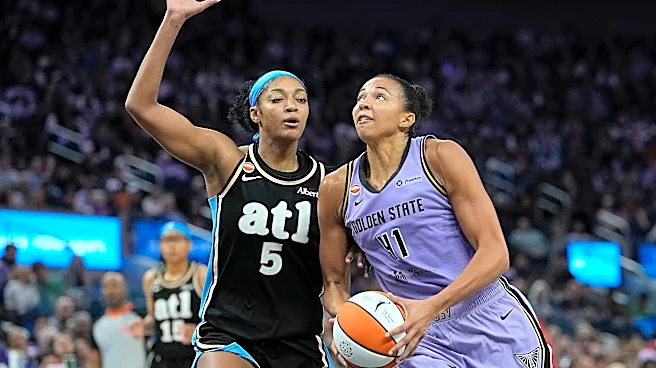
The Golden State Valkyries are the only team with a defensive rating under 100. This will be the first year in league history where only one team has a defensive rating below the century mark.
Why are offenses doing so well? Is it because the offenses are that good, or is the defense that bad?
Minnesota Lynx head coach Cheryl Reeve indicated it was the latter before her team took on the Sparks on June 17, stating:
I don’t think players are playing as much defense as they have in the past. We’ve become very very offensive centric in the mindsets of, I would say, the majority of the teams. So we can’t figure out whether we’re actually that good defensively or if nobody else is really that interested.
That was a damning statement from Reeve, who currently has the Lynx as the WNBA’s second-best defense. Still, things aren’t always black and white. This conversation requires some gray.
WNBA young guns have offenses firing

Young players are coming into the WNBA as ready-made products.
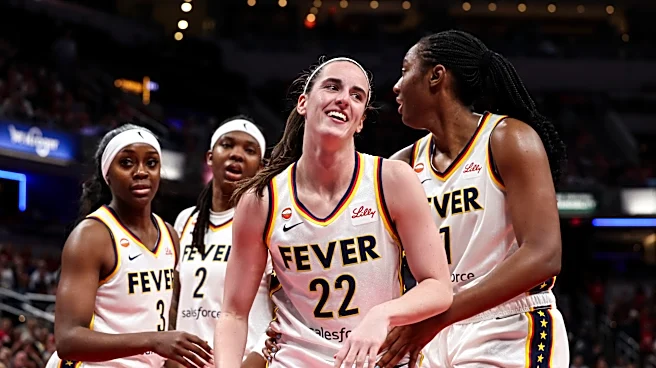
Caitlin Clark, Olivia Miles and Paige Bueckers have come through like hurricanes do. Terrorizing everything in sight, giving the league little to no time to adjust to their explosive games.
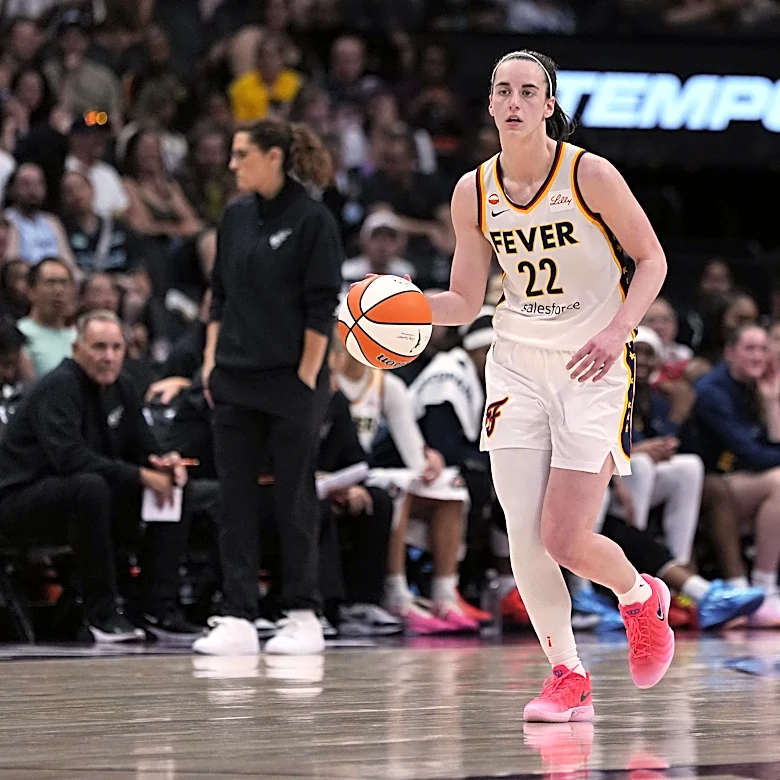
This season, Caitlin Clark had the first 45-point and 10-assist game in a win over the Seattle Storm. She also became the first WNBA player ever to post back-to-back 30-point and 10-assist games. There have been 13 games in which Clark has had double-doubles in points and assists this year, and she needs three more to set the WNBA single-season record. With four games left for Indy to play, that seems achievable.
Bueckers is averaging 20.4 points per game while shooting 50.8 percent from the field. She is one of three guards scoring at least 20 points and making half of their shots. The other two are Kelsey Plum and Kelsey Mitchell.
Olivia Miles is setting a new standard for rookies. She is averaging 19.7 points and six assists per game, while knocking down 39.6 percent of her 3-point attempts. Miles has done all of this while also leading the Lynx to the best record in the WNBA.
It’s not just the new school that’s dominating; the veterans are scoring in bunches as well.
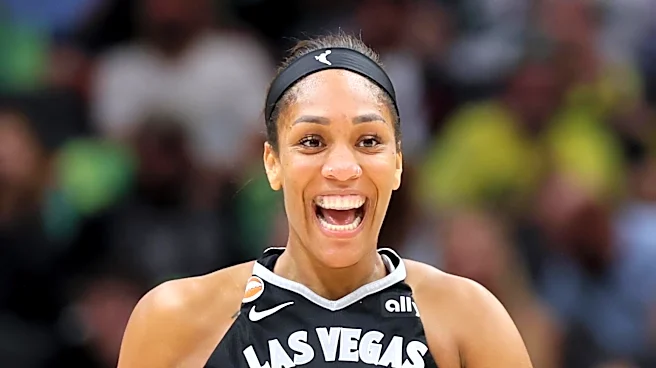
A’ja Wilson leads the league in scoring, averaging 26.1 points per game. If she can keep her points at that level, she will become the first player in league history to average at least 26 points in multiple seasons. And Marina Mabrey had the most spectacular individual performance this season, tying the single-game scoring record with 53 points against the Sparks.
Defenses (eventually) will adjust

Currently, it feels like offenses will only get better and continue progressing forward for years to come.
However, every action has an equal and opposite reaction. Defenses will counter and find ways to limit and frustrate the best offensive players in the WNBA. But those changes will happen over time.
For now, enjoy the offense that is on display. It might feel like the norm, but it’s not. These players are doing things that haven’t been done before in the WNBA, and that deserves to be celebrated.
And once the playoffs come, defense will factor into who wins it all.