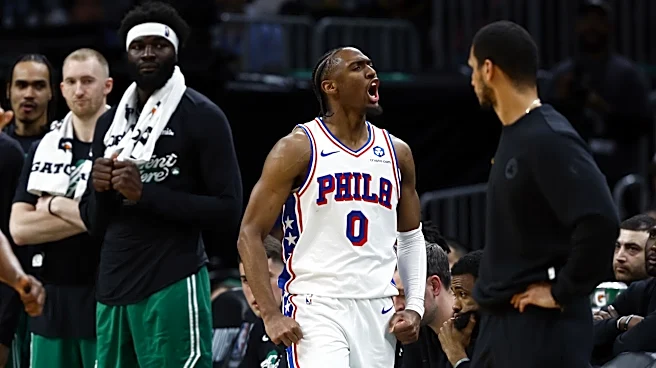





Tyrese Maxey has been living quite comfortably in this series.
Not in the sense that every shot is falling or every possession ends in points, but in the way that’s slightly concerning with every passing game. Through three games, he’s largely been getting to his spots and dictating pace. When the Sixers need something to settle a possession or tilt momentum, the ball finds him and the floor opens up just enough for something good to happen.
Boston hasn’t fully solved him yet. You can’t expect to with
a guy like him. Game 3 didn’t change that, but it did show how thin the margin is.
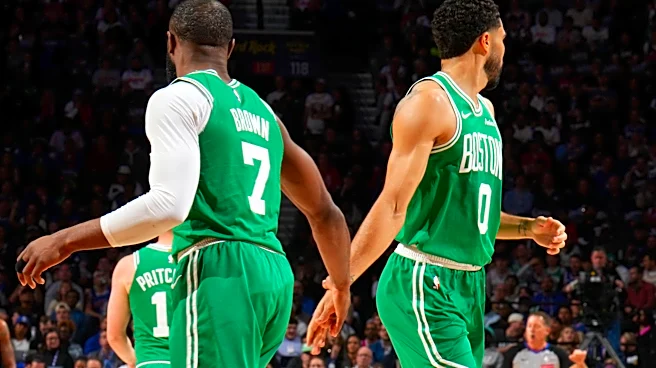
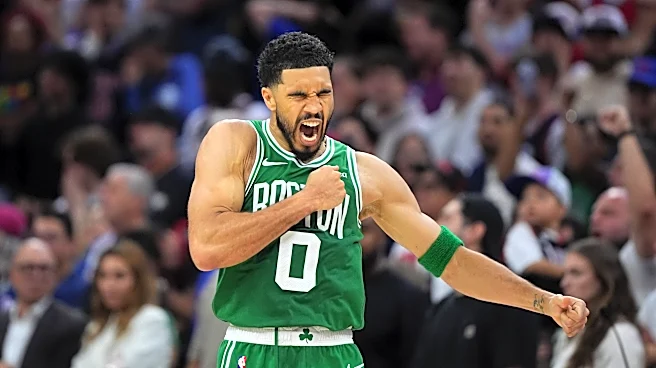
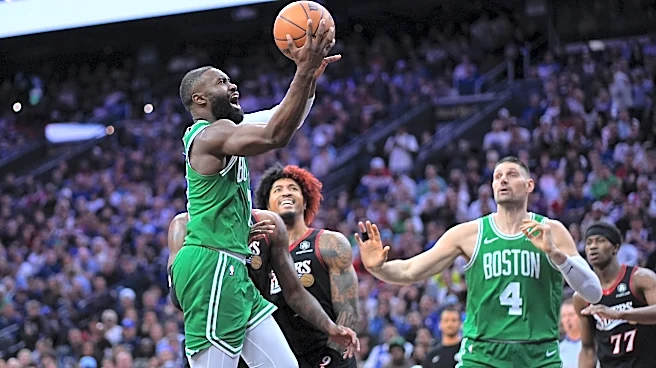
The Celtics won, 108–100, and now hold a 2–1 series lead. They closed it with experience, shot-making, and Jayson Tatum and Jaylen Brown doing what they’ve done for years now. But before that closing stretch, the game looked like it was tilting in a scary direction.
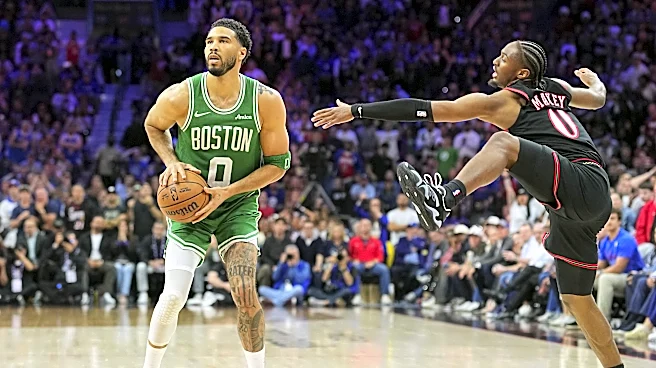
Maxey hit back-to-back threes midway through the fourth. Xfinity Mobile Arena was popping (even though the name “Xfinity Mobile Arena” feels utterly popless). For a moment, it felt like Game 2 all over again.
But after those two threes, Maxey didn’t score again.
That’s the balance Boston is trying to find. Obviously, you’re not going to prevent Maxey from doing his thing. He’s simply too good to completely neutralize. But hitting him with at least a somewhat potent tranquilizer that wobbles him long enough to win the stretches that matter? The Celtics can do that.
Which is why the Jordan Walsh minutes in Game 2 still linger in my mind.
Maxey is still dictating the terms of this series
Maxey hasn’t really run into a matchup that changes how he plays yet. The tracking data makes that pretty clear.

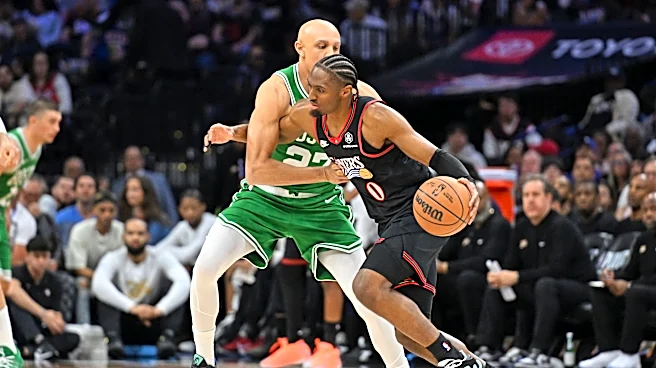
Derrick White has taken most of the assignment, close to 12 minutes and over 50 possessions. That’s Boston’s best option on paper, and White has been solid. But Maxey is still getting into his spots. Three-for-seven shooting doesn’t scream dominance, but it also doesn’t force him out of anything. The offense is still very much flowing through him without much resistance.
Hauser’s minutes tell a slightly different story. The second-most common player to draw the Maxey assignment, he’s spent about eight minutes and 40 possessions guarding Maxey. And give him some credit: Maxey is just one-for-four when guarded by Hauser. That lines up with what we’ve seen from Hauser over the last couple years. He’s not someone you can just pick on and expect easy offense, even if teams keep trying.
After that, it’s been more of a mix. Brown has had stretches where he holds up and others where Maxey gets downhill. Tatum and Pritchard haven’t been on him enough to really matter.
So you’re looking at a bunch of capable defenders, and none of them have really shifted the feel of the matchup. Maxey is still playing on his terms.
That’s what makes the Walsh minutes worth paying attention to.
The Wolf of Walsh Street
That’s where Walsh comes in, because his minutes didn’t feel like the others.
The sample is small. We’re talking under two minutes matched up with Maxey and only a handful of possessions. That’s not enough to declare anything, but within that stretch, Maxey didn’t score and only got one real shot attempt off. For a player who’s been able to get into his offense pretty much whenever he wants, that stands out, even if it’s brief.
It didn’t look like a fluke either.
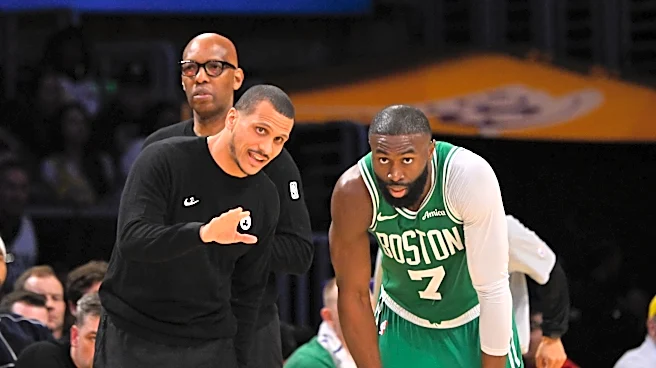
Mazzulla pointed to it after the game. “He was good. We all have a role to play,” he said when asked about the job Walsh did on Maxey, before narrowing in on the specifics. “I thought he was big in our pick-and-roll defense as well, and did a great job making it difficult for him.”
Walsh isn’t navigating screens the way White does. There are still possessions where he gets clipped and ends up trailing the play. Against most guards, that’s the possession. Maxey especially lives off that first step once he gets a shoulder advantage.
But Walsh didn’t get clipped in the same way. More often than not, he was still around, contesting, reaching into the play even after he was technically beaten. It lined up with how he’s talked about defense this season, not trying to erase a player, just pushing him away from what he wants to do and making him find something else.
There’s a clip floating around where Maxey comes off a high screen and has the exact pocket he’s been using all series. Normally that turns into a drive or a pull-up. Walsh stays attached just long enough that it never really opens. Maxey hesitates, pulls it back out, and the possession resets.
It felt different than anything else we had thrown at Maxey up until that point. And I liked it. I liked it a lot.
For your consideration
If Game 3 showed anything, it’s that Maxey is going to have his moments no matter what.
He’s too comfortable getting to his spots for that to disappear. The goal isn’t to take that away completely. You just need to keep it from stacking.
In my opinion, Walsh fits into that more than anything else Boston has tried so far.
Part of that is just how he approaches it. Before the series, he talked about trying to “take away tendencies” and push guys into something they don’t want to do, even if it means living with the result at the end of the possession.
There’s also a level of intent to it that the team has noticed. Payton Pritchard said earlier this season that Walsh “brings an energy, guarding the best [offensive player] every night,” and that it’s what’s going to keep him on the floor. That’s basically the job here. Just stay in the fight long enough to make things uncomfortable.
It helps that he’s not going into this blind either. He mentioned leaning on Jaylen Brown for things “beyond the scouting report,” the small stuff that can get under a player’s skin or throw off their rhythm. You could see hints of that in those possessions.

If this series keeps playing out the way it has, Boston is going to need more of those possessions where things don’t quite click for Maxey. Fewer of those clean, one-motion attacks where everything lines up could make all the difference in what’s proving to be a closer series than most people expected.
I’m not saying Walsh needs to be out there for 30 minutes a game going forward. But it’s something you can go to.
And right now, even a couple possessions where he hesitates instead of just playing sounds better than the alternative.