
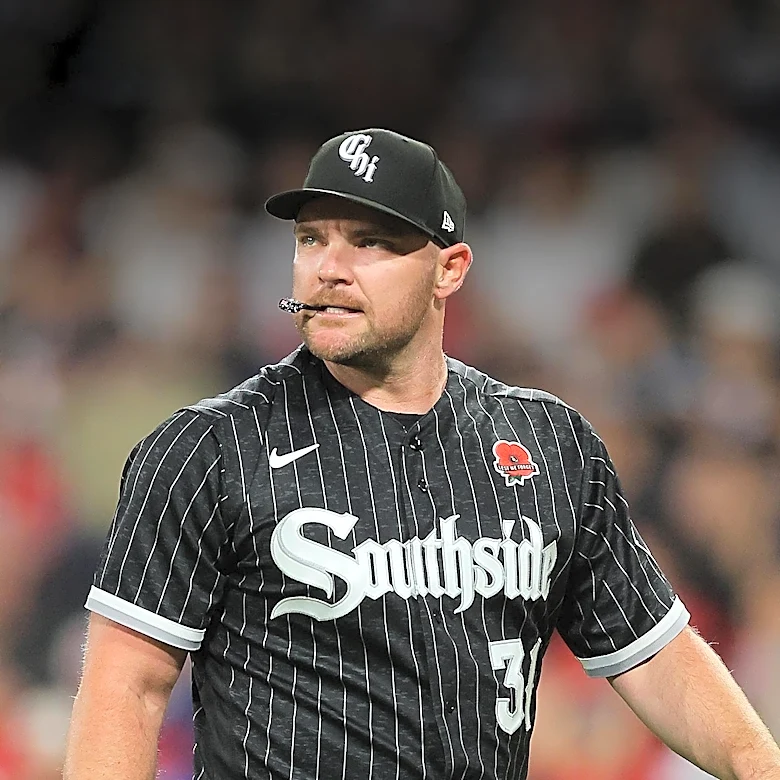

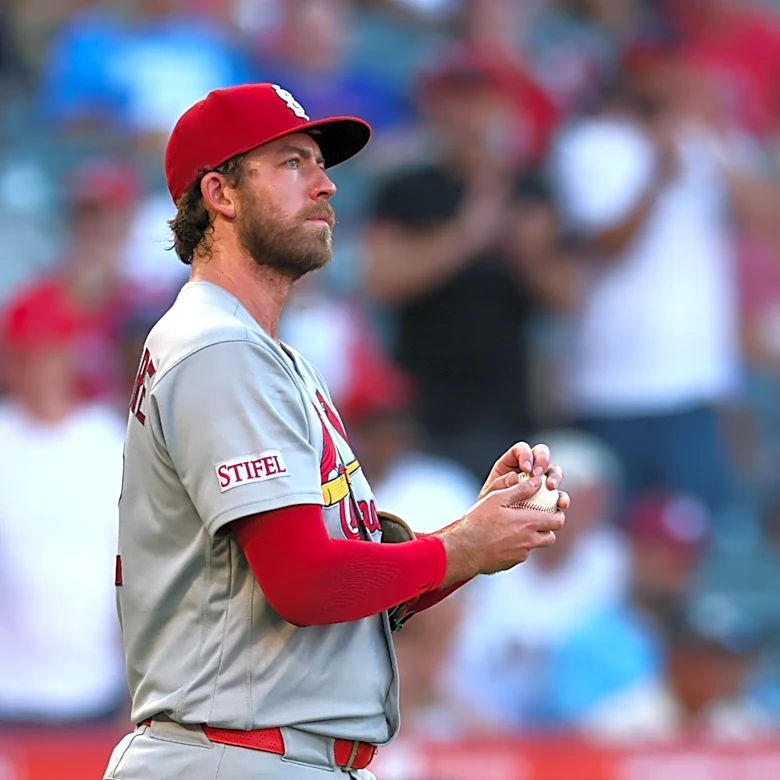
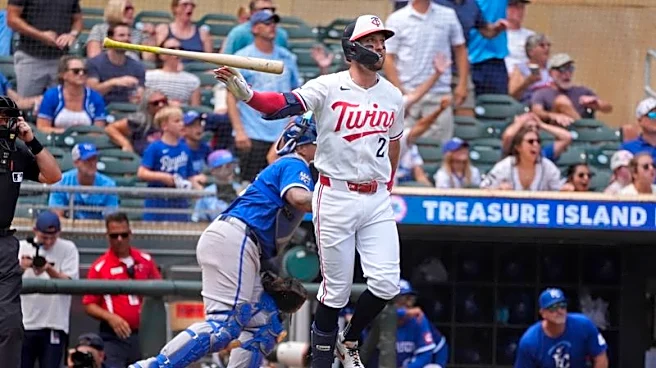
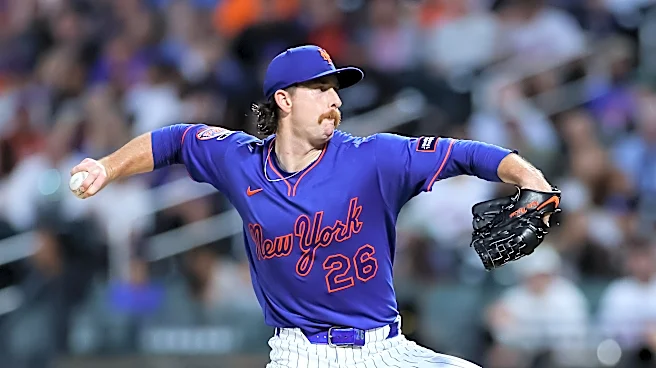
With so many needs on the 26-man roster and with so many question marks regarding the future impact of currently injured players, what sort of reasonable moves might Mike Hazen and his staff make with their limited draft capital and only $6-7 million of payroll room to work with?
Left Field/Impact Bat
This might be the easiest roster need for the team to address. There are simply too many potential targets on the market for the team to be priced out of all of them and they do not need to lean into
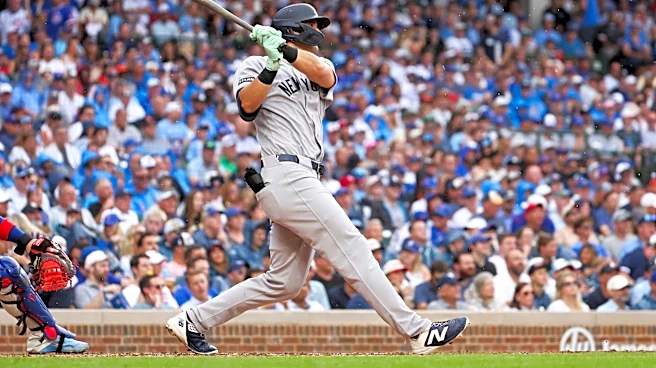
borderline all-staar levels to see an improvement. It has been widely reported for some time now that Mike Hazen’s preference for this bat to be left-handed or at least a switch-hitter who is capable from the left side. It seems likely that a number of right-handed bats are also being considered though, especially those with decent success against right-handed pitching. Somewhat amusingly, one of the top left-handed options available on the market is former Diamondbacks outfielder, Jake McCarthy. I’m not sure there is a deal to be had there, as McCarthy was given miles of runway here in the desert before finally being traded to the Rockies. However, he remains a strong option, even if he is an option that comes with some additional questions and potential complications. Some names that are reasonable targets that almost certainly make the Diamondbacks better immediately: J.J. Bleday Jake McCarthy Kody Clemens Nolan Schanuel (non-rental target) Carson Benge (non-rental target) or possibly the one of the following right-handed batters: Jo Adell Tyrone Taylor
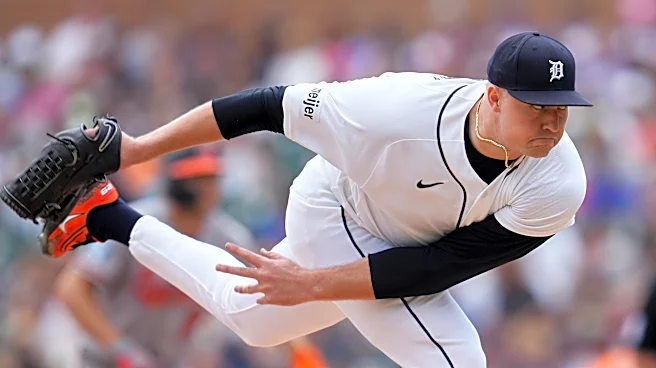
Frankly, this list could be expanded by about 40 names without putting in much effort. The Reds, Mets, and Angels are all out of contention, making them good teams to target, either for rentals or for more. The Tigers may be motivated to move some players, though they are likely looking only for Godfather deals outside of Skubal. The Twins are looking to bolster their roster but are also looking to create flexibility, so they too may be motivated to make a move if the teams can match up needs.
Starting Pitching
Unlike with outfield help, starting pitching is in short supply at every trade deadline. Arizona, currently operating with only three MLB regulars in the rotation, has very little choice but to at least explore trades to address this deficiency. OF course, the other 29 teams know just how up against it the Diamondbacks are, so the opportunity to strike a deal becomes much more expensive and difficult.
Pie in the sky targets:
Hunter Greene (the Diamondbacks have somehow won the lottery)
Reid Detmers (Mike Hazen gets fortunate with some timing and some valuations)
Reasonable but riskier targets:
Freddy Peralta
Clay Holmes
Casey Mize
These pitchers are all pure rentals. They are all affordable within Arizona’s limited trade deadline budget. They all also come with question marks. Freddy Peralta is having far and away the worst season of his career and has been trending the wrong direction while also still being a capable starter. He is also going to be in somewhat decent command as a change-of-scenery/bounce back candidate. For this writer, Peralta feels much too much like a repeat of Zac Gallen in 2025. While Arizona almost certainly land Peralta should Mike Hazen so choose, the question remains as to whether or not he will be demonstrably better than the likes of Kohl Drake or Mitch Bratt. While the answer to that is “probably”. it is far from assured and the deal would likely end up sending one of those two the other way.
Clay Holmes too is with the struggling Mets. Unlike Peralta, Holmes has been quite good as a starrter this year. The problem with Holmes, and also with Casey Mize, is that there are injury concerns. The Diamondbacks already rolled the dice once with a major injury risk in the rotation and were rewarded with the best season of Michael Soroka’s career in the last five years. Of course, now he’s injured again. While Soroka is expected to begin a rehab assignment soon, it remains to be seen if he will still be the same pitcher when he returns. Holmes is the lesser concern of Holmes and Mize, as his injury seems to be behind him. He’s a groundball machine, which plays well in Arizona and he won’t cost much of anything to acquire should Hazen attempt to land him. Casey Mize, on the other hand, has not landed himself on the IL and missed numerous starts. However, his velocity has been trending in the wrong direction inning over inning, start over start. There is something not right there. It is possible that simply getting a fortnight to rest his arm is all it will take to get him back to right again. But given the severity of the drop-off, one cannot help but wonder if there is something more sinister at work, something that may lead to Mize breaking and being unproductive down the stretch, one or two outings after being acquired. Few things are more demoralizing than making a big trade for a rental, only to see the rental then go straight to the IL for the remainder of the season.
High Leverage Relief Pitching
The Diamondbacks are not trading for a closer, at least, not one that is already established as one. Sure, Aroldis Chapman is likely available. But his salary will eat almost the entirety of Arizona’s budget. Furthermore, the prospect cost to acquire the former Cuban Missile would likely leave the already spotty farm system rather devoid of any sort of future impact talent. Also from the Red Sox is Garrett Whitlock, but he comes with all the same hurdles to completing a deal.
While Arizona may not land an established closer, that does not rule Arizona out from landing a quality relief arm, one that can help out at the back end of the bullpen, perhaps in a set-up role. Here are some realistic rental targets:
John Schreiber
Brock Burke
Brooks RaleyChase Silseth
A few options that are not pure rentals:
Luke Weaver (might just barely be obtainable, but is also likely the best high leverage reliever openly on the market)
Jose Soriano
The thing about relief pitchers is that there are so many of them. Most every team has at least one or two relief arms that could improve Arizona’s surprisingly solid 2026 bullpen. The near(ish) return if Justin Martinez should certainly help matters, assuming he can still find the strike zone again after such a long layoff from Tommy John surgery. In fact, there are so many relievers out there, that if Mike Hazen were to make a trade for a non-rental player, this is the category that seems the most likely to produce such a trade.
Concluding Thoughts
The Diamondbacks have done enough on the field, especially over this last stretch against other potential playoff teams, that they should definitely be buying. Mike Hazen is known to be adept at buying while selling. If he is able to do that again at this year’s deadline, it will be quite something to see, as the Diamondbacks have few players on the 26-man roster who are expendable via trade. However, should he be able to do so, then the amount of payroll flexibility also increases, allowing Hazen to pursue bigger targets. It seems highly doubtful that the Diamondbacks will make any major moves, instead sticking to minor tweaks that do not eat away the entirety of their payroll flexibility. With limited payroll space and massive uncertainty regarding the 2027 season, it seems probable that Mike Hazen will remain focused by and large on pure rentals. Should this season’s deadline be like some and the prices for the team’s needs start to spiral out of control, it is not beyond comprehension that Arizona may simply stand pat at the deadline and hope to improve through some players returning from injury and some of the prospects further adapting to the Majors.
Regardless if what Mike Hazen decides, we shall all know the answer by tomorrow afternoon.