





Less than one week away from the 2026 NBA draft, we still don’t know much about the Sixers’ plans.
We’re starting to get word of some prospects whom the Sixers have brought in or will bring in for a predraft workout. We can make guesses based on big boards and their biggest needs, but the draft is unpredictable. Especially down at No. 22, expect the unexpected.
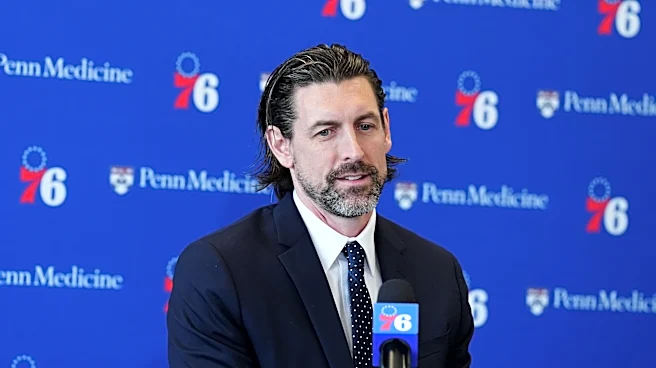
Adding to the intrigue of this year’s draft is the front office turnover, with Mike Gansey replacing Daryl Morey as the Sixers’ president of basketball
operations. Jameer Nelson replaced Elton Brand as the No. 2 in charge, too, while Harris Blitzer Sports and Entertainment president of sports Bob Myers plans to be involved in high-leverage decisions including the draft, trades and free agency. Got all that?
Gansey said during his introductory press conference that he helped run the Cleveland Cavaliers’ draft in recent years. His previous picks could hint at where he’d be leaning at No. 22, and how (if at all) that might differ from Morey and Co.’s past approach.
Morey’s history
Morey’s front office made 10 picks between 2020 and 2025. Their draft history might be the best part of his Sixers resume.
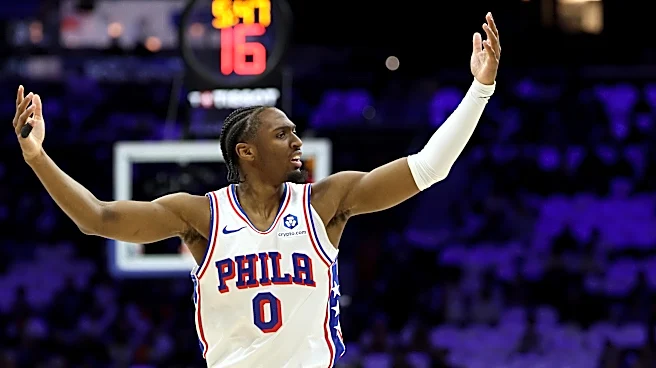
The Sixers hit two home runs with Tyrese Maxey at No. 21 in 2020 and VJ Edgecombe at No. 3 in 2025. Jared McCain (No. 16 in 2024) looks like a solid double at least—albeit for the Oklahoma City Thunder now—while Isaiah Joe (No. 49 in 2020), Paul Reed (No. 58 in 2020) and Adem Bona (No. 41 in 2024) are all clear steals based on their draft slot. The jury remains out on Johni Broome (No. 35 in 2025), and I still believe in Charles Bassey (No. 53 in 2021), damn it.
One thing jumps out about the Sixers’ draft history under Morey: They drafted freshmen with all four of their first-round picks (Maxey, Edgecombe, McCain and Jaden Springer). They always preferred upside over more established options in that range.
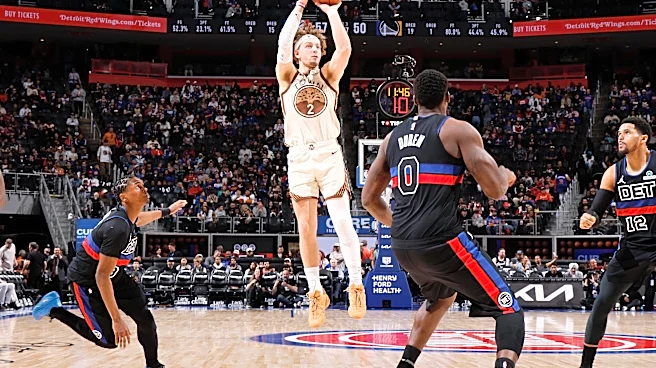
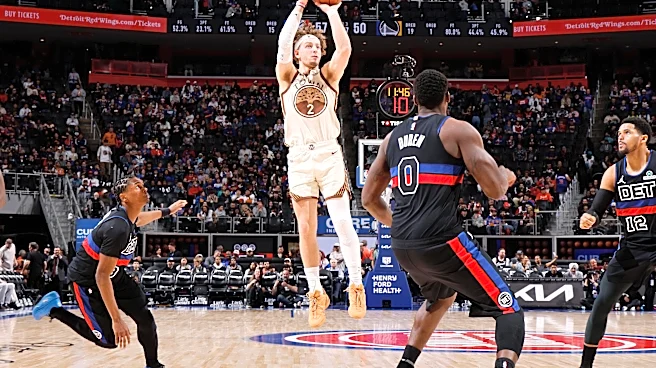
When the Sixers were on the clock at No. 16 in 2024, both McCain and Dalton Knecht were still on the board. Knecht, a fifth-year senior, was a first-team All-American at Tennessee after averaging 21.7 points per game while shooting 45.8 percent overall and 39.7 percent from deep. McCain averaged only 14.3 points per game at Duke, but he shot 41.4 percent from deep.
When the Sixers took McCain, some fans were frustrated that they didn’t take Knecht since he was seemingly more of a sure thing. This past season, Knecht averaged 4.2 points in 10.2 minutes per game with the Los Angeles Lakers. McCain was the right pick at the time, and he continues to be so.
If the Sixers continued their freshman-only ways in the first round, they could take Chris Cenac Jr., Allen Graves, Koa Peat or Hannes Steinbach. Jayden Quaintance is also younger than all four of them despite being a sophomore. At least one of those players figures to be available at No. 22, if not more.
Will Gansey follow in those same footsteps, though?
The Cavs’ history with Gansey
It’s unclear exactly when Gansey took over the Cavaliers’ draft room. But since he ascended to assistant general manager in 2017, the Cavs had draft picks all over the first round, giving Gansey plenty of experience with a bunch of different scenarios.
On the high end, the Cavs took Evan Mobley (No. 3 in 2021) and Darius Garland (No. 5 in 2019), both of whom developed into All-Stars. Granted, they also whiffed on the No. 5 overall pick in 2020 (Isaac Okoro) while Onyeka Okongwu, Deni Avdija, Devin Vassell and Tyrese Haliburton were all still on the board.
The Cavs did snag Jaylon Tyson with the No. 20 overall pick in 2024, and he turned into a quietly key contributor for them in his sophomore season. In 66 games (42 starts), Tyson averaged 13.2 points, 5.1 rebounds and 2.2 assists in only 26.9 minutes per game while shooting 49.3 percent overall and 44.6 percent from three-point range.
Tyson is more akin to the type of prospect whom the Sixers should realistically hope to land at No. 22 rather than a miracle like Maxey. Finding a future star at that spot would be incredible, but if nothing else, the Sixers need a solid single or double there. They can’t afford a total whiff.
During his introductory press conference, Gansey hinted at the types of prospects that he’d be looking to bring in.
“With the draft coming up, for example, you’re talking to plenty of coaches and people who have been around these [prospects],” he said. “You want to bring in good people. If they don’t want to be here or you don’t feel they fit our culture, then we don’t want them.
“We want people who want to be in Philadelphia. I want competitiveness. I want toughness. I want guys who hate to lose. Those are the kinds of people I’m going to target and want to bring onto this roster.”
With that said, there’s no easy way to gauge intangibles like competitiveness and toughness. That’s where the Sixers need to do their due diligence by talking to coaches and staffers who worked with those prospects.
Luckily, the Sixers already seem to have begun placing a premium on those characteristics even under Morey. Edgecombe’s ferocity on the court might have helped separate him from Kon Knueppel and Ace Bailey as the Sixers deliberated who to take at No. 3 last year.
So, as you’re poring over draft profiles and big boards for the next few days, pay close attention to the prospects’ character reports. As much as the Sixers will prioritize upside and fit, they’ll also be hunting for prospects with that dawg in them.
The impact of NIL
Even if Morey had stayed in charge, the Name, Image and Likeness era would have forced them to change their draft approach regardless.
Five years ago, an NBA-record 353 players initially filed as early-entry candidates for the 2021 draft, and 217 early-entry players remained in the draft. This year, only 71 players filed as early-entry candidates—the lowest mark since 2003, according to Jonathan Givony of DraftExpress—and only 31 stayed in the draft.
Now that players can (legally) rake in millions in college via their NIL rights, deciding whether to stay in the draft is much tougher for those who aren’t projected to be high lottery picks. The number of early-entry candidates has plummeted accordingly in recent years.
Florida forward Thomas Haugh, UConn guard Braylon Mullins and Arizona big man Motiejus Krivas were all showing up as possible mid-first-round picks in mock drafts during March Madness. All three chose to return to school for another year, which thinned out the back half of the first round.
In March, former Memphis Grizzlies vice president of basketball operations John Hollinger noted at The Athletic that “most draft model will say that you shouldn’t really draft” seniors, “especially the 23-year-old ‘super seniors’ coming off their fifth year.” He added that “those draft models are now almost certainly wrong” because of NIL.
It used to be a red flag if players returned to school for that many years. Now, the allure of NIL money might be too tempting to turn down for those who aren’t projected to go in the top 10 or 15, particularly if the following class isn’t expected to be as strong.
So, while Morey and Co. prioritized freshmen in the first round, don’t be surprised if the Gansey-led Sixers take a wider view of prospects. NIL is effectively forcing their hand.