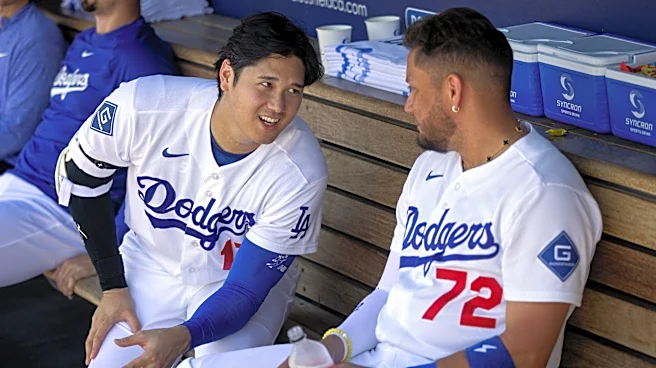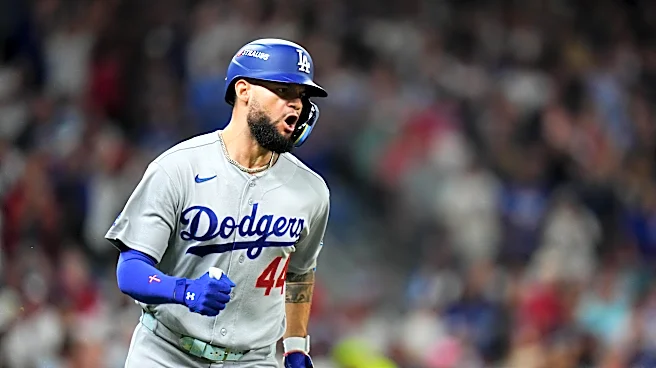



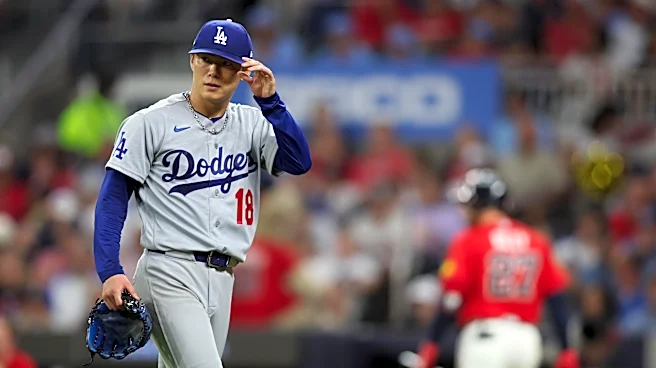
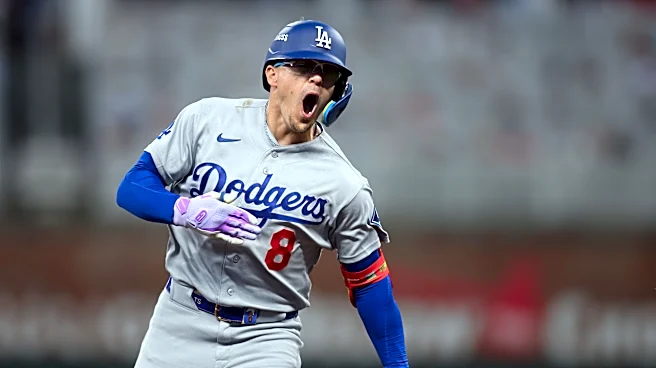
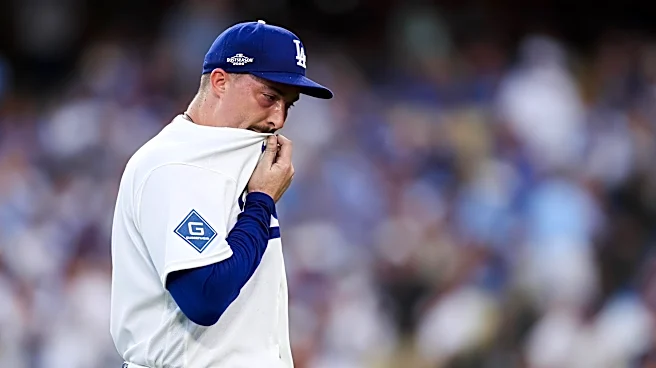
Shohei Ohtani, Ronald Acuña Jr., Mookie Betts, and Matt Olson; the list of quote-unquote star players who weren’t able to impact the NLDS in the way we’ve grown to expect from them is long. With these ultratalented hitters held quiet, the chances of a high-scoring series were slim, and in the end, the team with the better complementary group got the last laugh.
The series-clinching win in Game 4 followed the pattern of the Dodgers’ previous two victories in this series, perhaps even more aggressively
given just who had to step up to carry this team forward in Andy Pages. As it was the case throughout the series, the top of the order was nowhere to be found, with the first four hitters reaching base only once via walk, finishing the game 0 for 15.
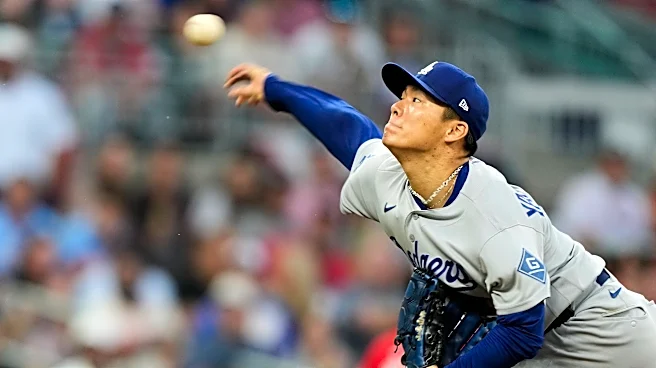
A few defensive errors on both sides made this a 1-1 game, as neither offense could muster up any action. Sure, Tyler Glasnow had command problems that let five Braves earn a free base via walk, but Michael Harris Jr.’s leadoff hit was the only base hit he allowed the whole game. Tyler Mahle was even more impressive, keeping his pitch count in check to work into the seventh inning without suffering the walk problems that plagued Glasnow.
Max Muncy and Kiké Hernández had their moments earlier in the series; it was now up to a complementary piece that grew into a more important role this season, only to see—at least prior to this game—his postseason issues resurface, keeping him down in the order.
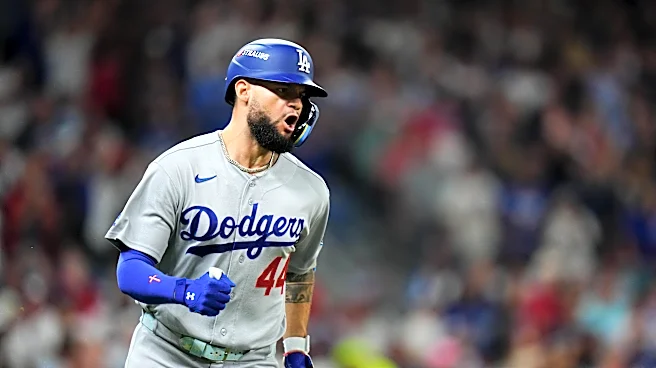
Pages, who, at the start of this game, had a batting average below .100 across the last two postseasons, faced a difficult challenge against Robert Suárez with the bases loaded and two outs in the seventh inning of a tied game. The center fielder prevailed with a go-ahead two-run single to make it 3-1. After recording just one RBI in 62 postseason at-bats, the Dodgers’ All-Star center fielder helped this team avoid a winner-take-all Game 5 by securing a series win on the road.
It is not about revisionist history to claim we all knew Pages would eventually rise to the occasion. Everything about his postseason record points to that not being the case. It is about acknowledging that in the crapshoot that the baseball postseason can be, it’s comforting; it makes sense that the team whose depth is one of its biggest strengths can count on it to outproduce the opposition, as star hitters on either side aren’t able to get the job done.
Pages’ hit will take the headlines, but he only had that opportunity due to the positive impact of another young outfielder. Whether it’d be to try to take advantage of a potential eagerness to prove himself or because he lacked the ideal command—still tired from that Game 2 outing—Didier Fuentes fed Josue De Paula only one strike in a five-pitch at-bat with two outs and a runner in scoring position. De Paula flashed his terrific eye, worked a walk, and passed the baton to Tucker, who would also be walked, bringing in the bases loaded and the favorable matchup for the Braves of Suárez versus Pages.
De Paula was up in that situation against a tough righty, pinch-hitting for one of this team’s postseason heroes, Kiké Hernández, because for a while now, Roberts is pushing all of the right buttons—the Dodgers manager seems to be honing in on an uncanny ability to know when to go with the numbers but also when to trust his instinct. It helps, though, when you have a hitter as talented as De Paula who’s able to come off the bench for just one at-bat. A move you can make because Tommy Edman’s flexibility off the bench as the defensive replacement allows you to prioritize offense late in games.
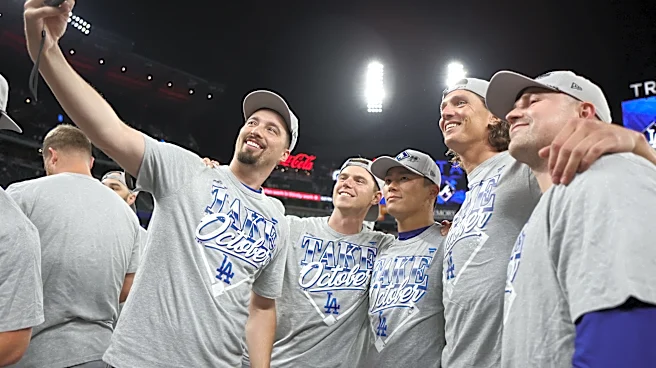
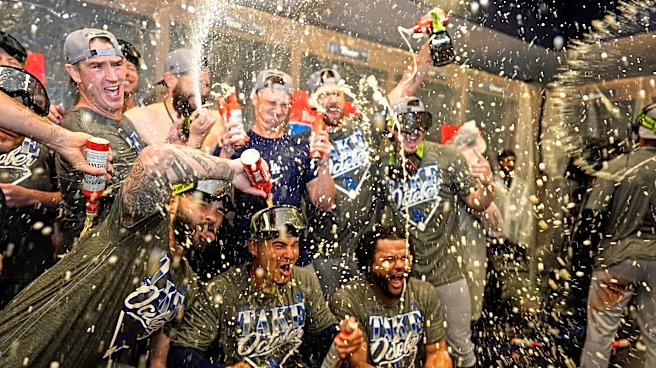
The Braves held the Dodgers stars quiet, and the same was true on the opposite end. And with it, the Dodgers group, with the likes of Hernández, De Paula, Muncy, and Pages, had more to give, helping the reigning champs take the series in four.