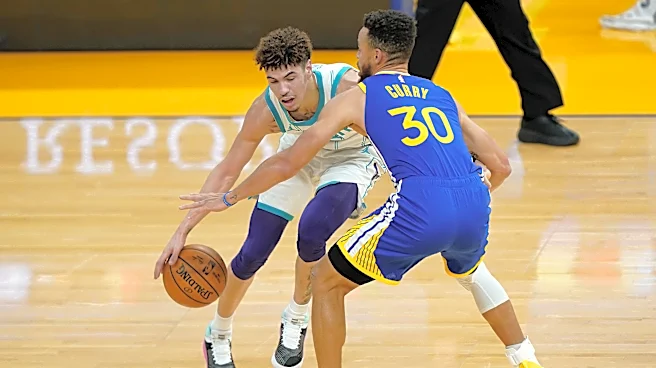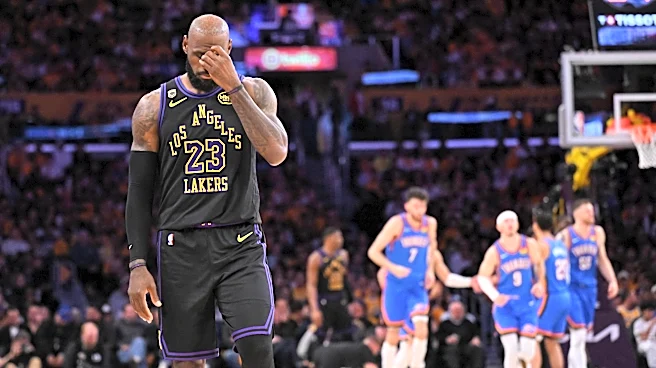




The Western Conference is running a youth experiment, and the results are getting harder to ignore. Victor Wembanyama is already rewriting the defensive record books. Anthony Edwards is appointment television. Cooper Flagg just landed in Dallas. Chet Holmgren, Jalen Williams, Amen Thompson, and Alperen Şengün are all guys proving the best teams in the West are increasingly being built around players who weren’t legally allowed to drink four years ago.
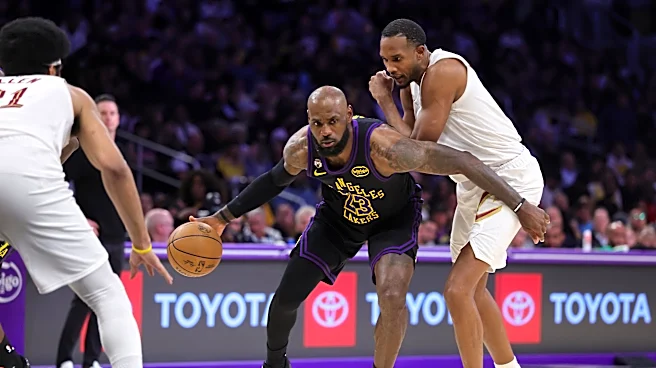
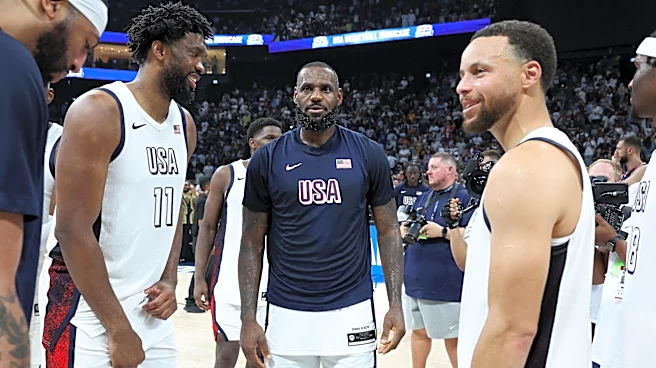
And as rumors swirl Golden State is about to sign
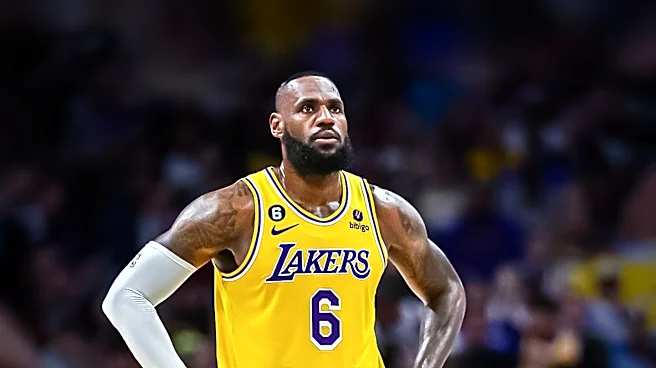
LeBron James, a man in his 40s, the Warriors just used the 11th pick on 23-year-old Yaxel Lendeborg, re-signed 30-year-old center Kristaps Porzingis, and brought back 40-year-old Al Horford.
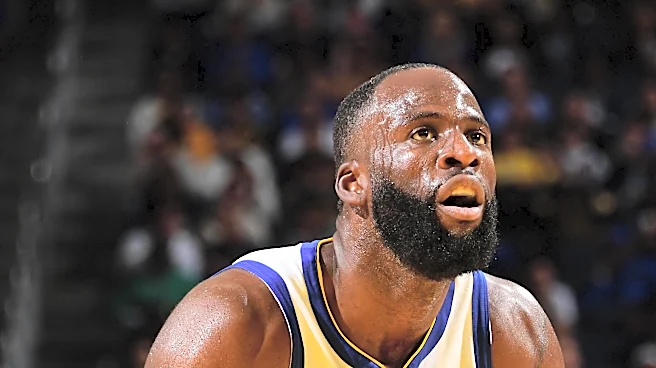
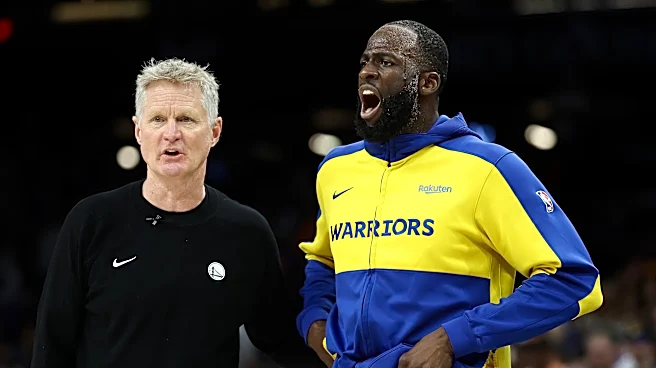
Franchise stalwart Draymond Green went on record calling Lendeborg a great pick, and his reasoning was more interesting than the endorsement itself. He argued that a veteran-heavy roster needs players who can contribute immediately, and that Lendeborg’s age is exactly what makes him fit.
Young franchises get to be patient. Just like how the Spurs took their time with Wembanyama and the Thunder built their depth over years of painful losing. They could absorb growing pains because their timeline had room for them. The Warriors’ timeline doesn’t have that luxury, and they’ve structured their entire front office philosophy around that reality. Winning has a hidden cost, and Golden State paid it without reading the fine print. Every year they spent chasing championships was another year they couldn’t prioritize long-term development the way rebuilding franchises could. They were winning and the bill just took a while to arrive.
And when we talk about the Warriors’ current draft philosophy I feel we should name the moment it changed. James Wiseman had every physical trait that modern front offices chase in terms of length, athleticism, upside that scouts described in superlatives. The Warriors bet on potential and watched three years dissolve into a trade. Wiseman wasn’t just a miss. He was the last time (unless you count Jonathan Kuminga) Golden State tried to draft for the next decade instead of the next postseason. Since then their approach has moved steadily toward floor over ceiling, toward the known quantity over the projection. Whether that’s wisdom or overcorrection is still genuinely unclear, but the philosophical pivot is undeniable.
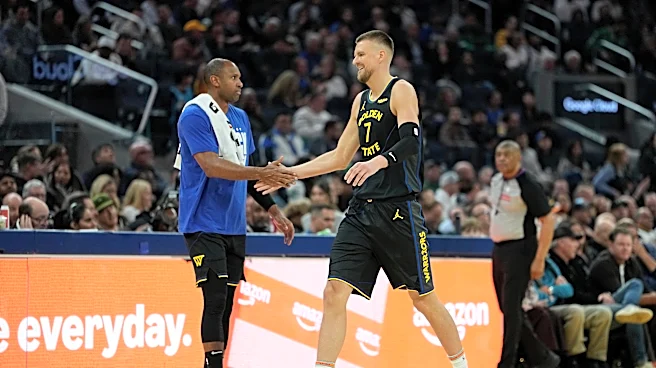
Then came Porzingis. An established veteran whose immediate value lies in what he can do next April, not what he might become three Aprils from now. And don’t forget about Al Horford re-signing for two more years to become just the 13th player in NBA history to reach a 20th season. The Warriors aren’t keeping him around out of sentimentality. Stack those two next to Jimmy Butler now Lendeborg, and run it through the same filter: does this increase Steph Curry’s chances before the window closes?
Two years from now, we’ll know whether Golden State spotted an inefficiency everyone else ignored or simply spent its last draft capital chasing Steph Curry’s final championship window. Either way, this much is already clear: while the rest of the Western Conference is raising young draft pieces into bonafide stars, the Warriors have decided to focus on experience.