
The Packers built a passing game without a WR1 — and the Dolphins might do the same.
The Dolphins are heading into 2026 with one of the youngest receiver rooms in the league, with three rookies and a second‑year player expected to play real snaps – all catching passes from an unproven, first‑time starting quarterback. That might sound terrifying in the short term, but we actually have a modern template for how this can work: The Packers from 2022–2023, who rebuilt their pass‑catcher group while transitioning
to Jordan Love.
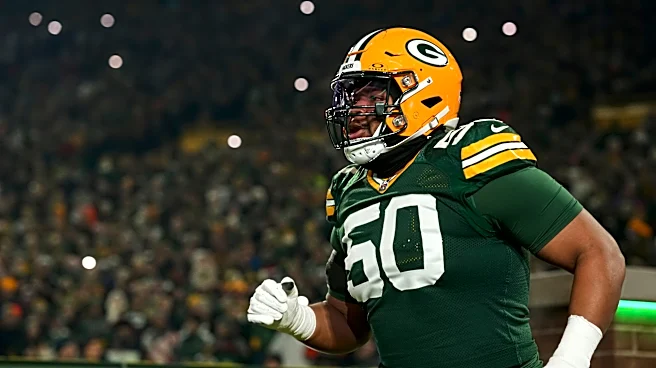
The parallels are striking: A young quarterback stepping into a bigger role, a receiver room built almost entirely from scratch and a front office willing to bet on development. Jon‑Eric Sullivan helped architect Green Bay’s youth movement, drafting Christian Watson, Romeo Doubs, Jayden Reed, and Dontayvion Wicks in a two-year span, and now he’s trying to build the same long‑term payoff in Green Bay South.
So How Did It Pan Out in Green Bay?
Even early in the youth movement, Green Bay’s passing game was solid – which is perhaps to be expected when you have a first‑ballot Hall of Famer behind center. In 2022, Aaron Rodgers’ final season with the Packers, the team finished with 3,890 passing yards and 26 passing touchdowns. Fifteen different players caught passes, and eight of them topped 200 receiving yards. Among the rookies, Christian Watson finished second on the team with 611 yards and 7 touchdowns, while Romeo Doubs added 425 yards and 3 scores.
In 2023, with Jordan Love taking over, the passing numbers improved. Love threw for 4,159 yards and 32 touchdowns, and once again the ball was spread widely: sixteen players caught passes, and nine of them reached 200+ receiving yards. Reed, Doubs, Wicks, and Watson combined for roughly 2,500 yards and 25 touchdowns, but none eclipsed 800 yards – a sign that the Packers built the room around depth. (Incidentally, the trend continued beyond these transitional years. Reed and Doubs led the team in 2024 and 2025 with 857 yards and 724 yards, respectively, and six touchdowns apiece.)
What Might This Mean for Miami?
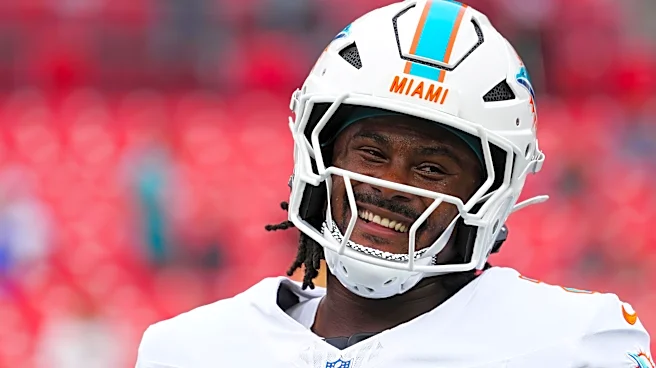
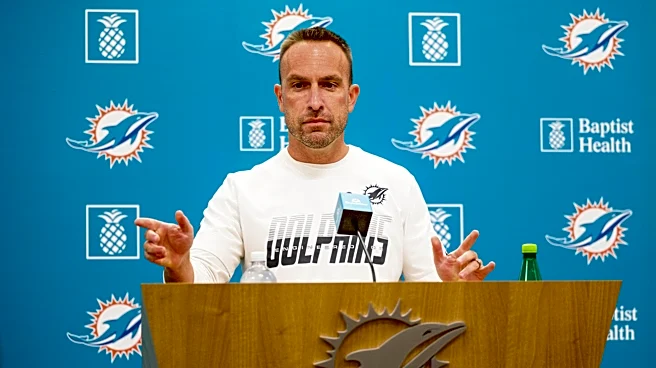
This isn’t apples to apples – Miami’s offense will look different. For one, the attack will likely run through De’Von Achane, who Jeff Hafley joked would get the ball 40–45 times per game. And Malik Willis brings a running element that Jordan Love didn’t, which will change how defenses play Miami.
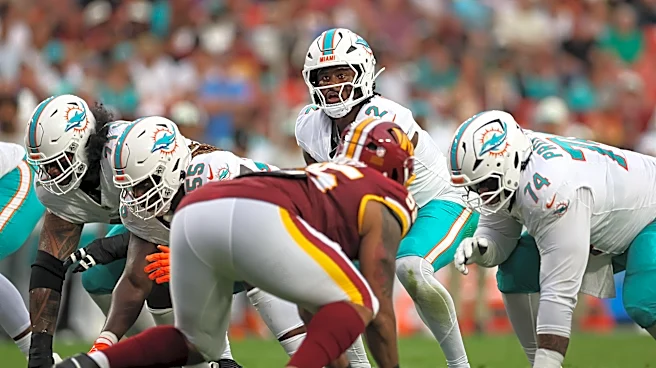
But when Willis does throw, the distribution may look a lot like Green Bay’s. The Dolphins have six receivers on their 53‑man roster, plus Achane, pass‑catching tight end Greg Dulcich, and several other skill players who can handle targets. The Packers’ young receivers made an impact right away – Reed led the team in yards as a rookie – but at no point did they produce a traditional WR1 with 1,000 yards and double‑digit touchdowns. Miami’s passing game may follow the same pattern, with broad distribution, steady growth and no single player dominating the stat sheet.
Keep Expectations in Check
As much as we all might love a breakout 1,200‑yard receiver in Miami this season to replace the Cheetah and the Penguin, that might be setting us up for disappointment. But if you can live with a deep and versatile group that gets better as the year goes on – the Packers showed that’s absolutely possible. And with Jon‑Eric Sullivan now running Miami’s roster, it’s no coincidence the Dolphins are trying to build something similar.