




The Automated Ball Strike (ABS) Challenge System was newly implemented in the majors this season and changed the game for the better.
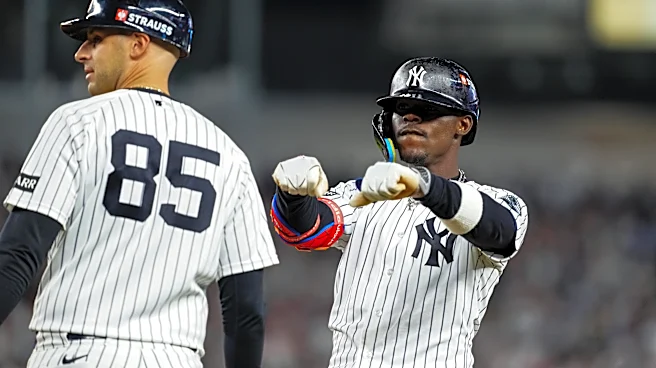
José Caballero made MLB history on Opening Night, tapping his helmet after a questionable strike call to trigger the very first ABS challenge during the Yankees’ season opener against the Giants. Although the challenge was unsuccessful—as was a bit of a trend with Caballero in particular—the ball landed in the top right corner of the zone to uphold the call, it catalyzed
a pivotal improvement to the game for the better. Cementing the historic moment in baseball history, Caballero’s helmet is set to be displayed at the Baseball Hall of Fame in Cooperstown.
Tested for much of the decade at various levels of the minor leagues, the system tracks the specific location of each pitch, relative to the batter’s zone, which is calibrated to his height and measured to the fraction of an inch. Not meant to replace human umpires entirely, it’s meant to primarily correct human error in obvious misses. However, in cases where the call is challenged and upheld, it puts teams in difficult situations as they lose a challenge opportunity for the remainder of the game.
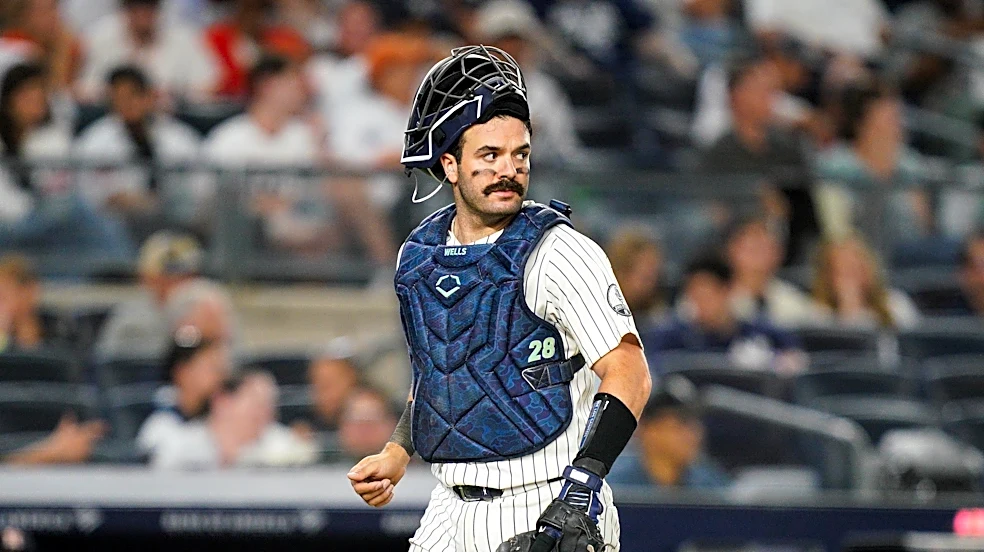
The Yankees consistently used their allotted two challenges per game to their advantage and ended the regular season with a 54.7-percent total success rate, with Austin Wells proving to be especially adept at it behind the plate. Experimenting with the system early in the season, the Yankees were more aggressive with challenges and quickly accumulated a high success rate, overturning 10 of 11 calls in their first four games of the season. They were more successful on pitcher/catcher challenges, and Wells finished the regular season with the fourth-highest win percentage from the field.
The days of adhering to calls from pitcher-friendly and hitter-friendly umpires, and even from some with personal animosities, will soon be behind us as we expect more modifications to the system. The Pinstripe Alley community shared their thoughts on the topic, and it appears that the majority have more positive feedback on the challenge system and engaged in discussions on how it can improve going forward.
Some envision the league allowing three challenges per game, giving teams more opportunities to overturn questionable calls, and others support having at least one challenge available per inning. It will be very interesting to see the evolution of this challenge system within the majors, and it’s already made a lasting impact on the league.