


Well, that was underwhelming.
The 2026 Trade Deadline has come and gone, with the Yankees doing relatively little compared to what appeared to be a laundry list of needs. If you were told in May that this is what they would do at the deadline, you would’ve had so many questions about why the team got a corner outfielder and a first baseman while ignoring the bullpen and catcher’s room. Pinstripe Alley has provided a lot of coverage regarding both moves, so go check those out.
Nonetheless, it’s passed
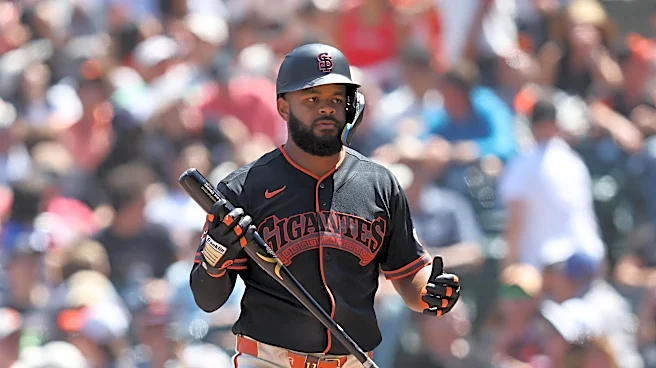
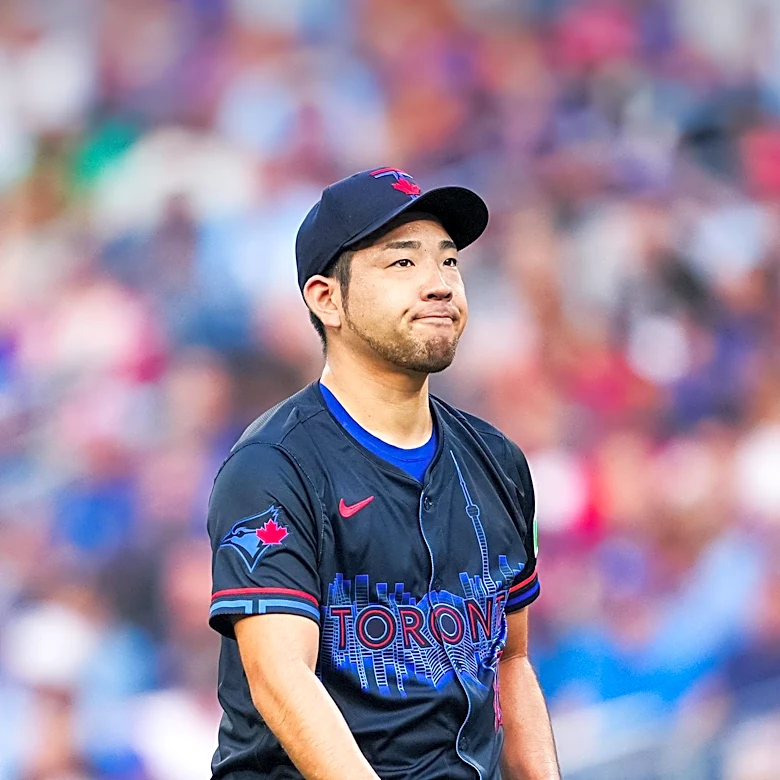
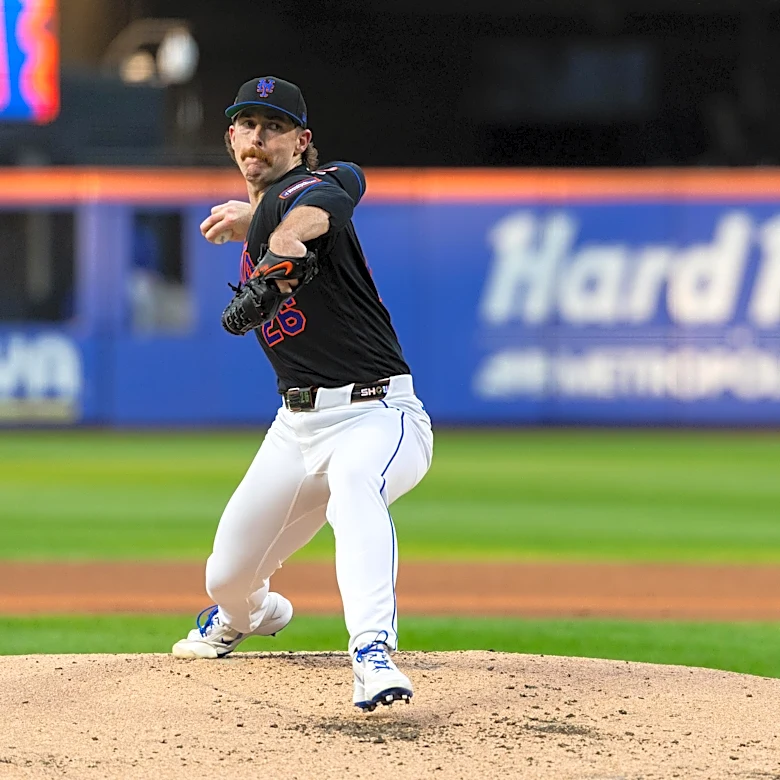
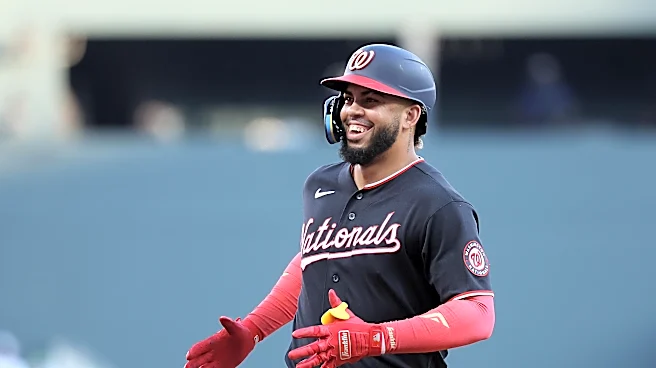
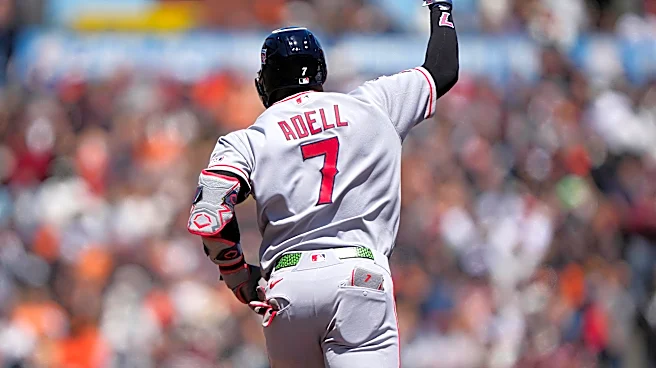
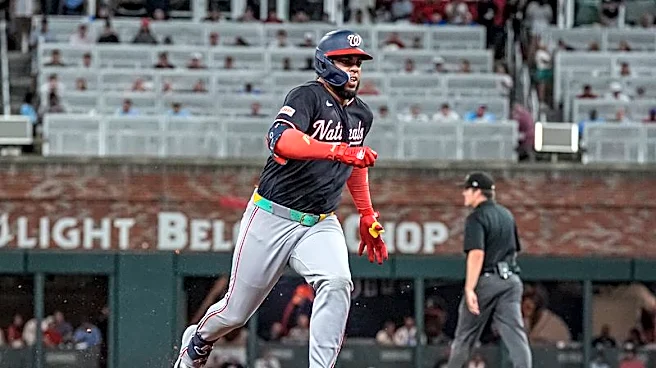
now, so all we can do is evaluate what happened. The Yankees acquired the likes of Luis García Jr. and Heliot Ramos from the Washington Nationals and San Francisco Giants, respectively. They also dealt away three relief pitchers who have spent time in the majors this season: Camilo Doval, Jake Bird, and Yovanny Cruz. It’s a much lighter transaction list than we thought, but let’s see how this affects not only the current roster, but beyond.
Let’s start with the payroll. The Yankees very much prioritize control at the Trade Deadline, as evidenced by moves in recent years to acquire guys like David Bednar, Joey Gallo, Jazz Chisholm Jr., Frankie Montas, and more, all players that were more than rentals. García is under control through 2027, and Ramos is just now entering arbitration and is under control through 2029. The impending lockout and CBA negotiations could complicate things, but assume they have those complete years of control. The Yankees will pay García about $2.1 million for the remainder of the season and Ramos $243,000.
Going forward, García’s breakout campaign will likely command a raise that will take his salary above $10 million in 2027, while Ramos will likely clock in around $3 million in his first year of arbitration. But that isn’t $13 million they’re directly acquiring, as they also got Doval and Bird’s arbitration figures off the books that would likely total a sum nearly as much.
The roster fit is clunky for both if you ignore injuries, but both will have a big role to play while the big boppers continue to recover (and Jasson Domínguez demoted as part of last night’s George Lombard Jr.-for-Anthony Volpe roster shuffle). When it comes to beyond 2026, the roster fit is cleaner for both. Ramos will likely be reduced to a platoon role down the stretch, but his control may make him an everyday starter in 2027 as Trent Grisham insurance, with Cody Bellinger moving into center field. With Ramos’ defensive limitations, could they consider moving Judge to left field in the offseason, or would they swallow the downside?
For García, he likely won’t have to contend with 38-year-old veteran Paul Goldschmidt for playing time as he rides off into the sunset. I’d expect him to go back and forth with Ben Rice at first base and DH, while also being insurance for a big elephant in the room: Giancarlo Stanton. The Yankees insist that the hulking slugger is nearing some semblance of a return, and he took BP against a rehabbing Carlos Rodón yesterday, but there’s still no knowing exactly when he’ll be back and how much he’ll be able to give.
Getting Stanton insurance is never a bad idea. After all, there’s no guarantee he’s going to be productive when he comes back. But will he even come back? I think he will at some point, which might create a logjam, but too much depth is a good thing, especially come playoff time.

Returning to what this means for the future, Stanton will be entering the final guaranteed season of his 13-year contract next year, and with the Marlins picking up the bill on $10 million of his $25 million salary, he’s reached the point where it’s within the realm of possibility that the Yankees decide to do with him what they have done with unproductive veterans at the end of bad contracts in DJ LeMahieu and Aaron Hicks. Is it possible that the Yankees cut ties with Stanton after this season? I certainly don’t think it can be ruled out, even with his decline more of the physical nature than horrible on-field performance.
Let’s briefly touch on the prospects that the Yankees gave up. I’ll gloss over the failed Jake Bird experiment, but I do want to mention he seemed to learn he was traded while he was on the mound for Scranton earlier today. Ouch. The lone starting pitcher dealt to Washington, Jack Cebert, was selected in the 15th round a year ago and has impressed in his debut season, making it to Double-A and seeming to settle in during a great July before going down with injury a week ago. We’ll see what the new-look Nats player development team can do with him.
The two guys I’m most bummed to lose are players who could be contributing at the MLB level out of the bullpen. We’ve all heard of Yovanny Cruz, who stings to lose with his triple-digit velocity and elite stuff, but being able to use him as a major piece in a deadline deal after signing him as a little-known minor league free agent in November is great work from the front office.
The other guy is Ben Grable, who I think has the potential to be an absolute stud. A former 11th-round pick out of Indiana, he’s exploded up the ranks and become a high-leverage reliever in Double-A Somerset, earning a spot at the 2026 Futures Game in Philadelphia. He has a freakish fastball that sits mid-90s and has outlandish induced vertical break. A 97 mph fastball with 17-ish inches of IVB is considered elite, but what about 96 at 22 inches? If any player here can become a star, it’s this man.
Now the guys sent to San Francisco. Henry Lalane has a lot of arm talent and was once one of the most exciting arms in the system down in the DSL, but saw his stock collapse after multiple injury-riddled seasons. He had rebuilt it considerably in 2026 to the point where I wondered aloud if he was the best starting pitcher in the farm system, but the injury risk is still there, and he’s been so-so in a recent bump to High-A.
The lone position player dealt was infielder Kaeden Kent, a former third-round pick who will be heading to his Hall of Fame father’s organization in a pretty wholesome move. He’s a great contact bat who has hovered around .300 all season until getting injured in July, but has questions on whether he can stick at shortstop or hit for enough power.
With all these guys gone, priorities shift. With Jackson Lovich earning a recent promotion and opening some room in the Single-A infield, do we see any of the 2026 draft picks debut in the coming weeks? What about a promotion for Tyler Boudreau to replace Lalane in Hudson Valley? With the bullpen depth torn apart, guys like Eric Reyzelman and Bradley Hanner suddenly become more important for the stretch run, along with the ultimate wild card returning from injury in Carlos Lagrange, though it seems unlikely he’ll seem a major league mound this year.
The M.O. of this deadline was to not only patch holes in the short term but also give get insurance in the long term with upside. For a hitting core that needs some youth, they’ve added two 26-year-olds. The consensus is that the Yanks didn’t do enough, but time will tell if what they did do gives them enough to make a run at the World Series.