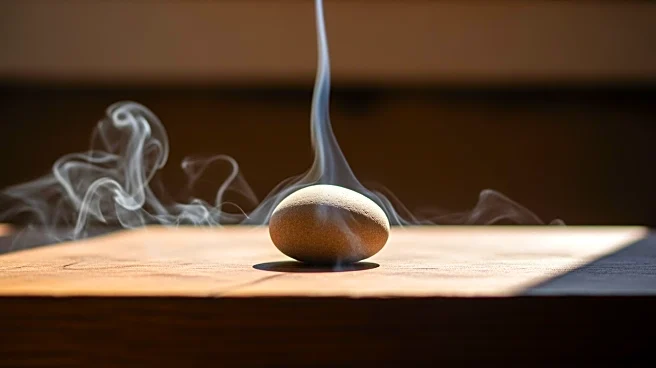


Avocados are a neat little fruit. They’re creamy, high in important nutrients like fiber and potassium, and their mild yet delightful flavor is a great addition to all sorts of dishes.
Unfortunately, avocados also have an extremely limited shelf life. If you’ve bought an avocado, you know that once you cut it you have an extremely limited amount of time before it goes brown. Sometimes, avocados go brown before you can even cut them. And if you’re thinking about saving a beautiful avocado for later,
just forget it. If you need one later, you’ll need a new one.
You’ve read the headline, so you know where I’m going with this: relief pitchers are avocados. Good ones make great additions to teams of all kinds. They are versatile, and can be used as a supporting flavor or a featured ingredient. Relievers also sour quickly; they have short moments in the sun at their peak, but they almost never last as long as you think (or hope) they will.
Teams need relievers, of course, but their volatility means that you can’t really keep them for the long haul like you can with starting pitchers or position players. The name of the game is to acquire relievers when you need them and to trade your relievers when they have maximum value.
That’s because, even for the greats, the wheels can fall off pick. Just look at the storied “HDH” Kansas City Royals bullpen. None of the three had anything resembling a calm, steady decline. Greg Holland was the best relief pitcher in the American League over a four-year period through his age-28 season; he then got hurt and was never the same. Wade Davis posted an ERA of 1.18 over a three-year stretch; two years later, it had ballooned to 4.13–the lowest mark of the rest of his career. From 2012 through 2018, Kelvin Herrera was one of the most consistent setup men in baseball. He was out of baseball two years later at age-30.
Stories like that are the norm. So it is frustrating to have watched the Royals time and time again fail to trade their prized relief arms in the midst of lost seasons. Joakim Soria, Scott Barlow, Josh Staumont–all should have been traded. Kansas City held onto all of them for too long. They thought they could outsmart the avocado, but the avocado turns brown regardless.
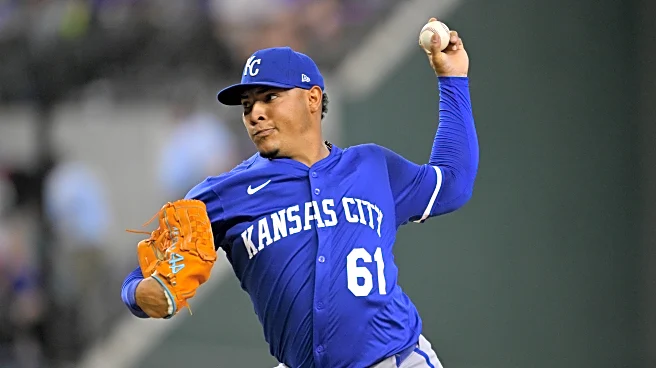
All offseason, the indications were that the Royals would trade pitching for a bat. We all assumed that would be starting pitching. But the Royals surprised us all by trading reliever Angel Zerpa to the Milwaukee Brewers for outfielder Isaac Collins and pitcher Nick Mears. Now, could the Royals trade another pitcher for a higher-profile outfielder? Perhaps.
I’m not going to go into the details on this one too much. Collins had a very nice 2025 season, but he turns 29 next July and doesn’t have the physical tools you’d want for a corner outfielder. Mears is 29 right now and Kansas City will be his fourth team in seven big league seasons. It’s a relatively strong return for Zerpa on his own considering his decent-but-not-crazy performance, but Milwaukee is banking that Zerpa–who is only 26 and under team control for three more years–will provide value.
That may be true. But the key thing to remember is that, like all relievers, Zerpa is an avocado. He could ripen at any moment, no matter his youth, performance, or durability. There’s a pretty good chance that Zerpa has already played his best baseball. Sure, the Brewers could turn Zerpa into a better pitcher. However, Zerpa’s salary will only go up from here now that he’s in his arbitration years. Milwaukee is assuming more risk in this deal than the Royals are.
You can’t trade every reliever once they get good, just like you can’t give your avocados away when you still need to make guacamole. But you can be smart about not over-valuing the avocados in your pantry. And for the Royals to maximize the value of their, like, fourth-best reliever and use it to improve the team elsewhere is something that smart teams do all the time.
I hope Zerpa does well in Milwaukee. If he doesn’t, though, it won’t surprise me. He wouldn’t be the first reliever to suddenly stop pitching well. And if that happens, he won’t be the last.