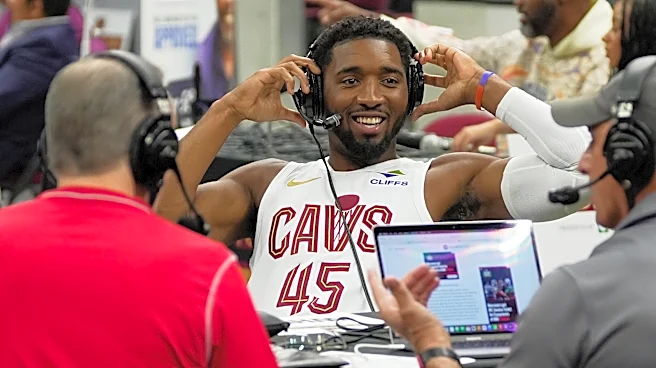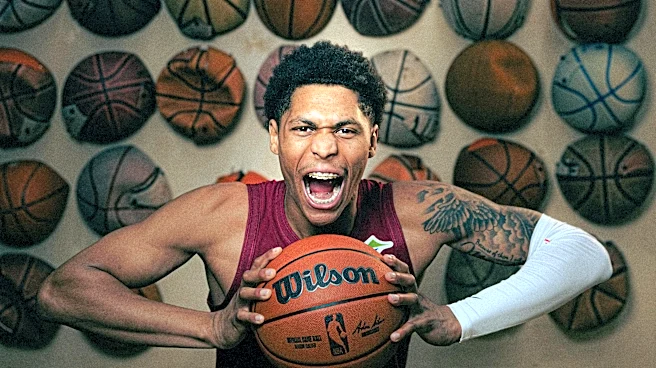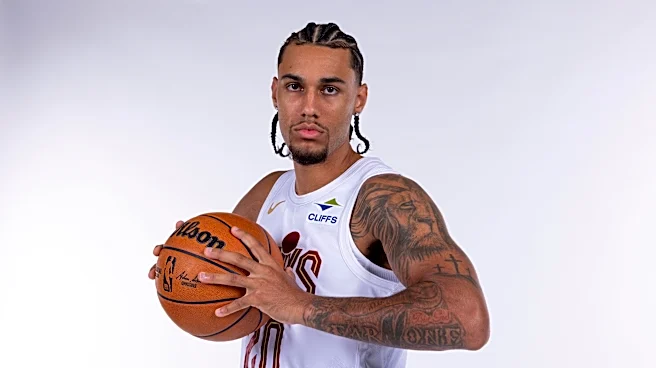


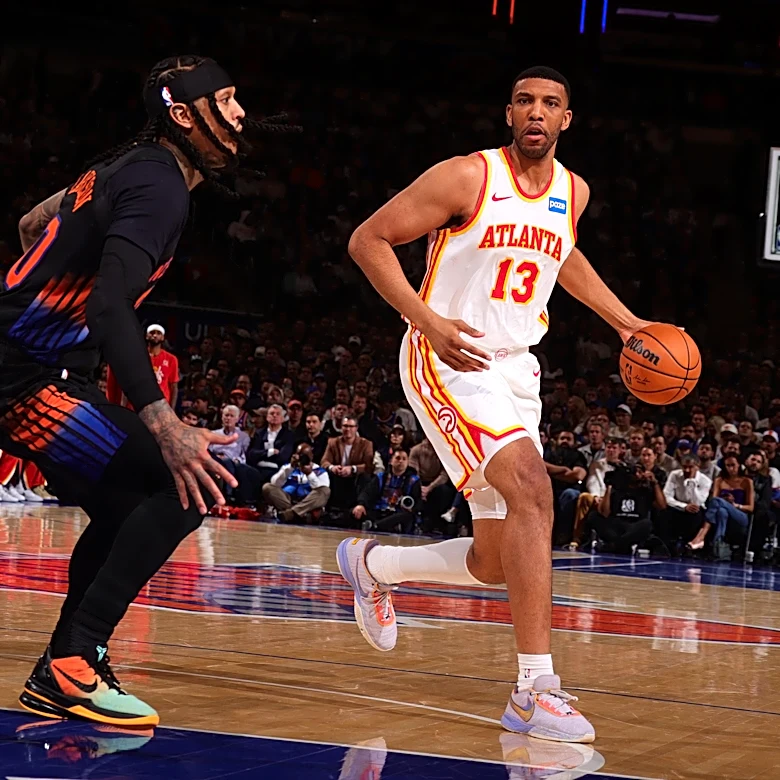
Jaylon Tyson was one of the only things going right for the Cleveland Cavaliers at the start of last season.
Everything that could go wrong for Cleveland was trending that way. Darius Garland lost a toe. De’Andre Hunter lost his mind. And Lonzo Ball lost… everything.
The perfect 15-0 record that Cleveland had to begin the previous season had turned into a 15-11 start that made everything feel like it was on the brink of disaster.
Tyson was their lifeline.
His sophomore breakout kept them afloat and provided
a beacon of hope. He was a nightly energizer who paired hustle with elite three-point shooting. Without his timely performances, last season might have been DOA.
But as the year went on, Tyson’s impact faded.
Inexperience and mental errors led to him falling out of the rotation. The goodwill Tyson built at the start of the season wasn’t enough to keep him on the court during their run to the Eastern Conference Finals. He looked out of place.
Entering year three, Tyson will need to carry forward the early success from last season while identifying what went wrong near the end. Let’s break down how that can happen.
Last Year’s Leap
Tyson nailed the most important checkpoint in his development last season.
He went from being a questionable shooter — to one of the best role players in the league. Tyson improved his rookie numbers by 11%, finishing in the league’s 98th percentile for three-point shooting.
Adding a legit outside shot to his game made all the difference for Tyson.
He was able to slot comfortably into any lineup and provide the type of floor-spacing that flourishes in today’s NBA. Tyson not only buried 45% of his attempts from the corner, but matched that efficiency from above the break, as well. This made him the all-around off-ball threat he needs to be.
Other strengths from Tyson’s sophomore season included his ability to pass and create out of short-roll. This made his pairing with Donovan Mitchell and James Harden seamless, and gave Tyson an outlet to still be a creator even if he isn’t initiating the play himself.
Finally, Tyson proved he can impact winning on the margins. He molded himself into being a scrappy, physical defender who could disrupt opponents whenever he wasn’t veering too hard into foul trouble (more on that later). His hustle puts him over the top when everything is going as planned.
The foundations of a true 3-and-D wing were laid during Tyson’s sophomore season. Getting there requires sustaining this growth and polishing the rest of his game.
Where to Improve
The Cavs are counting on Tyson to maintain his presence as a shooter. This was the skeleton key that unlocked everything else for him.
But even if he shoots the same percentage next season, Tyson still has room to increase his volume.
Tyson was in the 38th percentile for three-point frequency last season. That’s too low for a player who was drilling 45% of his attempts. The good news is, Tyson can afford to sacrifice some of that efficiency in favor of more volume. He shot so well last season that even a modest regression would keep him above league average.
Expanding his game should be the goal. Tyson can be quicker to pull the trigger and more adept at creating for himself. A pull-up jumper or downhill drive would go a long way to making him a three-level scoring threat.
As for defense, Tyson needs to stay focused.
He led the Cavs in fouls last season and constantly put himself into trouble by overreacting or being too physical away from the ball. There’s value in pushing the line on physicality. But knowing when to reel it in is a skill that hopefully comes with experience.
Tyson has the tools to be a good defender. He’s a strong, passable athlete who isn’t afraid of anyone. He just needs to understand that less is sometimes more. Being in the right spot at the right time is more valuable than sprinting to recover a blown rotation.
Conclusion
Tyson has a strong future even if he maxes out as the player he was last season.
He’s a quality floor spacer who can occasionally handle the ball and will play hard as hell on defense. He might frustrate you with a bad foul or a blown rotation — but at least you know his heart is in it.
Still, a stagnation in Tyson’s development would feel frustrating. He’s so close to being one of the league’s premier role players.
A small bump in any aspect of his development would get him there. Whether it’s a more refined approach to defense or slightly expanding his offensive game, Tyson is knocking on the door of being the type of player every NBA team needs.