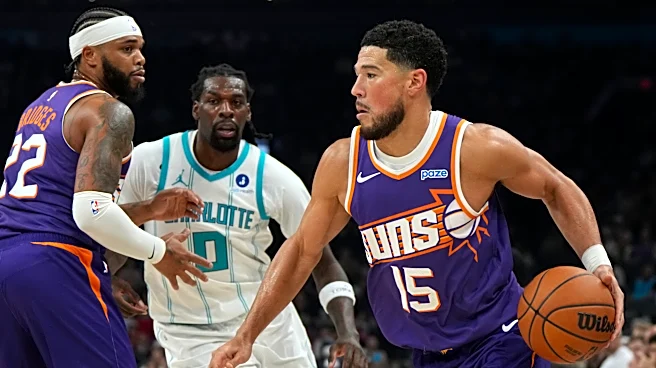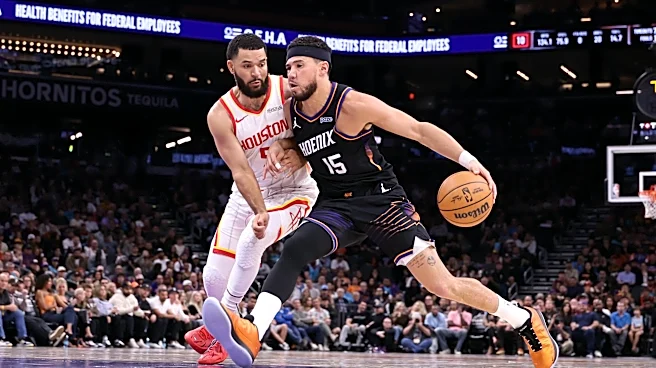



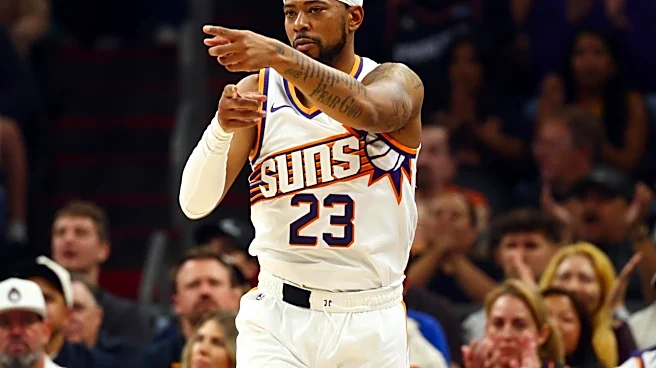
When you look at the Phoenix Suns and see a 5-6 record staring back at you, there are plenty of explanations for why they’ve stumbled out of the gate. One of the most obvious is the schedule. According to ESPN’s strength-of-schedule metrics, Phoenix has faced the third-toughest slate in the NBA through the first 11 games of the season. We can also point to the ongoing challenges surrounding Jalen Green and his inability to consistently find his place on this roster. We can discuss how Miles Bridges
has yet to hit his stride as he continues adjusting to a new team, a new system, and new responsibilities.
But there’s one glaring deficiency that threatens to haunt the Suns throughout the entire season unless they fundamentally change their approach or somehow miraculously become a larger basketball team overnight. Their inability to impact the game at the rim. And the numbers are downright horrific.
Last season, Phoenix finished 29th in the NBA in field goal attempts within five feet of the basket, averaging 23.7 per game. This season? They’re averaging 23.5, the fifth fewest in the league. Think about that for a moment. The Suns have a healthy Jalen Green, a player whose athleticism and explosiveness theoretically provide the ability to get downhill and attack the basket. They also brought in Miles Bridges, another player expected to provide a more physical presence and generate opportunities around the rim. And through 11 games, neither addition has meaningfully moved the needle. Phoenix is attacking the basket at essentially the same rate as last season, despite investing significant resources in players who were supposed to address that very deficiency.

But the offensive struggles around the cylinder are only half the problem. The other half? Rebounding. And somehow, the numbers are even uglier.
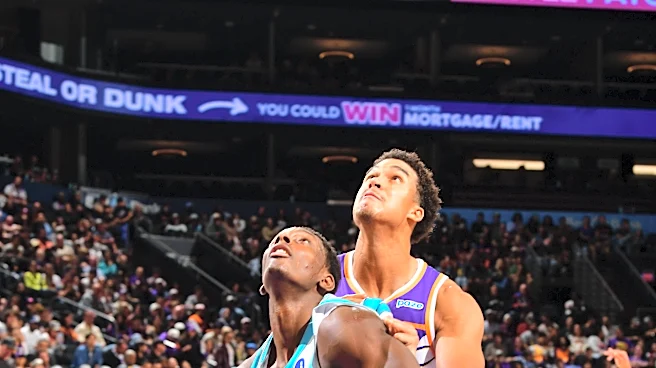
The Suns rank dead last in the NBA in rebounds per game, averaging a miserable 38.9. That’s a full 10 rebounds fewer than the Minnesota Timberwolves, who lead the league at 48.9 per game. Phoenix also ranks 30th in rebounding percentage at 45.2%, meaning opponents are consistently winning the battle for available rebounds.
When you begin examining how that translates into actual points, the situation becomes even more alarming. The Suns surrender 18.1 second-chance points per game, the second most in the league. Meanwhile, they’re generating only 12.8 second-chance points themselves, the second fewest. So not only are opponents getting additional opportunities to score, but Phoenix is failing to create those same opportunities on the other end. That’s a pretty brutal combination.
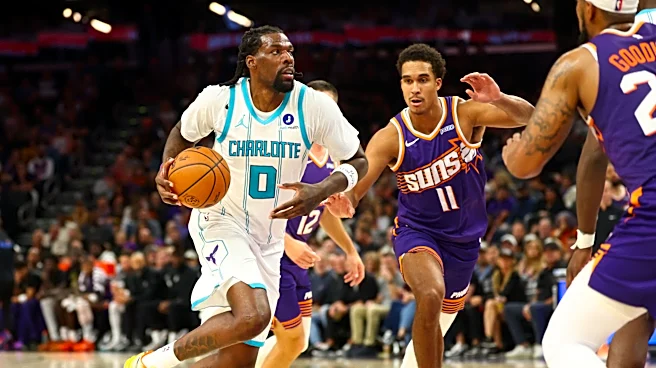
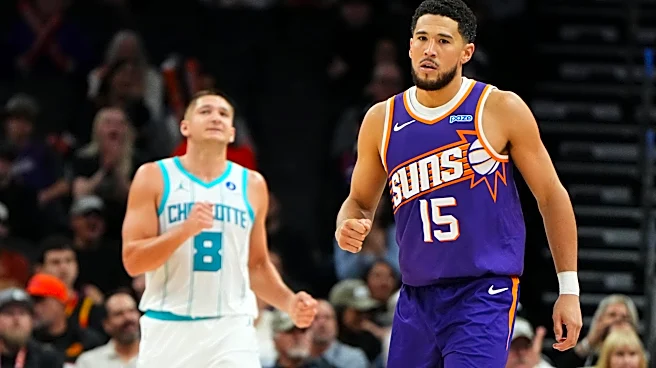
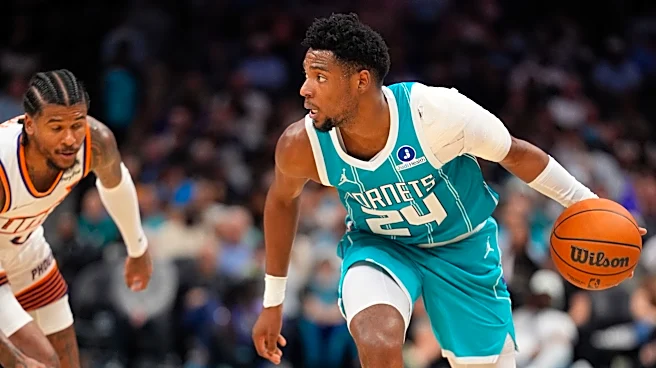
If you need a recent example of how dire the situation has become, look no further than Thursday night’s victory over Charlotte. Oso Ighodaro and Khaman Maluach, two of the players Phoenix relies upon to provide some semblance of interior presence, combined for five rebounds. In a game where the Suns were outrebounded by 21.
Shall I go on?
No matter how you slice it, this is a five-alarm fire for a team attempting to establish itself as a legitimate competitor in the Western Conference. Much like speed, size can’t be taught. You can preach positioning, emphasize boxing out, and demand greater effort on the glass, but there’s only so much coaching can accomplish when your roster consistently finds itself at a physical disadvantage.
The most deflating aspect of this deficiency is how it impacts both ends of the floor. Defensively, the Suns can execute an entire possession correctly, rotate effectively, contest shots, and force opponents into difficult attempts. But if they can’t secure the rebound, all that work becomes meaningless. The possession continues, the defense has to scramble again, and another opportunity is handed to the opposition. You cannot consistently give NBA teams extra possessions and expect to win basketball games. It places an enormous burden on your defense, especially when you’re already asking players to compensate for a lack of size and interior physicality.
And offensively, the inability to consistently attack and finish around the basket creates an entirely different set of problems. When opposing defenses don’t have to respect your ability to penetrate and score at the rim, they can become more aggressive on the perimeter. They can close out harder, pressure ball handlers, and force you into difficult jump shots because they aren’t particularly concerned about what happens if you get past the initial defender. Perhaps that also helps explain why Phoenix is averaging the second-fewest free throw attempts per game in the NBA. They’re not getting to the rack.
It’s an unsustainable combination of deficiencies, particularly for a team that doesn’t possess the overwhelming offensive firepower to compensate for them. The Suns can survive a difficult schedule. They can work through the growing pains associated with integrating new players. They can experiment with rotations, redefine responsibilities, and hope that chemistry improves as the season progresses. But how exactly do you overcome being one of the worst teams in basketball at attacking the rim, rebounding the basketball, and preventing opponents from generating second-chance opportunities?
That’s a much more difficult question to answer. And right now, I’m not sure the Phoenix Suns have one.
I’m trying to find a little optimism in all of this. The Suns are 5-6, they’ve played one of the toughest schedules in the league, and they have plenty of areas that need improvement. But we’re still early enough in the season for adjustments to matter. Jalen Green can find his footing. Miles Bridges can become more comfortable in his role. The coaching staff can experiment with lineups and find better ways to generate opportunities around the basket.
None of that is guaranteed to solve the rebounding problem, and the lack of size remains a legitimate concern. But this team doesn’t need to become a dominant interior force overnight. It needs to become more competitive in the areas that are currently costing it possessions and points. If Phoenix can make even modest progress there, there’s still plenty of season left to build something worthwhile. The problems are real, but so is the opportunity to get better.