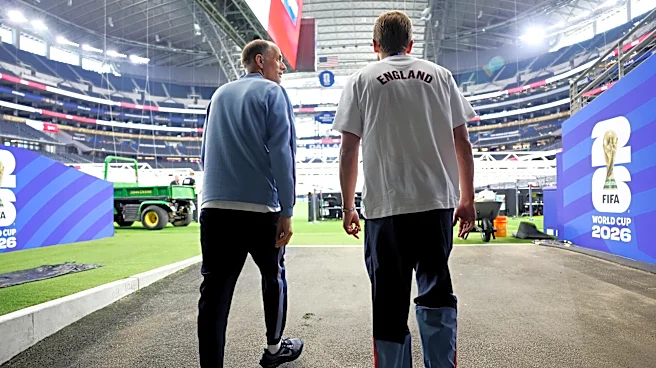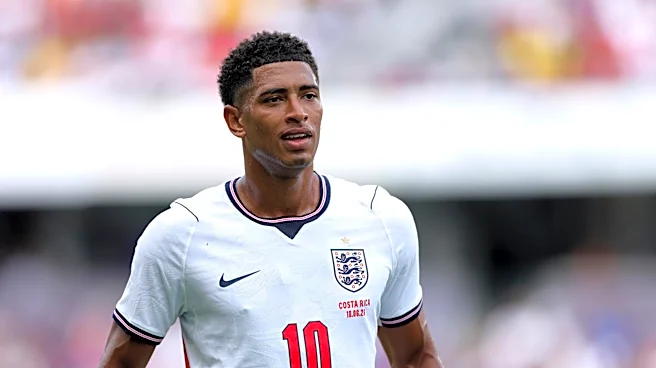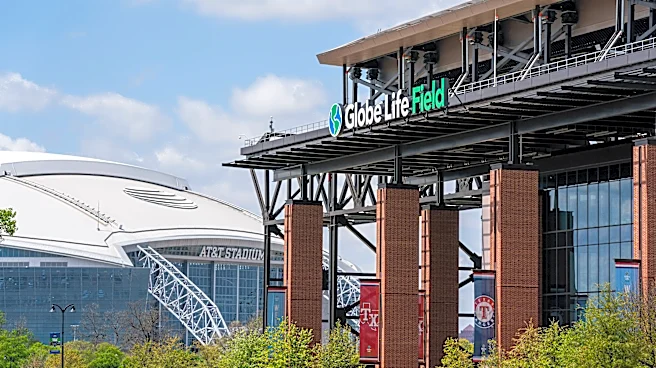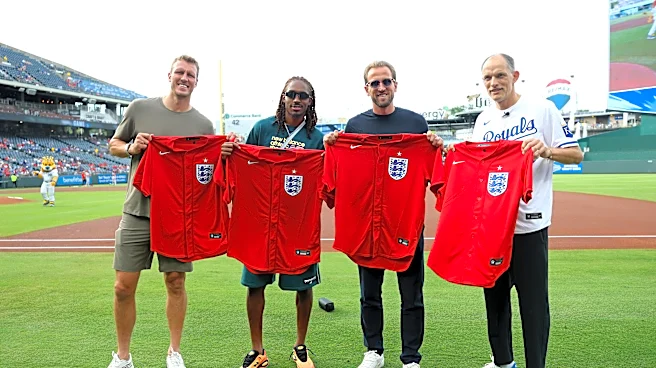

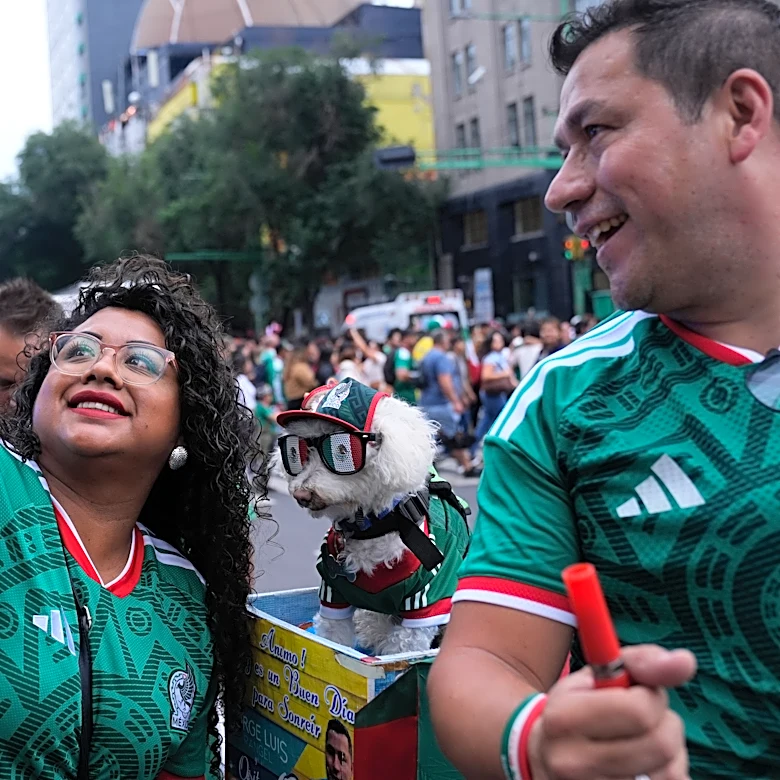


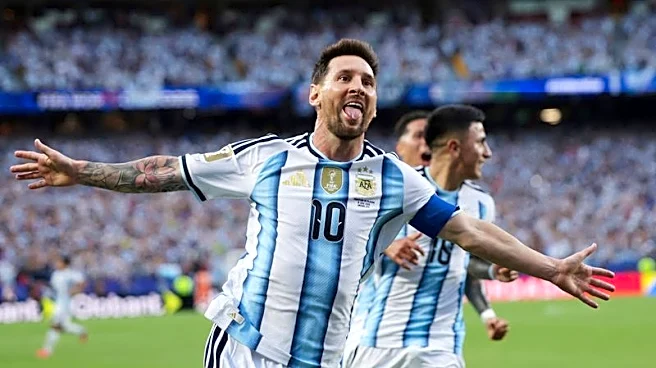


At The Star, Pete Grathoff talked about England’s World Cup team visiting Kauffman Stadium yesterday. I know the tenses are all wrong because this happened yesterday but the story also came out yesterday and I led off with it because it dovetails nicely with OT.
The Royals said England’s squad will be meeting with the Kansas City players and taking part in pre-game festivities. That could include an on-field moment … but throwing out a ceremonial first pitch would be a foreign feeling for the Brits,
because only goalkeepers like Jordan Pickford can use their hands, right?
I was scratching my head as to why the Royals traded for Randy Dobnak (and also Connor Seabold). Jaylon Thompson tries to shed some light on the move:
Currently, the Royals have three starters on the injured list. Royals All-Stars Cole Ragans (elbow), Seth Lugo (concussion) and Kris Bubic (elbow) have each missed time. It’s led to the club relying on young pitchers to fill the void. In recent weeks, Stephen Kolek and Luinder Avila have stepped up. However, the Royals still need starting depth until their stars can return. Dobnak has experience as a starter and reliever.
On the positive side of the pitching ledger, he also writes about John Schreiber’s changes this season:
In recent weeks, Schreiber went back to the drawing board. He found he needed to straighten out his body on the mound. This required having a more vertical base before dropping to his three-quarter throwing motion. The change would — in theory — alleviate the continued pounding on his knee.
“I felt really good about what (changes) I made,” Schreiber said. “You know, I’m kind of standing a little bit more tall now and not flexing that knee as much on the landing. (I’m) putting myself in a better position to compete out there.”
The Royals agreed with the change. However, they didn’t want him to lose his explosiveness. So the club looked to find the middle ground. “We don’t want to lessen that impact,” Sweeney said. “That impact is important because once he hits the ground, that force comes back up his body and out of his hand. So we don’t want to lose that, we just want to do it more efficiently.”
At MLB, Anne Rogers writes about Caglianone getting more time at first base with Pasquantino hurt:
With Vinnie Pasquantino’s hamate bone fracture and surgery, which will sideline him until at least July, the Royals have a void at first base, and Caglianone will likely get the majority of reps there. That moves Caglianone back to the position he played in college (when he wasn’t pitching) and in his short time in the Minor Leagues before the Royals moved him to right field in anticipation of his big league debut.
“I’ve been playing first base for so long that it feels like muscle memory,” Caglianone said. “It doesn’t really go away, and it hasn’t really been that long since I’ve played there consistently.”
It won’t be every day, as we saw Monday against the Nationals with Caglianone in right field and Salvador Perez at first base. Nick Loftin can be part of the first base mix, too. The catching rotation between Perez and Carter Jensen will have a direct impact on first base; when Perez isn’t catching, he’ll play first or be the designated hitter. Giving guys days off, either at DH or the full game out of the lineup, will factor into how the Royals align their defense, too.
Blog time!
David Lesky ($) and Craig Brown wrote about Wednesday’s game.
At Royals Keep, Kevin O’Brien pens “Five Reasons Why the I-70 Series Matters to Royals Fans”
The 1985 World Series is Something Royals Fans Can Hold Over Cardinals Fans
The Cardinals have more World Series titles as a franchise, with 11 compared to the Royals’ 2 (though the Royals have a more recent World Series title than the Cardinals; St. Louis’ last World Series title was in 2011).
That said, in the one World Series matchup between the two Missouri teams, the Royals won in seven games. That win was the first title for the Royals in franchise history after they fell short in the 1980 World Series against the Phillies.
Blog Roundup:
- Mike Gillespie at Royals Keep: How This Reliever Could Drive Royals Crazy At The Trade Deadline
- Cory Moen at Royals Keep: Four Players The Royals Could Move If They Sell At Trade Deadline
- Darin Watson at U.L.’s Toothpick: This Date In Royals History–1976 Edition: June 18 – Got a makeshift defensive lineup? How about some strikeouts and caught stealings instead?
- Caleb Moody at KOK: Royals’ terrible injury luck may’ve unearthed lineup’s ultimate secret weapon
- Also, Caleb Moody at KOK: Royals’ trade for ex-Twins mainstay puts much needed pressure on several skeptical relievers
- Parker Buchele at KC Kingdom: Royals recent hot streak was just fool’s gold amid ongoing slump
- Patrick Glancy at Powder Blue Nostalgia: AL Notes: June 17, 2026 – Samurais, Fallen Royalty, and Urgent Care
There was a flurry of MLB news, so it gets its own section today.
MLB is back to mucking with the Home Run Derby again. I thought the recent round format was pretty good. They just needed to keep tweaking the bracket a little. But, nope, per Evan Drellich and Johnny Flores Jr. at The Athletic ($), we’re going back to pitch counts instead of a clock:
Major League Baseball’s Home Run Derby will put a new twist on an old format next month. Hitters will have a number of swings rather than a clock that dictates their turns at the plate, people briefed on the decision who were not authorized to speak publicly told The Athletic on Wednesday. The last time the Home Run Derby operated without a clock was 2014.
The competitors will receive 20 swings in the first round and 15 in both of the final two rounds. In an added wrinkle, hitters will be able to continue to swing if they homer on the final hack they take each round, until they make an out.
That means that if a batter goes deep on the 20th pitch of the first round, he gets a chance to hit another. And if he hits a home run on No. 21, he can keep going until he finally swings and the ball doesn’t leave the park.
I’m disappointed with this. I don’t need to see a batter watch 10 decent pitches go by before he swings and drag this thing out to 3 hours again.
Speaking of The Athletic ($), they have a number of stories about the impending (ongoing?) labor battle.
Drellich is reporting that MLB wants to significantly change the draft:
The league is proposing both the domestic and international drafts would go 12 rounds, and that each draft would come with its own $200 million signing-bonus pool and hard slots, where an inflexible amount of money is tied to each pick. The current domestic draft lasts 20 rounds and does not have hard slots, which allows players to negotiate sums above or below the amounts assigned to their pick.
Domestic amateurs received about $402 million last year and international amateurs about $197 million, and this year again, teams will pay close to $600 million in combined bonuses. In Thursday’s proposal, the league is looking to reduce their overall outlay for amateurs by at least $200 million each year.
But, according to the union, the reduction in overall signing bonuses would be $400 million for the first year of the contract, because the league is proposing to skip an entire class of international amateur signings, with only six international drafts taking place during the league’s proposed seven-year agreement.
That seems about par for the course with these sort of proposals: something that could be simple made more complicated to try and screw one side out of more money. Also, MLB is proposing raising the draft age for domestic players to 20 and for international players to 18.
Here’s a link to Jeff Passan’s story about it on ESPN.
The Athletic also surveyed fans (story by Stephen J. Nesbitt) and players (story by Sam Blum)
From the fans:
We received 8,500 responses to our fan survey about the MLB-MLBPA labor negotiations. A pattern that emerged was that while many believe the league lacks competitive balance, there isn’t consensus support for the league’s solution of a hard cap.
In the players’ survey, 80 of 100 players thought there would be a lockout.
At MLB Trade Rumors, Zack Scott is writing up his own proposal. Part 1 is here. Part 2 was yesterday and one of the proposals to balance what the players give up involves money going back into the game when a team is sold:
So the owners’ payment has to be real, and it should come from where the real money is, the sale. The biggest return on a baseball team comes when it sells, and annual operating profit is small next to the gain on the franchise itself. Put a 10% levy on the net capital gain at any change of franchise control, with the base set as sale price minus the original purchase price and league-audited improvements. Trigger it on outright sales, partial sales above 5% of equity, recapitalizations that shift control, and any public offering. Close the workarounds with a five-year look-back on related-party transfers like RSN spinouts or real-estate carve-outs, and an independent league valuation any time the buyer is connected to the seller. The Padres’ reported $3.9 billion sale, against the group’s roughly $800 million basis from 2012, is a gain of about $3.1 billion, and a 10% levy comes to roughly $310 million from one transaction. Across the 5 to 10 control changes that happen each decade, the aggregate runs into the billions.
The owners will never agree to it, but I like it.
I’ve been on a bit of a sports bucket list kick of late. In the last month, we’ve talked about the LA28 Olympics and the Indianapolis 500. I never wrote about the WBC, but I should have. We went to three games in Houston and it was a blast! With the Royals comfortably out of contention (I think I can safely write this on Monday and it still be true on Friday), the big sporting event on everyone’s mind right now is the FIFA World Cup. I had something else scheduled today. But I started writing this last week, and it feels topical, particularly with Team USA’s good showing last week and a match coming up tomorrow.
* * * * *
If you want to keep with the feel-good story, you might want to skip the first two sections.
I feel obligated to start this much as I did with the Olympics story, talking about how awful the organization is. FIFA is one of the large organizations in the world that’s even more corrupt than the IOC. I mean, where do you even start? When your org’s Wikipedia page has multiple sub-headers under a “Corruption” header, that’s not great. Just like the IOC, they see huge dollar signs when looking at an event in the United States. They plan to make more than $11B in profit from this World Cup cycle, mostly on the backs of their fans.
If it were just a “tax” on their fans, it would be more forgivable. But they’re /also/ screwing over the cities and pocketing all the money for themselves (NSFW language):
Of course, the cities sign up for it. Chicago said “no”. Let’s be honest: that’s probably why Kansas City was able to get in on it.
Then they actively screwed the cities that did get awarded. FIFA reserved thousands of rooms in Kansas City hotels. When their false demand never materialized, they cancelled:
FIFA’s 5,000 rooms per night would have been significant. To put that into perspective, that amounts to nearly 14% of the 36,000-plus hotel rooms in the Kansas City metro each night…
But as the event drew closer, FIFA canceled the majority of those reservations — leaving local hotel managers to scramble to fill rooms this summer that they had hoped were already spoken for…
FIFA also didn’t have to compensate the hotels for the cancellations. Wolters said that’s not normally the case for organizations reserving blocks of rooms for large events in Kansas City.
They claimed “those rooms were meant for FIFA’s visiting staff, business partners and international dignitaries”. Uh-huh. They definitely weren’t reserved to create artificial demand or unsold inventory of rooms they were hoping to mark up and resell as part of hospitality packages.
Speaking of taxes on fans and slimy reselling, this is the first World Cup to use dynamic pricing. In some ways, it’s more fair. As much as I dislike FIFA, I’d rather they make the money (I think I just threw up in my mouth a little) on the games as opposed to resellers.
Of course, one of the ways to make even more money is to lie about your ticket supply.
If you’ll remember my musings on the IOC and their misleading statements a couple of weeks ago, this sort of nonsense will sound all too familiar:
In January, FIFA said it received more than 500 million requests to buy tickets for the tournament during its month-long application window, which opened after December’s World Cup draw and allowed fans to choose specific matches. Not long after, FIFA president Gianni Infantino said “every match is already sold out” — a claim quickly walked back by the sport’s governing body.
FIFA has held some tickets back for the most in-demand games which has the effect of creating an illusion of scarcity. For some matches, such scarcity will certainly exist. Mexico’s 2-0 win over South Africa, for example, was played in front of a sell-out crowd in Mexico City — and judging by the atmosphere around the city and stadium, they may have been able to entice twice as many people to attend. For other fixtures, like South Korea’s win over the Czech Republic in Guadalajara, the anticipation may not be so high.
According to reporting by The Athletic, as of last Sunday night, there were listings of around 10,000 tickets to the United States’ opening game against Paraguay on various resale sites — 5,311 on FIFA’s resale platform, around 3,000 on SeatGeek, roughly 2,000 on Ticketmaster, several hundred on StubHub and more elsewhere.
Hilariously, for the aforementioned South Korea/Czech Republic game, FIFA claimed, checks notes – it was because people were in the concourses rather than their seats:
“Please note that, during last night’s match in Guadalajara, several ticketed fans could be seen standing in concourses rather than staying in their assigned seats throughout the match,” the governing body of world soccer said.
Riiiiiiiiight.
A second way to make more money is to lie about your ticketing categories. For much of the process, you didn’t have the option to purchase individual seats. You had to purchase a “category” and hope your tickets were the good seats within the giant category of thousands of seats. This feels even more shady when you introduce new sections within your sections (i.e. if you had a category 1 ticket, you were never getting the good Category 1 seats – those were later sold for a premium as “Front Category”).
Going from shady to (likely?) downright illegal is that FIFA actually changed what sections of the stadiums were in each Category after people had purchased their tickets:
In a statement to CBS News Texas, a spokesperson for FIFA said, “These maps were designed to provide guidance rather than the exact seat layout.” They said the maps were later updated as fan sections were organized and seats finalized.
Wait, what?!? They finalized the maps /after/ selling tickets?!? I can’t type what I really think about that here, but it involves cow manure. No lawyer wants to get in front of a judge and try to sell the idea that these maps were “guidance”. I doubt anything will seriously happen, but it’s so bad that our (extremely crooked) Attorney General of Texas is on the same side as the AGs from New York, New Jersey, and California on this.
I could throw out this farce:
The proposed face value of tickets ranged between $21 to $323 (not including suites) for group-stage games. The final, again excluding suites, ranged from $128 to $1,550. To quote the bid proposal, “Prices have been projected based on those from historic FIFA World Cups and validated against comparable ticket prices within the host countries.”
The regular-ticket maximum is more than four times the price of Category 1 tickets to the 2022 World Cup final in Qatar, which cost $1,605. (Category 2 was $1,002, and Category 3 was $604.)…
The initial $6,730 maximum price for the final is not a hospitality ticket — those are already on sale, and range from $3,500 to $73,200 per person across the tournament.
You know? I’ve already wasted too many words talking about FIFA and its overall corruption. You get the idea. They’re dirty as all get out. But if you want to watch the World Cup, they’re the only game in town.
* * * * *
And this is where I come in. I was one of the suckers who willingly paid them.
Amusingly, folks on Reddit, talking about the Olympic ticket draws have compared the two, saying that the 2026 World Cup ticketing process helped them practice and become “battle tested” for the LA28 draw. For my World Cup seats, I took a more circuitous approach. To avoid the draws, I used FIFA Collect.
What is FIFA Collect, you ask? Remember those collectible sticker books? This is like the digital version of that. Only, instead of the cool insert being a glittery bordered card of Messi to stick in your dog-eared photo album, the inserts were a digital collectible called a “Right-To-Buy” (RTB).
Once you had that, you had a guaranteed right to buy a face value ticket. Here’s the catch (because, of course there’s a catch): FIFA sold tens of thousands of RTBs before they published the prices to tickets:
The May 2024 release was the first. There were more that fall. You could, for example, pay $699 for “a limited edition collectible that can be converted into a Right to Buy two tickets for a group phase match” at Hard Rock Stadium in Miami Gardens, Fla. The “Terms & Conditions” clarified: “Actual ticket prices and purchase process will be communicated separately. … The card does not provide free tickets; it only allows the right to purchase two tickets for the specified match.”
And, as noted above, the prices were far above what anyone expected. Which meant:
Exasperated fans who bought the “right to buy” 2026 World Cup tickets say that FIFA has forced them into an “unjust ultimatum”: gamble that opaque ticket prices will be affordable, or cut their losses and concede that they were “scammed.”
Mercifully, I missed out on the first phase of this NFT nonsense. I’m pretty sure I first heard about FIFA Collect when The Athletic was breaking these linked-to stories. A rational person would have read those stories and thought, “I should probably avoid a dirty organization using a scam-adjacent website to bilk people”. Instead, irrational me said “Hey, this looks like an opportunity”. (insert comedic pause for audience reaction)
In all honesty, it was a pretty decent time to get in. Ticket prices had already been published, but the ticket lottery had not taken place. People realized they had paid hundreds of dollars… for the right to pay hundreds more.
To add insult to injury, you had to convert your RTBs (or resell them) before the World Cup draw. Customers had no idea which teams would be playing. Sure, they knew they had access to Match 65 in Houston. But who was playing in it? You had already spent $400 on an RTB: Do you want to spend another $400 to watch Congo v Uzbekistan? Or cut your losses and offload those RTBs, saving the cash to buy tickets in the lottery once the draw has taken place?
Finally, the RTB draws were a lot like the Olympic draws. I never saw any of the cheap Category 4 tickets available and only a few Category 3s. If you had an RTB, you were almost certainly locked into the expensive Category 2 and 1 tickets. Of course, they didn’t inform customers of this until after the RTB conversion deadline.
In short, customers were forced, over and over, to make decisions with incomplete information and hope FIFA was acting fairly in the marketplace. Hah!
In the end, people had soured on RTBs so much that I was able to pick up 4 RTBs for Match 10 for about $150. Is that a lot of money for nothing? Yes. Well, not exactly. I was able to pay $40 per ticket to avoid the ticket lottery and be guaranteed a seat. That was worth it to me. I didn’t know who was playing, but I knew that Match 10 was on a Sunday afternoon in Houston and that was good enough for me. I then used my RTBs to buy 4 Right-to-Tickets (RTTs) in Category 1. This was not cheap, but, like the Olympics, this had been on my bucket list for years. I saved up for it and, since it was in my hometown, I wouldn’t incur any other travel expenses.
Other fun difficulties?
- Did I mention that I couldn’t just use a credit card to buy them? I had to create a digital wallet on a site like Coinbase. Then I had to pay them money for USD stablecoins rather than just, you know, use a Visa like everyone else?
- There was also a weird “burn your collectible” process where you weren’t really sure if you were supposed to do it or not. It was supposed to convert your RTB to RTT, but it was unclear so you were worried that thing you had just spent hundreds on might just be a worthless NFT.
- When I used my RTB to buy the Category tickets, Chase flagged my purchase for fraud and voided the transaction. Fortunately, I was able to fix that with a phone call before the conversion window closed.
So, in short, I had to take real money and convert it to digital currency. That allowed me to buy the right to pay for seats. Not the seats, just the chance to buy seats at an exorbitant price. What teams? No idea! And I was one of the lucky ones, paying rock-bottom prices for the RTB because they finally released how much seats would cost. Between this and the Olympics post, kindof sucks some of the fun out of the events, doesn’t it?
Then the waiting started…
In December, the draw happened. I found out my tickets were for Germany vs Curaçao. It probably wouldn’t be a competitive game, but it would feature an elite team. There’s a bit of luck.
Multiple ticket lotteries came and went. In early April, seating assignments were handed out for regular ticket buyers (with a healthy dose of FIFA fuc— fairness)
The most prevalent gripe among fans who spoke with or contacted The Athletic, though, was that nobody, nor their friends, could find any Category 1 ticket buyers who’d actually been assigned lower-level sideline seats to popular matches. The maps shown to ticket buyers suggested that these seats were within the range of possibilities. But fans began to theorize that FIFA had blocked them off for corporate partners, VIPs, hospitality or last-minute sales…
On FIFA’s resale site, although nearly 2,000 tickets were listed in total as of Friday, not a single ticket was available along the sidelines in the 100, 200 or 300 levels.
Back to our problems from above: no one really had a chance at the good seats. Well, except… “Separately, throughout 2025 and 2026, FIFA has been selling hospitality tickets that appear to be in those 100- and 200-level sections, some for upwards of $6,000”.
Except for us. The FIFA Collect crowd still had to wait. As noted above, FIFA had set up its official marketplace (where it took a 30% cut on all tickets sold). No matter. It was later clarified that once you convert your RTT to a ticket, you can’t resell RTT tickets on the FIFA Marketplace anyway (though RTTs have their own loose marketplace).
Details were scant. The FAQ was vague. I believe we had a question on the ever-changing FAQ page that said conversion would take place in the May timeframe.
- On April 27th, we received an email that started “we are less than 50 days away…” and mentioned a mid-May conversion portal
- On May 22nd, we received an email stating, “The conversion window will open next week”
- On May 27th, after a couple more rounds of “last-minute sales” by FIFA, we were able to convert our RTTs into a ticket request. These were not seats, however – this was just the promise that our RTTs were being converted
- Reminder: the World Cup starts June 11th
- Finally, on June 5th, people who had purchased RTTs for Match 1-9 started receiving their tickets. People may have already begun traveling without certainty that they had a ticket.
- Of course, I was waiting for tickets for Match 10. Those weren’t released until June 9th… for my game on June 13th.
Contributing to the nervousness was the general unprofessionalness of the whole thing. Huge chunks of the website seemed to be developed on the fly. It really felt like the site was developed by a couple of guys to collect information from buyers, send a spreadsheet over to FIFA, and ask “Can we get more tickets, please, sir”. Word on the street (read: Reddit) was that FIFA Collect help requests never got a response in a timely fashion. There was a FIFA Collect Discord, but the admins were rarely there. And when they were, they would say things like “don’t plan” while pretending to be victims, saying they won’t release details because the crowd there was “energy vampires”.
Throughout all this, I never thought I wouldn’t get tickets. FIFA was advertising this on their website, so it was legitimate(-ish). But I was worried that I was locked into bad seats and I would have no recourse or no ability to upgrade. And I would have long since missed any chance to make changes. Especially considering all the bad that had already come out from FIFA and the ticketing process.
On June 9th, when they started releasing the tickets for my match, I kept refreshing the FIFA ticketing app. For me, there was a happy ending to the story. The FIFA Collect crowd got mediocre seats for a number of cities. But, for a couple of sites, notably Dallas and, lucky me, Houston – we got prime seats to some of the games. Our 4 seats were in section 124. We were basically at the 25-yard line and 20 rows up. This is the closest image I could find to our tickets on “A View from my Seat”. We got very lucky and that made the trouble worth it*.
*I don’t think I’d be singing the same tune if I were the guy on the Discord who claimed to get 300-level corner seats to Saudi Arabia-Cabo Verde.
* * * * *
But let’s wash those three thousand dreary words out of our mouths and talk about the gameday experience.
I think you guys have read enough of my writing to know how I feel about Houston. I’ve lived a long time in Houston and it’s my home. However, I’ve lived in other places long enough to know we’re far from perfect. If I’m perfectly honest, people don’t often come to Houston; they end up in Houston. But I do appreciate all the goods along with the bads. We’re a melting pot with a tremendous food scene. We have the largest medical center in the world in a state with an, ahem, dubious view of science. We have a low cost of living offset partially because our city is endless miles of ugly concrete. We’re a bunch of wannabe cowboy rule benders because nature doesn’t want us to exist.
I think back to Grant Brisbee’s accurate description of backpacks when he wrote about the 2017 Astros and Hurricane Harvey:
There’s no reason this city should exist. It’s hot and sticky. It’s where the kids invented the trend of wearing backpacks with one strap, because wearing them the way they’re intended will make the backpack squish-meld into your skin through your shirt. It’s hot and sticky, and calamity will occasionally shoot from a fire hose out of the Gulf of Mexico. Why is this place here?
To add to that: Houston has horrible logistics. Anyone who has been here knows that. FIFA directs people towards mass transit, but ours is woefully inadequate. For the 5th largest metro area in the country, approaching a metropolitan population of 8M, we only have a tiny toy train for mass transit. It covers only a very limited area – only a portion of the innermost loop of the city, and no lines to either airport. It also has tiny cars and low ridership, coming in below Minneapolis and Salt Lake City (1.3M metro!). Face it: Houston is an oil city inside a state that prides itself on an ethos of rugged individualism (read: moralized selfishness), so it takes longer than it should to efficiently do anything.
That said, having lived in the state more than 30 years and having been to large events here, I knew what to expect. The stadium opened at 9 AM for a noon game. We got stuck in a half hour of needlessly inefficient traffic around the park-and-ride, got on the train, rode 1 stop, and went into the stadium. Spoiler: leaving the stadium was equally “pleasant” – about an hour and a half for something that should have taken half that.
Visitors to the city were treated to typical early summer Houston weather. It was raining much of the morning on our drive in and we’re supposed to get 5″ this week. However, by the time we got through the traffic mess, onto the train, and off the train, the sun was out and so was the humidity. It was in the upper 80s with 75% humidity and intense Texas summer sun. Welcome to the swamp, everyone!
I suppose that was better than visitors for the Portugal/Congo DR match on Wednesday, who got to see Tropical Storm Arthur’s brief existence.
When we got there, we tried to go to the Fan Experience Zone outside the stadium. I’ve been to stuff like this before the Final Four. You wait in line for a few minutes and play a goofy game in exchange for heavily licensed swag. In this case, there was an attempt made by organizers, but there was too much crowd and not enough stuff to do so the lines backed way up. With the weather, we walked around for about 15 minutes and then went into the over AC’d stadium.
This is not to be confused with the Fan Fest stuff downtown. The football stadium isn’t downtown – it’s a good 7 miles or so from downtown, where the Fan Fest is, so the activities are not connected at all. We haven’t had a chance to go check this out yet, but I’d like to. The Democratic Republic of Congo has a base camp near here. I haven’t been able to find out whether those practices are open to the public, though.
* * * * *
Inside the stadium, you’re reminded just how great an event like this can be. In short, for all of our failings, people can be awesome.
There have been a ton of fun stories around the World Cup. I think most people have seen how Lawrence has warmly and Midwesternly adopted the Algerian team. I really want to believe there’s a random German guy named Freddy doing an American road trip with a pair of buds and he did enough homework about the USA to know that talking up Waffle House, Buc-ee’s, and Whataburger will generate some buzz online. But then people got so excited by his infectious enthusiasm and shared our country with him that he’s suddenly getting closed-door tours for the Saints and Pelicans, JJ Watt is setting them up in a $ 100K-per-night hotel room, and NASA is having them FaceTime the ISS while doing a private tour (and that it’s not just yet another slimy viral marketing campaign of some sort).
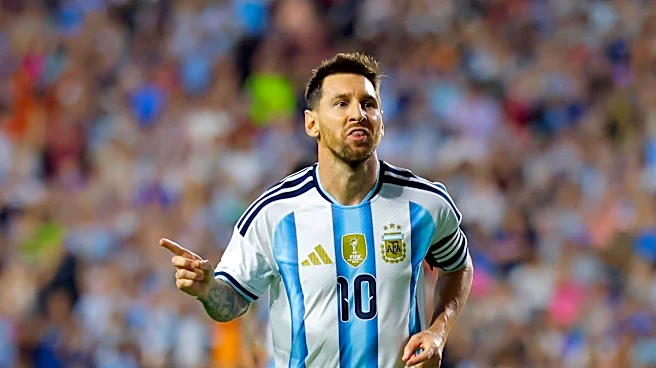
And this is to say nothing of the teams on the field like Cinderella Cape Verde? How about Messi polishing up his GOAT resume with a hat trick in the opening game to tie the World Cup record? It sure doesn’t hurt enthusiasm when the USMNT scored the most goals ever in their first game. Considering all the chaos and negativity leading up to the World Cup, CNN accurately said “the matches have arrived just in time… [for a] vibe shift”. That’s what all of this is about – for all of our imperfections, there are so many wonderful moments with so many people.
On our way off the train, we were talking to two guys from Curaçao. One of them said they had more than eight thousand fans flown up for the game. I believe it! There were two huge supporter sections: one behind a goal and another at the 50-yard line. There were tons of fans from Latin and South America. Mexico and Colombia were particularly well represented. There were also a lot of locals, Houstonians like us who were excited for a major event in our city, a chance to show off to the world. In our (awesome) section, we had a mix of fans around us: some Germany, some Curaçao, some Mexico, some Texas, and so on. But that’s Houston.
As the fans next to us were settling in, I had an exchange with a mom in an El Tri jersey. I tried to ask her something, but she was embarrassed to admit “No hablo ingles”. Having to dig into the deep recesses of my high school brain, I sputtered out something that sounded mostly like “Espanol un poquito”. She instantly relaxed and there was a simple understanding that transcends language – we’re both here to share in an experience and enjoy this game with our families.
For a little bookkeeping, here’s what else I remember of the pre-game. We paid too much for a little stadium food, as I think it was even more than NFL prices (in KC, it was). The lines for the FIFA shops were insanely long and I’m content to shop online if I want any souvenirs. The USA national anthem was an hour before the game but then it was just more warming up. The rest of the pomp and circumstance didn’t start until less than half an hour before noon. Then there was all the stuff you see on TV: the arches, the lineups, the teams coming out with kids, the giant flags – all of that was fun and gave the game a sense of occasion.
* * * * *
Truth be told, I’m not a big soccer guy. After all, I call it “soccer”, not “football”. I played it in middle and high school, but I’ve never been anything more than a casual fan. I’ve been to a couple of MLS games, including games in Kansas City and in Houston. I’ve even been to an international soccer match. It was one of those times when it felt like maybe the US was (maybe) ready to emerge on the world stage. They had a nice run at Copa America and, while they definitely weren’t favored, some thought they had a puncher’s chance against Argentina in the semis. Of course, the team saw its shadow again and got slapped down 4-0. But, hey, I saw Messi score a goal in person long before he came here to get old on MLS bucks. So that’s where these observations are coming from, soccer-wise.
Early on, Germany had control of the game. Look at the chart – they dominated possession and put one in the back of the net with only 6 minutes elapsed. It looked like the rout was on as they had more chances in the next 10 minutes. I believe, at one point in the first half, they had a 7-0 (!) corner kick advantage. We were up and down a lot in our seats during the game. It felt different than the MLS games I had been to. Maybe it was the World Cup atmosphere. Maybe it was the close seats. But I enjoyed getting up and down a bunch during the game for the highs and lows.
But then sports happened. Curaçao started getting pressure and, stunningly, Livano Comenencia scored the equalizer at 21’. The mood in the stadium shifted instantly. This wasn’t a 0-0 draw where the underdog had allied with Lady Luck and the clock to stop anything from happening. No, the Blue Wave had scored against the vaunted German defense! When the “pausa de hidratación” arrived, it was the Germans who needed to reset.
Suddenly, it had the feel of an opening round game in the NCAA tournament where the underdog was keeping it close. Germany still had more possession, but Curaçao was generating chances. Every neutral person in the crowd swung towards Curaçao. The El Tri crowd was /loud/ just like during the World Baseball Classic. The atmosphere in the building for those ten minutes was positively electric.
Sadly, however, it played out like most 1/16 games. Germany started to regain control around minute 30 and took the lead at 38’. As Curaçao was leaning towards the halftime tape, the Germans put in a back-breaking penalty kick in stoppage time.
Halftime featured the popular Houston Texans’ Mariachi group. But the Germans picked up where they left off, pouring in goals. Soon, we started getting those falls you see in the second half when players are tired. My drama kid called them “stage falls”. I made a joke about players being miraculously healed by “soccer Jesus” that got a big laugh from fans in front of me. The crowd was still fun and full of energy, even though the game was no longer in doubt. The final score was 7-1.
After the game, both teams walked around the field, soaking it all in and staying in front of the fans for cheers. That was fun and neat to stick around for. Again, these are just moments that don’t happen at very many sporting events.
* * * * *
While I had more negative words than positives, the overall experience was worth the expense and hassle. Maybe if certain luck doesn’t break my way, I don’t feel the same. However, I’d bet that in 20 years, I won’t remember many of the smaller annoyances, but I will remember the positives.
Infantino’s claim of this being “104 Super Bowls” was extravagant and stupid. They’re also unsurprising, as he’s a slimy crook who would spew hundreds of lies if it got him a dollar more in his pocket. But there is a sliver of truth as even the smaller group games are hugely significant to a lot of people.
My wife pointed out that I love these sort of things: the Olympics, the WBC, the Indy 500. The sense of occasion and the humanity from it can be awesome. Even if the method (FIFA) is flawed and broken, it’s a chance to bring people together. In a divided world, this opportunity to rally different people together is pretty neat.
Maybe I’ll see how low the Saudi Arabia/Cape Verde tickets get next week.
For our Song of the Day, I’d like to give a shout-out to Telemundo as I’ve been watching most of the games on there.
I may not know much Spanish and the closed captioning is too fast for me. But I understand their emotion so much more than Fox’s broadcasts. The Simpsons had this pegged 30 years ago. Their attitude carries over to them dunking on Fox for their Hydration Break commercials.
Also, I don’t have a cable package, but I do have an antenna. I don’t have to hunt for whether a game is on Fox or another station I don’t have like Fox Sports 1. If there’s a game on, it’s on Telemundo, channel 47-1.
I hope this timed embed works. If not, do yourself a favor and jump ahead to 6:39. As stated above, my Spanish is not good, but I think I made out “Gooooooool… de Cu-ra-zao! Livano Comenencia… Primer gol en la historia… Copa del Mundo!” That’s the stuff right there.