




By Fernando Kallas
NEW YORK, July 6 (Reuters) - Brazil's World Cup wound is open again and, for Cafu, the cure will not be found only in tactics, systems or another forensic search for scapegoats. It may begin with something far simpler: letting children kick a ball without feeling the weight of a nation on their small shoulders.
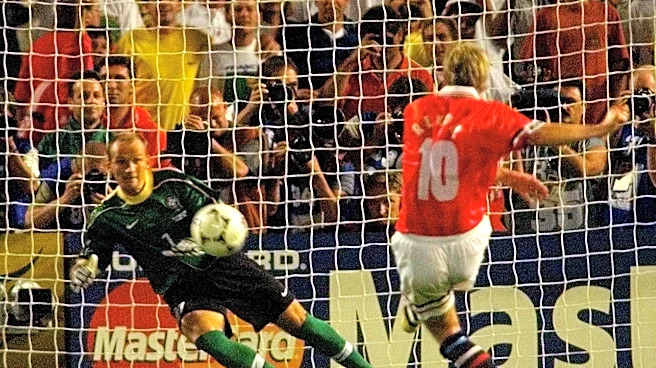
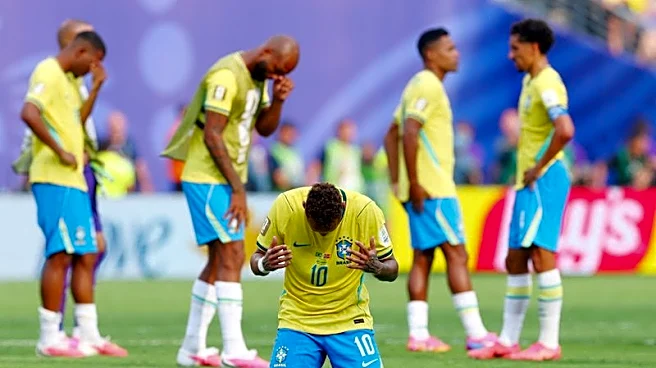
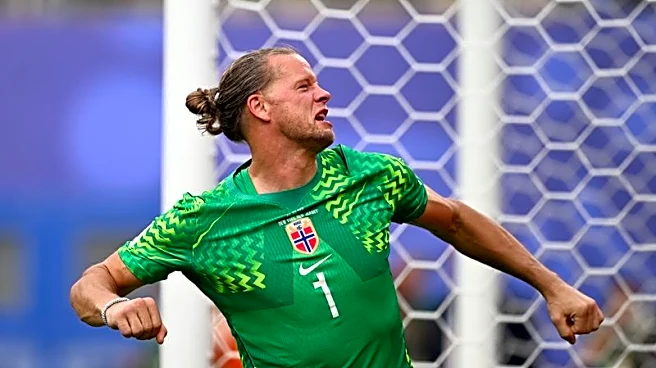
A day after Brazil's harrowing 2-1 loss to Norway in the last 16 at the New York/New Jersey stadium, where Erling Haaland scored twice to send the record five-times champions
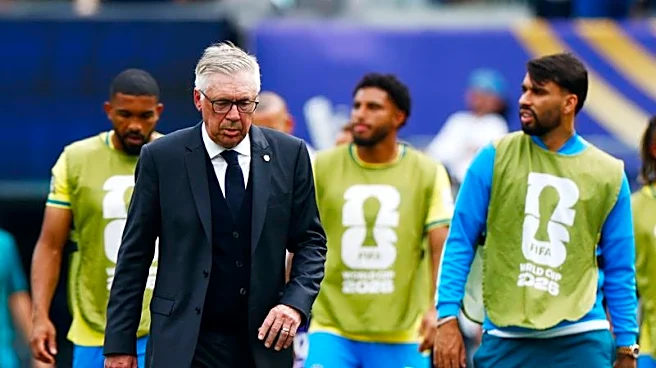
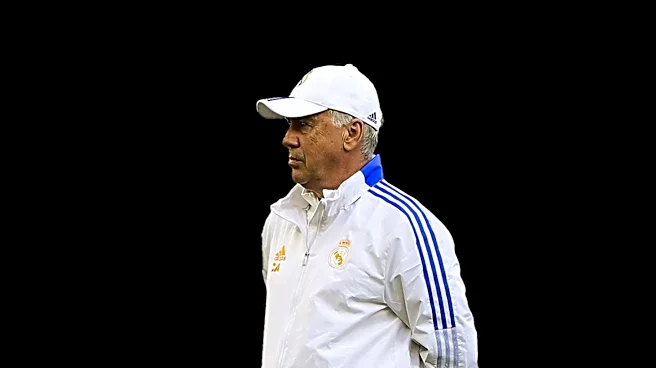
home, the captain of Brazil's 2002 World Cup-winning side said the country must trust coach Carlo Ancelotti with a proper four-year rebuild.
Brazil's wait for a sixth title will now stretch to at least 28 years, longer than any barren run in their history. Cafu, who was part of the 1994 squad that ended a 24-year drought, knows what that number does to a Brazilian shirt.
"Even greater," he told Reuters on Monday when asked what pressure awaited the next generation. "If there was pressure in '94 after 24 years, just imagine now in 2030, after 28 years."
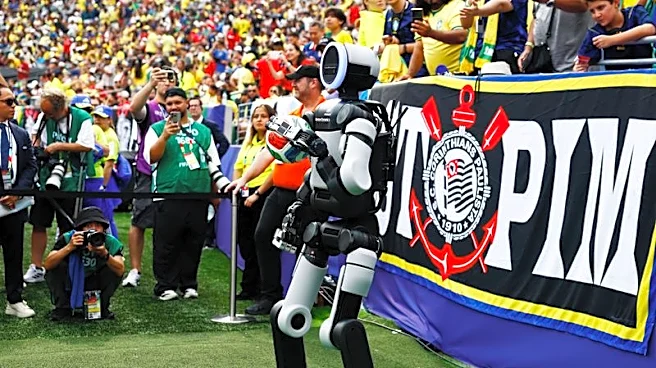
Responsible for unveiling an 8.47-metre-long LEGO sculpture of the World Cup, built from more than 1.36 million LEGO bricks, at Rockefeller Plaza in the heart of New York City on Monday, Cafu resisted resorting to hyperbole.
Brazil, he said, remain Brazil, judged by "the potential and the calibre of Brazilian football", which is precisely why patience will be so difficult and so necessary.
"It's not the end of the world," he said. "It's the start of a new cycle and a new generation, so we have to trust Carlo (Ancelotti) is the man to help Brazil win that title again."
ANCELOTTI INHERITED AN EMERGENCY
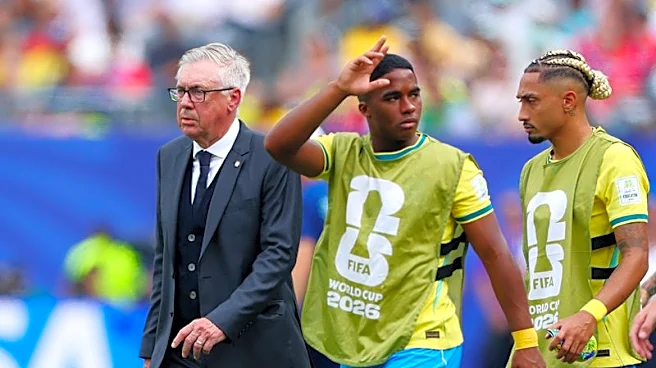
For Ancelotti, Cafu's former manager at AC Milan, that cycle begins with time, something Brazil's chaotic pursuit of the Italian did not afford him before this World Cup. After three caretaker managers and administrative turmoil, Cafu said Ancelotti inherited less a team than an emergency.
"Ancelotti came into this World Cup to put out a fire, really," Cafu said. "He took the reins of a ship that was already underway. He tried to right that ship mid-journey... but unfortunately he didn't succeed.
"Now he'll take the ship while it's docked and will be able to set it on its exact course."
But Cafu's deeper concern lies below the national team, in the academies and youth tournaments where Brazil's old sense of invention, he fears, is being squeezed by adult urgency. The country that once produced full backs who seemed to cover entire flanks with a smile is, in his view, muddling the job description.
"Youth teams aren't developing full-backs the way they should be," he said. "A full-back has to be a full-back; he has to work on the flank."
More broadly, Cafu believes Brazil have confused development with winning early.
"Today we're not developing players, we're developing competitors," he said. "When you set up a youth programme where you're obliged to win, you'll develop competitors; you won't develop proper athletes with creative freedom."
The romance of street football, he accepts, cannot simply be restored by nostalgia. His own memories belong to another Brazil: tarmac, bare feet, torn toenails.
"That's changed. It won't come back," he said. "Lucky were us who lived through that time, who lived through that era."
So the task is not to recreate the past, but to protect something of its spirit inside the modern game.
"Let children be children," Cafu said. "At eight, a child should be playing with a ball, laughing and having fun."
Then came the simplest coaching manual imaginable.
"It's like building with Lego," he said. "You put the pieces together one by one and enjoy yourself without even noticing you are developing a skill."
(Reporting by Fernando Kallas, editing by Ed Osmond)