
By Lori Ewing
MILAN, Feb 16 (Reuters) - For a nation deeply woven into the fabric of the Winter Olympics, the sight of Canada sitting 15th in the gold‑medal standings more than halfway through the Milano Cortina Games sparked concern back home that their campaign had yet to ignite.
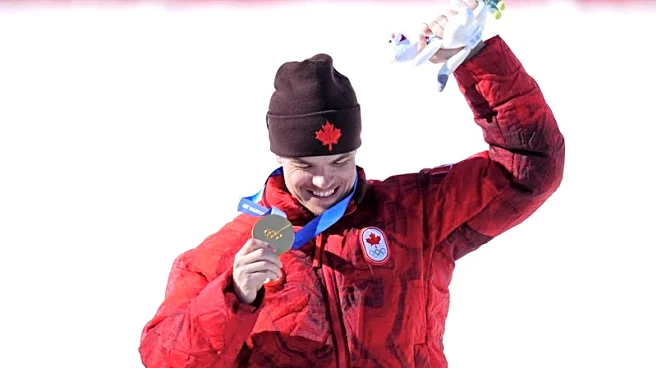
Long a giant of winter sport — from Vancouver's historic 14‑gold haul to decades of consistent podium finishes — Canada found itself still searching for its first top‑step moment before freestyle skiing great Mikael Kingsbury
won the dual moguls on Sunday.
That gold-medal wait was Canada's longest at a Winter Olympics since the Grenoble Games of 1968.
For David Shoemaker, the Canadian Olympic Committee's CEO, the breakthrough moment marked a shift in momentum.
"It's fair to say we're not accustomed to waiting this long for a gold medal," he told Reuters on Monday. "I got to congratulate (Kingsbury) and he remarked 'That's our first (gold), right?'
"And he sort of expressed the feeling we all shared - hopefully that's the first of several more to come. But there's a lot of medal opportunities left in this competition."
Canada has set itself a target of beating the 26 medals it won four years ago in Beijing. As of Monday morning it had nine, putting it 15th in the medal table in terms of golds and 10th in overall medals after 10 of 17 days.
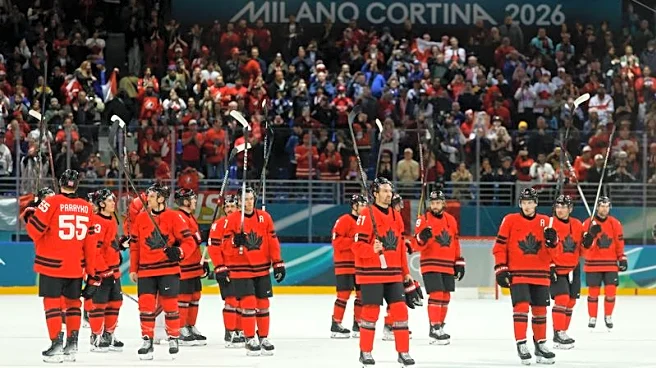
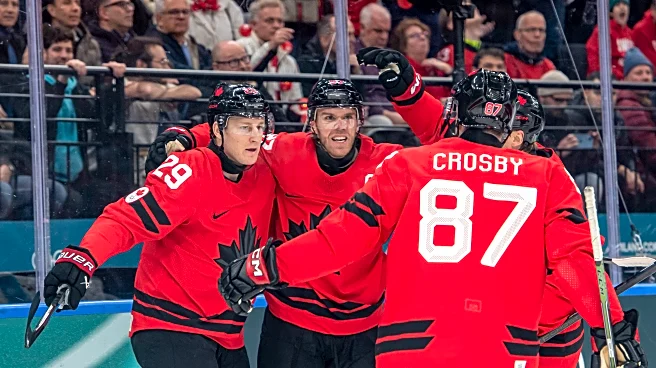
But Canada has long been known as a second‑week team, a delegation that finds its stride deeper into the Games, especially in sports such as men's and women's hockey.
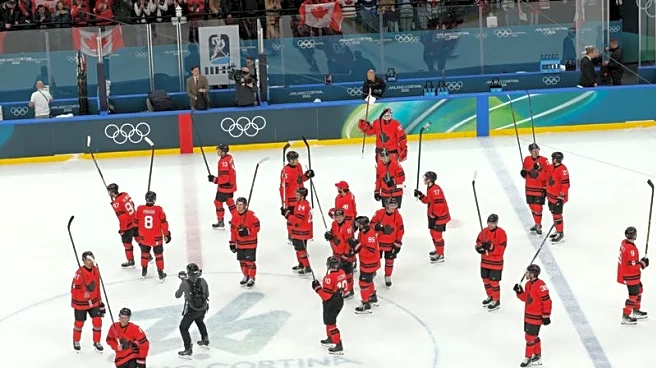
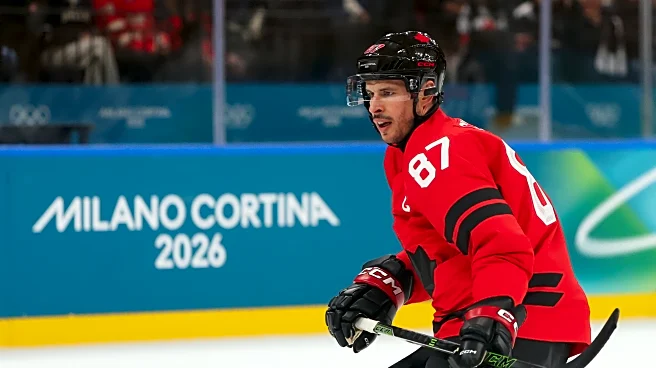
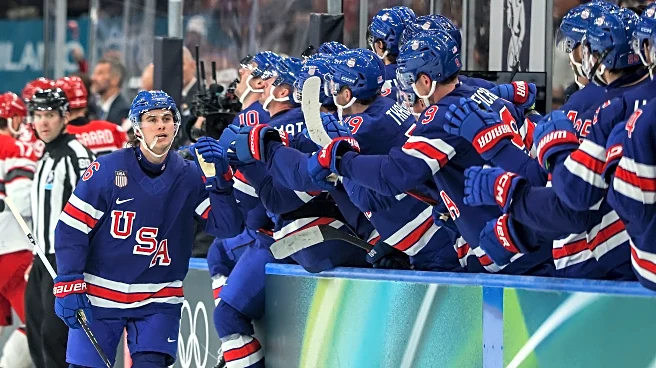
"No doubt that the attention of our nation is crystallizing around both our men's and women's hockey team, and so it should," Shoemaker said.
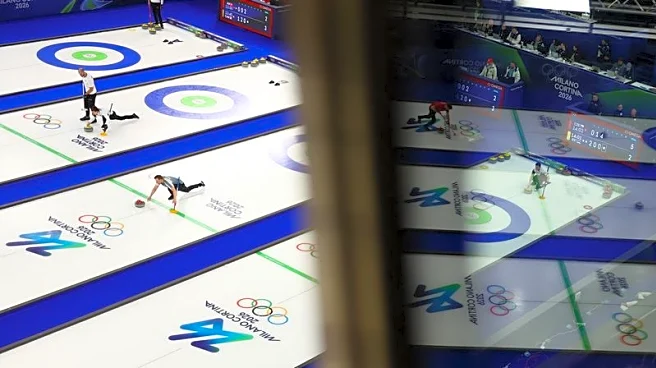
"But our medal hopes continue to be across the sports so there's still a lot of opportunity in short-track speed skating, certainly we look to our women's team pursuit in long-track, ski cross, snowboard, slopestyle, freeski, big air, curling."
Canada did have some near misses as well. Kingsbury's silver in moguls came down to a tiebreak for gold, while Eliot Grondin missed gold in men's snowboard cross by three-hundredths of a second.
Canada also suffered early injuries, with Mark McMorris, a triple Olympic snowboarding medallist, missing the big air event after a crash.
The Games featured early gold-medal breakthroughs for Brazil and Australia - countries not traditionally strong in winter sports.
"There are more countries that are taking the Winter Games seriously, and therefore it becomes more competitive," Shoemaker said. "So in an event like snowboard cross to see Britain win the mixed (team event), that's not something France was accustomed to seeing, or (other powerhouses) Switzerland or Germany or Canada."
"But from a movement standpoint, to see a Brazilian on top of the giant slalom, I think it's wonderful," he added. "I hope it doesn't come at our expense, but I think that's a good thing for the Olympic Games long-term."
Shoemaker is confident Canada will close the Games strong.
"We have a medal wall in all of our villages, and that allowed all of the 206 athletes to say, 'OK, now it's my turn,' and I heard that from several athletes who are still yet to compete, and saw that as their inspiration.
"Our team still feels incredibly confident and feels good about our chances in what's still to come."
(Reporting by Lori Ewing; Editing by Hugh Lawson)